
 EN
EN



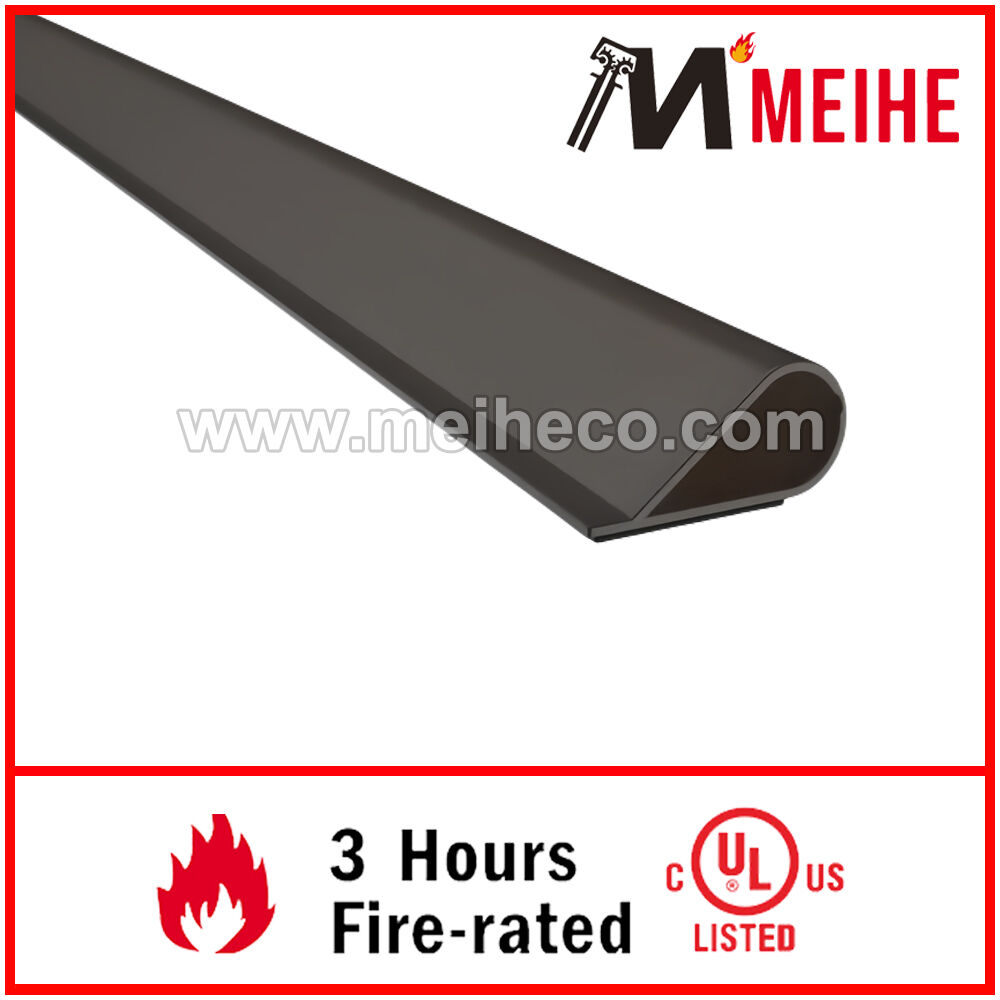
Door frames across residential, commercial, and industrial applications face constant challenges from weather infiltration, energy loss, and structural wear. Understanding which door frames benefit most from adhesive weatherstripping installation helps property owners make informed decisions about sealing solutions. This comprehensive guide examines the optimal applications for adhesive weatherstripping and identifies the door frame types that achieve maximum performance improvements through proper weatherproofing implementation.
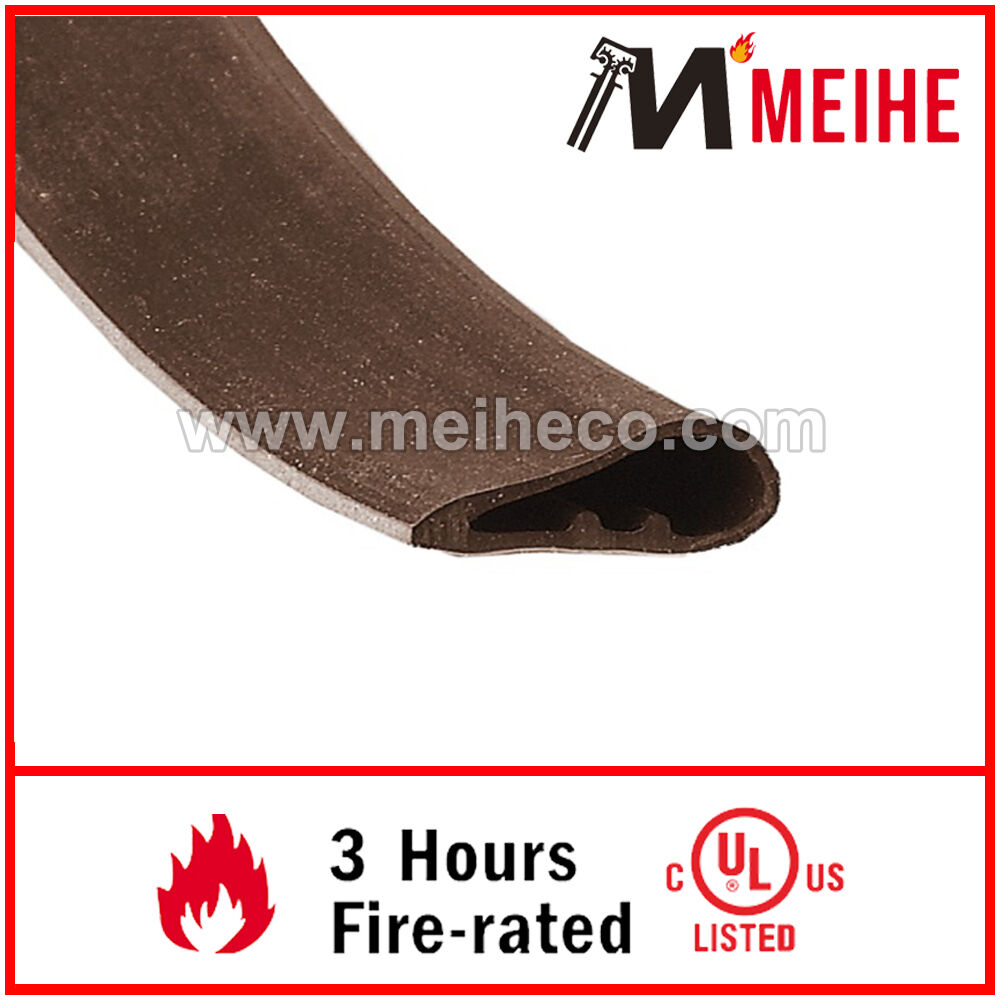
Industrial Door Frame Applications for Maximum Sealing Performance
Manufacturing Facility Requirements
Manufacturing facilities demand robust sealing solutions that withstand harsh operating conditions while maintaining consistent performance. Industrial door frames in these environments benefit significantly from adhesive weatherstripping due to frequent opening cycles, temperature fluctuations, and exposure to dust, moisture, and chemical vapors. The adhesive backing provides secure attachment to metal and composite door frames commonly found in manufacturing settings.
Production environments with controlled atmospheres require precise sealing to maintain air quality standards and prevent contamination. Adhesive weatherstripping creates reliable barriers against particulate infiltration while accommodating the thermal expansion and contraction typical in industrial operations. The flexibility of quality weatherstripping materials ensures consistent contact pressure across varying door frame geometries.
Heavy-duty industrial door frames experience significant stress from equipment movement and operational demands. The strong adhesive bond of professional-grade weatherstripping maintains integrity under these challenging conditions, providing long-term sealing performance without frequent replacement cycles that disrupt operations.
Warehouse and Distribution Center Benefits
Warehouse facilities with large door openings require effective sealing solutions to control energy costs and environmental conditions. Adhesive weatherstripping on loading dock doors and personnel entrances prevents heated or cooled air loss, reducing HVAC operational expenses significantly. The ease of installation makes adhesive options particularly valuable for facilities managing multiple door frame types.
Distribution centers handling temperature-sensitive products benefit from the consistent sealing performance of quality adhesive weatherstripping. These applications require materials that maintain flexibility across extreme temperature ranges while providing reliable moisture barriers. The adhesive attachment method ensures weatherstripping remains properly positioned despite frequent door operation.
Multi-zone warehouse environments use adhesive weatherstripping to create effective boundaries between different storage conditions. This application prevents cross-contamination of environmental conditions and helps maintain specific humidity or temperature requirements for various product categories.
Commercial Building Door Frame Optimization
Office Building Energy Efficiency
Commercial office buildings achieve substantial energy savings through strategic adhesive weatherstripping installation on exterior door frames. These applications address air infiltration issues that significantly impact HVAC efficiency and occupant comfort. Modern office buildings with glass door systems particularly benefit from weatherstripping that accommodates thermal movement while maintaining effective seals.
High-rise office buildings face unique challenges from stack effect pressures that can compromise door sealing effectiveness. Adhesive weatherstripping provides consistent barrier performance across multiple floor levels, helping building managers control pressure differentials and maintain comfortable interior conditions. The professional appearance of quality weatherstripping materials complements modern architectural designs.
Conference rooms and private offices within commercial buildings require acoustic sealing in addition to weather protection. Adhesive weatherstripping contributes to sound dampening by eliminating gaps that allow noise transmission between spaces. This dual functionality makes weatherstripping installations particularly valuable in open office environments where privacy and concentration are priorities.
Retail and Hospitality Applications
Retail establishments benefit from adhesive weatherstripping on entrance doors that experience constant customer traffic. These high-frequency applications require durable sealing materials that maintain performance despite repeated compression and release cycles. The adhesive backing ensures weatherstripping remains securely attached even with frequent door operation throughout business hours.
Restaurant and hospitality venues use adhesive weatherstripping to control temperature and humidity between dining areas and kitchen facilities. These applications help maintain comfortable guest environments while supporting efficient kitchen ventilation systems. The chemical resistance of quality weatherstripping materials ensures longevity in food service environments with cleaning chemical exposure.
Hotel room door frames benefit from weatherstripping that provides both climate control and noise reduction for guest comfort. Adhesive weatherstripping installation on corridor-facing doors helps maintain room temperature efficiency while reducing hallway noise intrusion. This application supports guest satisfaction and reduces operational energy costs for hospitality operators.
Residential Door Frame Sealing Solutions
Exterior Door Protection
Residential exterior door frames achieve optimal performance from adhesive weatherstripping that addresses both energy efficiency and weather protection needs. Front door applications benefit from materials that withstand UV exposure, temperature extremes, and precipitation while maintaining aesthetic appeal. The ease of adhesive weatherstripping installation makes it accessible for homeowner maintenance projects.
Patio and sliding door frames present unique sealing challenges that adhesive weatherstripping effectively addresses. These applications require flexible materials that accommodate sliding door operation while providing consistent sealing pressure along extended contact surfaces. Quality adhesive backing ensures weatherstripping maintains position despite repeated door movement.
Storm door applications benefit from adhesive weatherstripping that creates effective barriers against wind-driven moisture and debris. These installations protect primary entry doors while contributing to overall home energy efficiency. The durability of professional-grade weatherstripping materials ensures consistent performance through multiple seasonal cycles.
Interior Climate Control
Interior door frames within residential settings benefit from adhesive weatherstripping for climate zone control and energy management. Basement door applications help prevent conditioned air loss while controlling moisture migration between different home levels. The adhesive attachment method provides secure installation without requiring specialized tools or professional expertise.
Garage door frames connecting to living spaces require effective sealing to prevent automotive fumes, dust, and temperature transfer. Adhesive weatherstripping creates reliable barriers that protect indoor air quality while supporting whole-house energy efficiency goals. These applications often require materials resistant to petroleum products and automotive chemicals.
Attic access doors and storage room entrances benefit from adhesive weatherstripping that controls air movement and dust infiltration. These typically overlooked applications contribute to overall home sealing effectiveness and can significantly impact energy performance when properly addressed with quality weatherstripping materials.
Specialized Door Frame Applications
Clean Room and Laboratory Environments
Laboratory and clean room facilities require precise environmental control that makes adhesive weatherstripping installation critical for operational success. These applications demand materials that resist chemical degradation while providing consistent sealing performance under controlled atmosphere conditions. The non-outgassing properties of quality weatherstripping materials ensure compatibility with sensitive laboratory processes.
Medical facility door frames benefit from antimicrobial weatherstripping materials that support infection control protocols while maintaining effective environmental barriers. Operating room applications require materials that withstand frequent cleaning with hospital-grade disinfectants while preserving sealing integrity. Adhesive weatherstripping provides secure attachment without creating cleaning challenges or harboring contaminants.
Research laboratory door frames handling hazardous materials require weatherstripping with specific chemical resistance properties. These critical applications ensure personnel safety and environmental protection through effective containment of potentially dangerous substances. The reliability of adhesive attachment methods supports compliance with safety regulations and operational protocols.
Cold Storage and Food Processing
Cold storage facilities achieve optimal performance from adhesive weatherstripping specifically designed for extreme temperature applications. Freezer door frames require materials that maintain flexibility at sub-zero temperatures while providing effective moisture barriers to prevent ice formation. The adhesive backing must maintain bond strength across the wide temperature ranges typical in food storage applications.
Food processing facilities benefit from FDA-compliant weatherstripping materials that resist bacterial growth while withstanding frequent sanitation procedures. Walk-in cooler door frames require sealing solutions that prevent temperature loss during frequent access cycles while maintaining food safety standards. Quality adhesive weatherstripping supports both operational efficiency and regulatory compliance.
Pharmaceutical cold storage applications demand weatherstripping materials that maintain consistent performance under strict temperature control requirements. These critical applications protect valuable inventory while supporting compliance with pharmaceutical storage regulations. The durability of professional-grade adhesive weatherstripping ensures reliable long-term performance in demanding applications.
Installation Considerations for Optimal Performance
Surface Preparation and Compatibility
Successful adhesive weatherstripping installation begins with proper surface preparation that ensures optimal bonding performance. Door frame surfaces require thorough cleaning to remove dirt, oil, and existing sealant residues that could compromise adhesive attachment. The compatibility between weatherstripping materials and door frame substrates determines long-term installation success.
Metal door frames benefit from surface treatments that enhance adhesive bonding while providing corrosion protection. Painted surfaces require assessment for paint compatibility and adhesion strength before weatherstripping installation. Surface texture considerations ensure proper contact area for adhesive bonding while accommodating thermal expansion characteristics.
Composite and vinyl door frames present unique surface characteristics that influence adhesive weatherstripping selection and installation procedures. These materials require weatherstripping with compatible adhesive chemistries that provide secure bonding without surface damage. Temperature considerations during installation ensure optimal adhesive curing and initial bond formation.
Environmental Factors and Longevity
Environmental exposure conditions significantly influence adhesive weatherstripping performance and service life expectations. UV radiation, temperature cycling, and moisture exposure affect both the weatherstripping material and adhesive bonding strength over time. Selecting appropriate materials for specific environmental conditions ensures cost-effective long-term performance.
Seasonal temperature variations create expansion and contraction stresses that quality adhesive weatherstripping must accommodate without losing sealing effectiveness. Installation timing considerations account for temperature conditions that optimize adhesive curing and initial weatherstripping positioning. Proper material selection ensures consistent performance across expected temperature ranges.
Maintenance schedules for adhesive weatherstripping installations help maximize service life and sealing performance. Regular inspections identify wear patterns or adhesive failure before complete seal compromise occurs. Proactive maintenance approaches support both energy efficiency goals and equipment protection objectives through consistent environmental control.
FAQ
What door frame materials work best with adhesive weatherstripping
Most door frame materials including steel, aluminum, wood, vinyl, and composite materials provide excellent surfaces for adhesive weatherstripping installation. Metal frames typically offer the most reliable bonding surfaces due to their smooth, non-porous characteristics. Wood and composite frames may require surface preparation to ensure optimal adhesive performance, while vinyl frames benefit from weatherstripping specifically designed for flexible substrate applications.
How long does adhesive weatherstripping typically last on door frames
Quality adhesive weatherstripping installations typically provide 5-10 years of effective service life depending on environmental conditions and door usage frequency. Industrial applications with harsh conditions may require replacement every 3-5 years, while residential interior applications often exceed 10 years of reliable performance. Regular maintenance and inspection help identify replacement needs before complete seal failure occurs.
Can adhesive weatherstripping be removed and reinstalled on door frames
Most adhesive weatherstripping can be removed from door frames using heat application and appropriate solvents to soften the adhesive bond. However, removal typically damages the weatherstripping material, requiring complete replacement rather than reinstallation. Proper surface cleaning after removal ensures optimal bonding for new weatherstripping installation.
What temperature range should adhesive weatherstripping handle for door frame applications
Standard adhesive weatherstripping performs effectively in temperature ranges from -40°F to 200°F, covering most residential and commercial door frame applications. Specialized applications like cold storage or industrial ovens require weatherstripping materials rated for extreme temperature conditions. The adhesive backing must maintain bonding strength across the expected temperature range for reliable long-term performance.