
 EN
EN



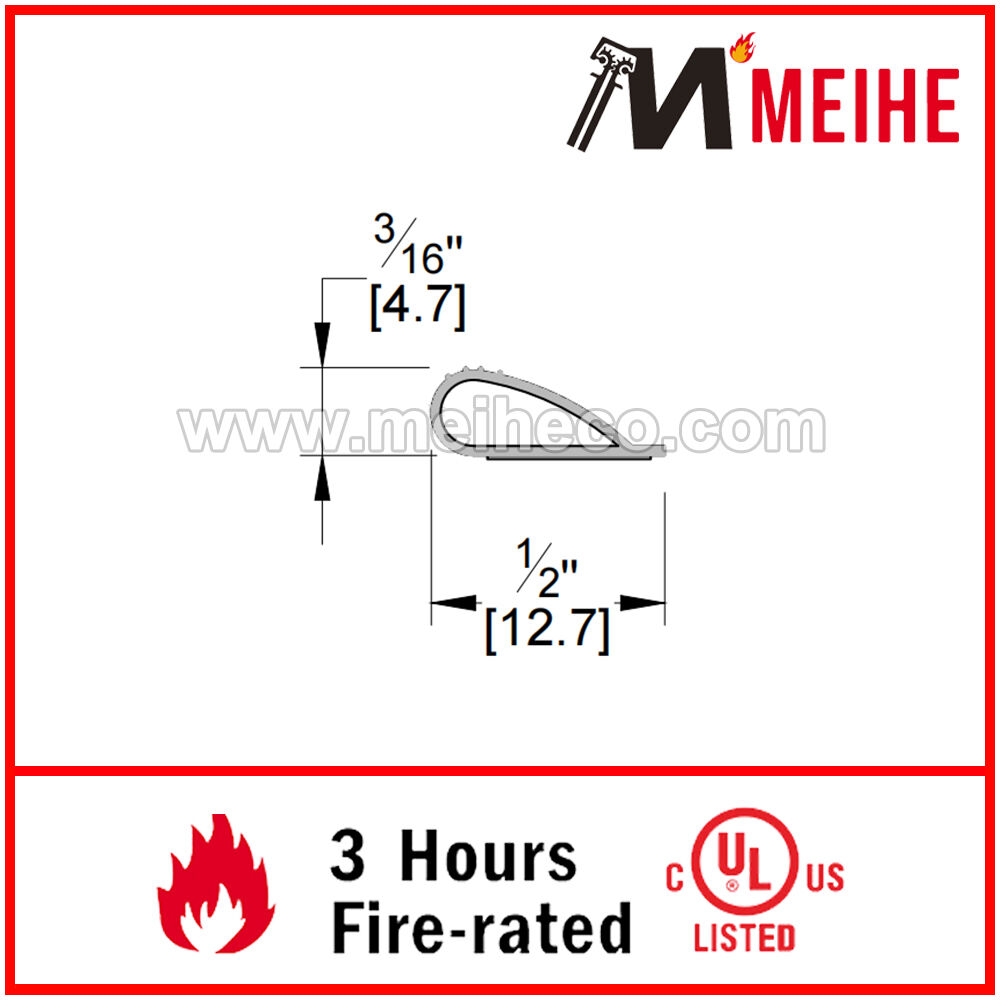
Noise pollution in high-traffic areas has become a significant concern for property managers, facility operators, and building owners seeking to create more comfortable environments. Commercial buildings, industrial facilities, and residential complexes located near busy streets, airports, or manufacturing zones face constant challenges from unwanted sound intrusion. One proven solution that continues to gain traction among professionals is the strategic implementation of adhesive weatherstripping systems designed specifically for noise reduction applications.
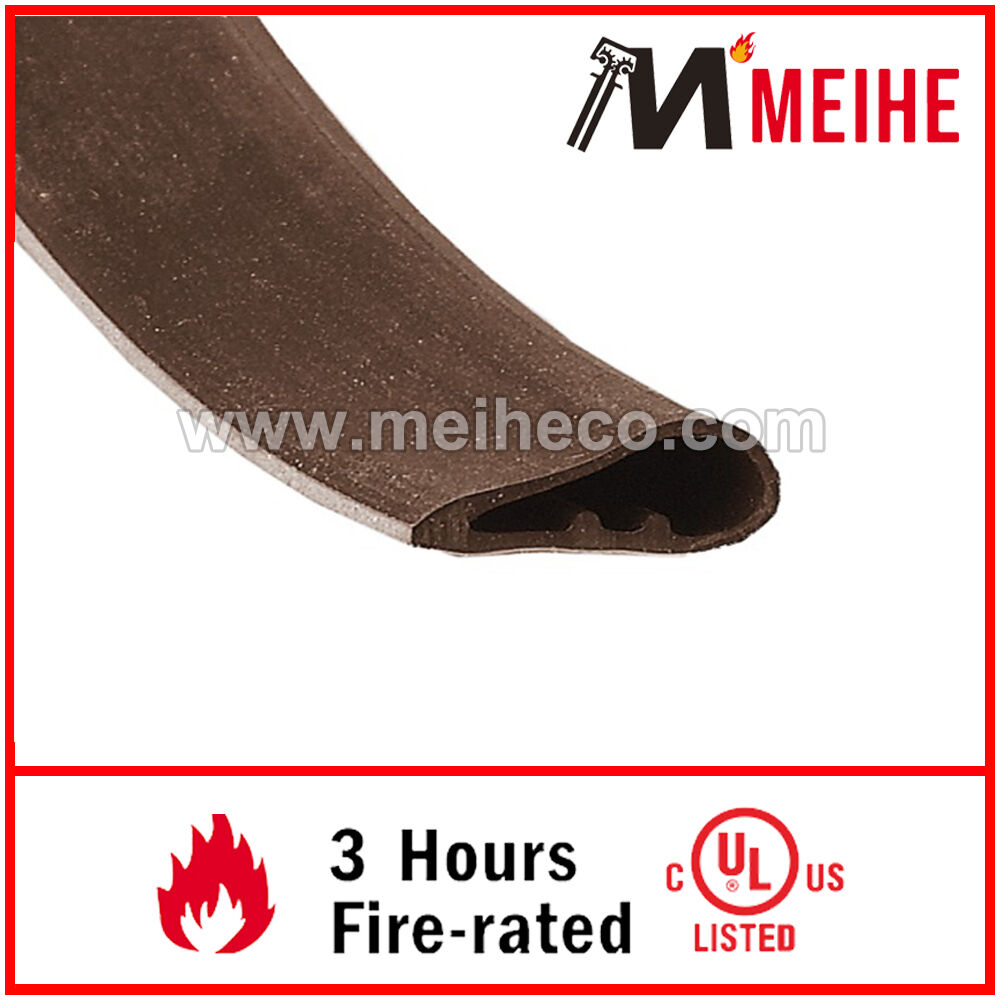
The effectiveness of noise control measures depends heavily on understanding how sound travels through building structures and identifying the primary pathways for acoustic transmission. When properly installed, adhesive weatherstripping creates continuous sealing barriers that significantly reduce both airborne and structure-borne noise transmission. Professional acoustic engineers recommend this approach because it addresses multiple sound transmission paths simultaneously while providing long-term performance in demanding environments.
Understanding Sound Transmission in High-Traffic Environments
Primary Noise Sources and Pathways
High-traffic areas generate multiple types of noise that can penetrate building structures through various pathways. Vehicle traffic produces low-frequency rumbling sounds, tire noise, and engine vibrations that travel through both air and solid materials. Pedestrian traffic contributes mid-frequency sounds including footsteps, conversations, and equipment operation. Aircraft overhead generate broad-spectrum noise that can overwhelm traditional building materials designed primarily for weather protection rather than acoustic performance.
Sound transmission occurs through gaps, cracks, and unsealed joints in building envelopes where conventional construction methods leave acoustic vulnerabilities. Door frames, window perimeters, expansion joints, and utility penetrations represent common weak points where noise infiltration occurs. Professional acousticians identify these transmission paths during comprehensive building assessments to develop targeted noise control strategies that address specific environmental challenges.
Impact Assessment and Measurement Standards
Quantifying noise reduction benefits requires understanding established measurement standards used in commercial and industrial applications. Sound Transmission Class ratings provide standardized metrics for comparing different sealing solutions under controlled laboratory conditions. Field measurements using calibrated equipment help verify actual performance in real-world installations where environmental factors influence acoustic properties.
Baseline noise measurements taken before installation establish reference points for evaluating improvement levels achieved through strategic adhesive weatherstripping placement. Professional installers document ambient noise levels, identify peak frequency ranges, and measure sound pressure variations throughout affected spaces. This data guides material selection decisions and helps optimize placement strategies for maximum noise reduction benefits.
Adhesive Weatherstripping Technology and Acoustic Properties
Material Composition and Design Features
Modern adhesive weatherstripping systems incorporate specialized materials engineered for superior acoustic dampening properties. High-density foam cores provide excellent sound absorption across broad frequency ranges while maintaining flexibility needed for effective sealing applications. Closed-cell structures resist moisture infiltration and maintain consistent performance in challenging environmental conditions commonly found in high-traffic locations.
Advanced polymer formulations used in premium adhesive weatherstripping products deliver enhanced durability and temperature stability compared to standard weather sealing materials. These specialized compounds maintain their acoustic properties across wide temperature ranges while resisting degradation from ultraviolet exposure, ozone, and chemical contaminants typically present in urban environments.
Installation Techniques for Maximum Effectiveness
Proper installation techniques are critical for achieving optimal noise reduction performance from adhesive weatherstripping systems. Surface preparation involves thorough cleaning to remove dirt, grease, and old sealant residues that could compromise adhesive bonding. Professional installers use appropriate primers when working with challenging substrates to ensure long-term adhesion performance under dynamic loading conditions.
Compression ratios must be carefully calculated to balance sealing effectiveness against operational requirements for doors and windows. Over-compression can lead to premature material failure and increased operating forces, while insufficient compression leaves gaps that allow noise transmission. Experienced technicians use specialized gauges and testing equipment to verify proper installation parameters during the installation process.
Performance Benefits in Commercial Applications
Quantifiable Noise Reduction Results
Field studies conducted in various high-traffic environments demonstrate significant noise reduction capabilities achieved through strategic adhesive weatherstripping implementation. Commercial office buildings located near major highways report ambient noise level reductions ranging from 8 to 15 decibels when comprehensive sealing programs are properly executed. Industrial facilities benefit from improved worker comfort and compliance with occupational noise exposure regulations.
Measurement data collected from retail establishments, healthcare facilities, and educational institutions shows consistent performance improvements across different building types and usage patterns. The most significant benefits occur when adhesive weatherstripping systems are integrated into comprehensive acoustic treatment programs that address multiple sound transmission pathways simultaneously rather than focusing on individual components.
Economic and Operational Advantages
Beyond noise reduction benefits, adhesive weatherstripping installations provide measurable economic advantages through improved energy efficiency and reduced maintenance requirements. Enhanced sealing performance reduces heating and cooling loads by minimizing air infiltration that forces HVAC systems to work harder maintaining comfortable indoor conditions. Lower energy consumption translates directly into reduced utility costs and improved environmental sustainability metrics.
Maintenance cost reductions result from the durability and longevity of quality adhesive weatherstripping materials compared to temporary noise control solutions. Professional-grade products maintain their performance characteristics for extended periods without requiring frequent replacement or adjustment. This reliability reduces building maintenance expenses while ensuring consistent noise control performance over the product lifecycle.
Selection Criteria and Product Specifications
Environmental Compatibility Requirements
Selecting appropriate adhesive weatherstripping for high-traffic noise reduction applications requires careful evaluation of environmental conditions and performance requirements. Temperature cycling, humidity variations, and exposure to pollutants influence material selection decisions that affect long-term system effectiveness. Products designed for demanding applications incorporate stabilizers and additives that maintain properties under challenging environmental conditions.
Chemical resistance becomes particularly important in industrial environments where adhesive weatherstripping may be exposed to cleaning agents, solvents, or process chemicals. Compatibility testing ensures selected materials will not degrade when exposed to specific chemical environments found in particular applications. Professional suppliers provide detailed chemical resistance data to guide appropriate material selection decisions.
Performance Specifications and Testing Standards
Industry testing standards provide objective criteria for evaluating adhesive weatherstripping performance in noise reduction applications. ASTM testing protocols measure sound transmission loss, compression characteristics, and durability under cyclic loading conditions that simulate real-world operational stresses. These standardized tests enable direct comparison between different product options and help verify manufacturer performance claims.
Fire safety requirements may influence material selection in certain applications where building codes mandate specific flame spread ratings or smoke generation limits. Adhesive weatherstripping products used in commercial buildings often require certification to recognized fire safety standards to ensure compliance with local building codes and insurance requirements.
Installation Best Practices and Quality Control
Professional Installation Requirements
Achieving maximum noise reduction benefits from adhesive weatherstripping requires professional installation techniques that address specific acoustic sealing requirements. Trained technicians understand how to identify critical sealing locations, select appropriate compression levels, and ensure continuous contact around door and window perimeters. Proper installation tools and measurement equipment help verify performance during the installation process.
Quality control procedures include post-installation testing to verify acoustic performance meets project specifications. Sound level measurements taken before and after installation document actual noise reduction achievements and help identify any areas requiring additional attention. Professional installers maintain detailed installation records that support warranty coverage and facilitate future maintenance activities.
Long-Term Maintenance and Performance Monitoring
Effective maintenance programs ensure adhesive weatherstripping systems continue delivering optimal noise reduction performance throughout their service life. Regular inspection schedules identify potential issues before they compromise system effectiveness, including adhesive failure, material degradation, or mechanical damage from normal wear patterns. Preventive maintenance costs significantly less than reactive repairs or complete system replacement.
Performance monitoring programs track system effectiveness over time through periodic noise level measurements and visual inspections. These programs help building owners understand actual performance benefits and make informed decisions about system upgrades or replacements when performance begins declining due to age or environmental exposure.
Comparative Analysis with Alternative Solutions
Traditional Noise Control Methods
Comparing adhesive weatherstripping with traditional noise control approaches reveals significant advantages in terms of cost-effectiveness and implementation flexibility. Acoustic barriers and sound walls require substantial construction investments and may not be practical in many high-traffic locations due to space constraints or aesthetic considerations. Adhesive weatherstripping provides targeted noise reduction without requiring major structural modifications or significant visual impact.
Window replacement programs designed to improve acoustic performance involve substantial costs and disruption to building operations. Strategic adhesive weatherstripping installation can achieve significant noise reduction benefits at a fraction of the cost while preserving existing architectural features and avoiding extended construction periods that disrupt normal activities.
Integrated System Approaches
Maximum noise reduction effectiveness often requires integrating adhesive weatherstripping with complementary acoustic treatment strategies. Combining perimeter sealing with acoustic panels, sound-absorbing materials, or vibration isolation systems creates comprehensive solutions that address multiple noise transmission pathways simultaneously. These integrated approaches deliver superior results compared to single-component solutions.
Cost-benefit analysis of integrated systems shows that adhesive weatherstripping components often provide the highest return on investment within comprehensive noise control programs. The relatively low material and installation costs combined with significant performance contributions make these systems essential components of effective noise reduction strategies in high-traffic environments.
FAQ
How much noise reduction can adhesive weatherstripping typically achieve
Properly installed adhesive weatherstripping systems can reduce noise transmission by 8 to 15 decibels in most commercial applications, with actual performance depending on installation quality, material selection, and environmental conditions. The most significant benefits occur when systems are integrated into comprehensive acoustic treatment programs that address multiple sound transmission pathways simultaneously.
What maintenance requirements are associated with adhesive weatherstripping noise control systems
Professional-grade adhesive weatherstripping requires minimal maintenance beyond periodic visual inspections and occasional cleaning to remove accumulated dirt or debris. Most systems maintain effective performance for 5 to 10 years under normal operating conditions, with replacement needs typically indicated by visible material degradation or measured performance decline.
Can adhesive weatherstripping be retrofitted to existing buildings without major modifications
Yes, adhesive weatherstripping systems are specifically designed for retrofit applications and can be installed on existing doors, windows, and structural joints without requiring major construction modifications. Professional installation typically takes only a few hours per opening and does not disrupt normal building operations during the process.
What environmental factors affect the performance of adhesive weatherstripping in high-traffic areas
Temperature extremes, humidity variations, UV exposure, and chemical contamination can influence long-term performance of adhesive weatherstripping systems. High-quality products designed for demanding applications incorporate stabilizers and protective additives that maintain acoustic and sealing properties under challenging environmental conditions commonly found in urban high-traffic locations.
Table of Contents
- Understanding Sound Transmission in High-Traffic Environments
- Adhesive Weatherstripping Technology and Acoustic Properties
- Performance Benefits in Commercial Applications
- Selection Criteria and Product Specifications
- Installation Best Practices and Quality Control
- Comparative Analysis with Alternative Solutions
-
FAQ
- How much noise reduction can adhesive weatherstripping typically achieve
- What maintenance requirements are associated with adhesive weatherstripping noise control systems
- Can adhesive weatherstripping be retrofitted to existing buildings without major modifications
- What environmental factors affect the performance of adhesive weatherstripping in high-traffic areas