
 EN
EN



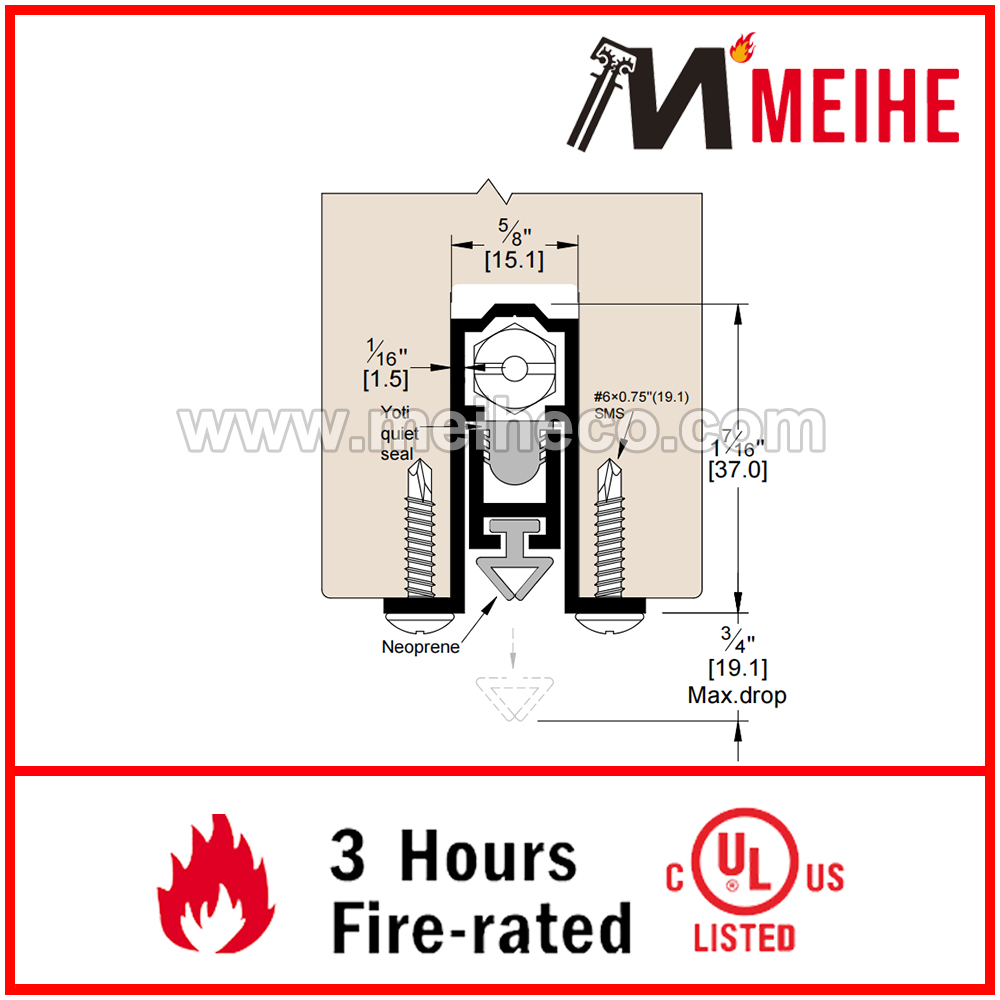
Commercial and residential buildings face constant challenges from environmental intrusions, with dust particles and insects being among the most persistent problems. An automatic door bottom represents a sophisticated sealing solution that activates whenever a door closes, creating an impenetrable barrier against unwanted contaminants. This innovative weatherproofing technology has revolutionized how building managers and homeowners approach interior climate control and cleanliness maintenance.
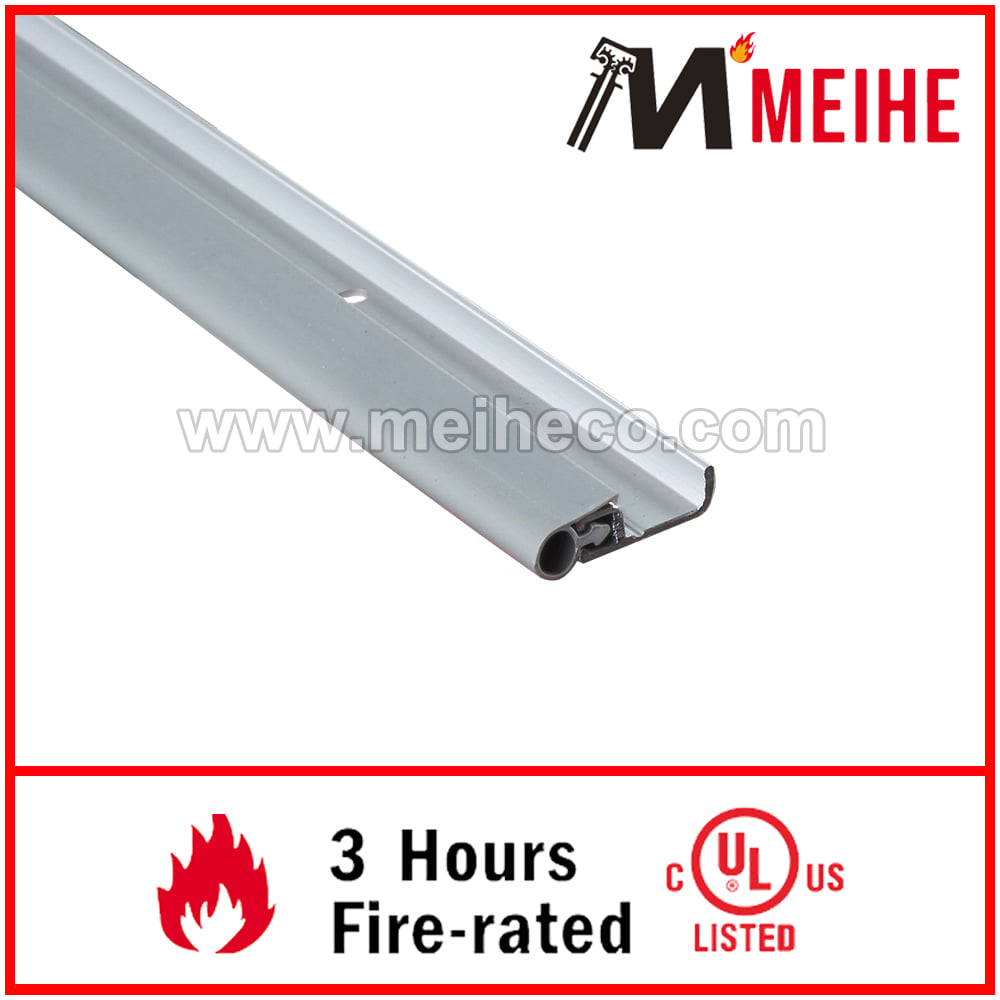
The mechanism behind an automatic door bottom operates through a spring-loaded system that responds to door positioning. When the door swings into its closed position, the device automatically deploys a flexible seal strip that contacts the floor surface. This deployment creates a continuous barrier across the entire door width, effectively blocking microscopic dust particles and preventing insects from finding entry points into interior spaces.
Building professionals increasingly recognize that traditional door gaps represent significant vulnerabilities in maintaining clean indoor environments. Standard door installations typically leave clearances between the door bottom and floor surface to accommodate carpet thickness and door swing mechanics. However, these seemingly minor gaps can measure several millimeters, providing ample space for dust accumulation and insect infiltration over time.
Understanding Automatic Door Bottom Technology
Mechanical Operation Principles
The fundamental design of an automatic door bottom incorporates precision-engineered components that ensure reliable sealing performance. A cam mechanism integrated into the door frame detects door position changes, triggering the deployment sequence when the door approaches its fully closed position. This mechanical activation eliminates the need for electrical connections or manual adjustments, making the automatic door bottom a maintenance-free solution.
Spring tension within the device provides the necessary force to maintain consistent contact pressure against floor surfaces. This pressure must be carefully calibrated to ensure effective sealing without creating excessive friction that could impede normal door operation. High-quality automatic door bottom systems feature adjustable tension mechanisms that allow for fine-tuning based on specific installation requirements.
The seal material itself typically consists of specialized rubber compounds designed to maintain flexibility across temperature variations while resisting wear from repeated contact cycles. These materials undergo rigorous testing to ensure long-term durability and consistent sealing performance in commercial applications where door usage frequency can be substantial.
Installation Compatibility Factors
Modern automatic door bottom designs accommodate various door types and architectural configurations. Standard installations work effectively with both solid core and hollow core doors, provided the door thickness meets manufacturer specifications. The device mounting system typically requires precise routing or mortising to ensure proper alignment and operation.
Floor surface compatibility represents another critical consideration for automatic door bottom effectiveness. Smooth surfaces like polished concrete, tile, or hardwood provide optimal sealing conditions, while textured surfaces may require specialized seal profiles to maintain consistent contact. Installation professionals must evaluate surface irregularities and select appropriate seal configurations to achieve maximum barrier effectiveness.
Clearance requirements vary depending on the specific automatic door bottom model and intended application. Most systems require minimum clearances between the door bottom and floor surface to accommodate the deployment mechanism while maintaining adequate sealing compression when activated. Proper measurement and preparation during installation ensure optimal long-term performance.
Dust Prevention Mechanisms
Particle Size Filtration
Effective dust prevention requires understanding the diverse particle sizes that commonly infiltrate buildings through door gaps. Fine dust particles measuring less than 10 microns can remain airborne for extended periods and easily pass through minimal openings. An automatic door bottom creates a physical barrier that blocks these particles regardless of air pressure differentials or ventilation system operations.
The sealing mechanism prevents both settling dust and airborne particles from entering spaces. When doors remain closed, the deployed seal maintains continuous contact with floor surfaces, eliminating pathways for particle infiltration. This barrier remains effective even when building HVAC systems create pressure differentials that might otherwise drive dust through unsealed gaps.
Industrial environments particularly benefit from automatic door bottom installations due to higher dust concentrations and more stringent cleanliness requirements. Manufacturing facilities, food processing plants, and healthcare environments rely on these sealing systems to maintain controlled atmospheres and prevent contamination between different operational areas.
Air Leakage Control
Dust infiltration often accompanies air leakage through building envelope gaps. An automatic door bottom significantly reduces air exchange rates by eliminating one of the most common leakage paths in building construction. This reduction in air movement directly correlates with decreased dust infiltration and improved indoor air quality.
The relationship between air pressure and dust movement becomes particularly important in buildings with mechanical ventilation systems. Positive pressure differentials can force dust-laden air through unsealed openings, while negative pressure can draw outdoor contaminants into interior spaces. Proper sealing with an automatic door bottom helps maintain intended pressure relationships and reduces unwanted air exchange.
Energy efficiency improvements often accompany dust prevention benefits when implementing comprehensive sealing strategies. Reduced air leakage decreases heating and cooling loads while simultaneously improving indoor air quality through better filtration system effectiveness and reduced contamination sources.
Insect Exclusion Strategies
Common Entry Point Elimination
Insects demonstrate remarkable ability to exploit minimal gaps in building envelopes, with many species capable of squeezing through openings significantly smaller than their apparent body dimensions. Door bottom gaps represent prime infiltration routes because they often connect directly to outdoor environments and remain unmonitored for extended periods. An automatic door bottom eliminates these pathways by creating a continuous barrier that adjusts to floor irregularities and maintains contact integrity.
Different insect species require varying gap sizes for successful entry, with some requiring less than one millimeter of clearance. Ants, small beetles, and certain flying insects can exploit gaps that appear insignificant to human observation. The comprehensive sealing provided by automatic door bottom systems addresses these microscopic entry points that conventional weatherstripping might miss due to floor surface variations.
Seasonal insect activity patterns make consistent barrier maintenance essential for year-round protection. Spring and summer months typically see increased insect pressure as populations expand and seek shelter or food sources. Automatic door bottom systems provide reliable protection regardless of seasonal variations or changing insect behavior patterns.
Integrated Pest Management Benefits
Professional pest management strategies emphasize exclusion as the primary defense against insect intrusion. An automatic door bottom serves as a critical component in comprehensive integrated pest management programs by eliminating access points without requiring chemical treatments or ongoing monitoring. This mechanical approach provides sustainable, long-term protection that complements other pest prevention measures.
The economic benefits of effective exclusion extend beyond immediate pest control savings. Preventing insect infiltration reduces the risk of contamination in food service establishments, pharmaceutical facilities, and other sensitive environments where insect presence can result in significant regulatory compliance issues or product losses.
Maintenance requirements for automatic door bottom systems remain minimal compared to alternative pest exclusion methods. Once properly installed and adjusted, these devices operate reliably for years without requiring pesticide applications, trap monitoring, or frequent inspections that characterize other pest management approaches.
Environmental and Health Benefits
Indoor Air Quality Improvement
The installation of an automatic door bottom contributes significantly to maintaining superior indoor air quality by preventing the infiltration of outdoor pollutants and allergens. Urban environments expose buildings to vehicle emissions, industrial pollutants, and seasonal allergens that can compromise indoor air quality when allowed to enter through unsealed openings. Effective barrier systems help maintain the integrity of indoor air filtration systems and reduce the burden on HVAC equipment.
Allergic individuals particularly benefit from reduced pollen and outdoor allergen infiltration. During high pollen seasons, even minimal door gaps can allow sufficient allergen entry to trigger respiratory symptoms in sensitive individuals. Automatic door bottom systems provide consistent protection that mechanical air filtration alone cannot achieve at building entry points.
Healthcare facilities and assisted living environments rely on automatic door bottom installations to maintain controlled atmospheres necessary for patient safety and comfort. These environments require stringent air quality standards, and comprehensive sealing strategies support infection control protocols and regulatory compliance requirements.
Chemical Reduction Opportunities
Effective physical barriers reduce the need for chemical pest control treatments, supporting healthier indoor environments and reducing exposure risks for building occupants. Traditional pest control approaches often rely on periodic pesticide applications that can create indoor air quality concerns, particularly in sensitive environments like schools, healthcare facilities, and residential applications.
The long-term cost benefits of mechanical exclusion versus chemical treatment programs make automatic door bottom systems attractive investments for facility managers focused on sustainable building operations. Initial installation costs typically provide positive returns within the first year through reduced pest control service requirements and improved energy efficiency.
Environmental sustainability considerations favor mechanical solutions that provide long-term performance without ongoing chemical inputs or disposal requirements. Automatic door bottom systems align with green building initiatives and support LEED certification requirements related to indoor environmental quality and sustainable operations.
Installation and Maintenance Considerations
Professional Installation Requirements
Proper automatic door bottom installation requires precise measurement and careful attention to door and frame specifications. Professional installers must evaluate door thickness, swing clearances, and floor surface conditions to select appropriate hardware configurations and ensure optimal performance. Installation typically involves routing or mortising door bottom edges to accommodate the mechanism housing and adjustment components.
Template-based installation procedures help ensure accurate positioning and alignment of automatic door bottom components. Most manufacturers provide detailed templates and installation guides that specify exact measurements and cutting requirements for different door types and applications. Following these specifications closely prevents operational problems and ensures warranty coverage.
Quality control during installation includes testing deployment mechanisms, verifying seal contact across the entire door width, and confirming proper door operation with the system installed. These verification steps prevent future problems and ensure that the automatic door bottom performs as designed throughout its service life.
Long-term Performance Optimization
Regular inspection and maintenance protocols help maximize automatic door bottom service life and performance consistency. Periodic checks should include verification of seal condition, mechanism operation, and contact pressure adequacy. Most systems require minimal maintenance beyond occasional cleaning and seal inspection for wear or damage.
Seal replacement represents the primary maintenance requirement over the system lifecycle. High-quality seals typically provide years of reliable service before requiring replacement due to wear or environmental degradation. Replacement procedures are generally straightforward and can often be performed without removing the entire automatic door bottom assembly.
Performance monitoring helps identify potential issues before they compromise sealing effectiveness. Signs of decreased performance include visible gaps when the door is closed, increased dust accumulation, or insect infiltration despite proper door closure. Early identification and correction of these issues prevent larger problems and maintain consistent barrier effectiveness.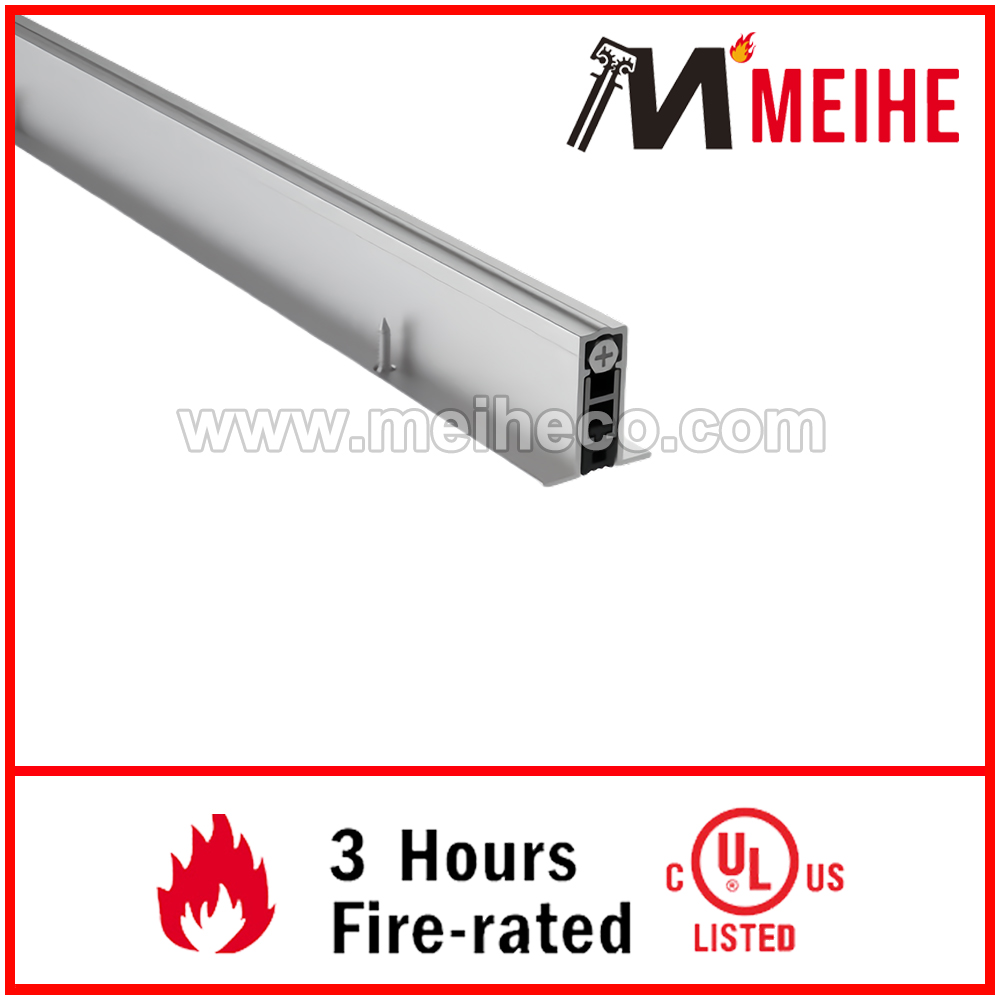
FAQ
How does an automatic door bottom differ from standard weatherstripping
An automatic door bottom provides dynamic sealing that activates only when the door closes, while standard weatherstripping remains static and may interfere with door operation or wear prematurely from constant floor contact. The automatic mechanism ensures consistent sealing pressure without creating operational friction, and the system adjusts to minor floor irregularities that would compromise fixed weatherstripping effectiveness. Additionally, automatic door bottom systems typically offer superior durability and longer service life compared to conventional weatherstripping materials.
What floor surface types work best with automatic door bottom systems
Smooth, hard surfaces like polished concrete, ceramic tile, hardwood, and vinyl provide optimal sealing conditions for automatic door bottom systems. These surfaces allow consistent seal contact and minimize wear on the sealing element. Textured surfaces, low-pile carpets, and slightly irregular floors can still accommodate automatic door bottom installation with appropriate seal selection and adjustment. Very thick carpets or highly textured surfaces may require special consideration or alternative sealing approaches to achieve effective barriers.
How often should automatic door bottom seals be replaced
Seal replacement intervals depend on door usage frequency, environmental conditions, and seal material quality, but typically range from three to seven years in normal applications. High-traffic commercial installations may require more frequent replacement, while residential applications often exceed average replacement intervals. Visual inspection for wear, cracking, or deformation provides the best indication of replacement needs. Signs that replacement is needed include visible gaps when the door is closed, decreased dust or insect exclusion effectiveness, or physical damage to the seal material.
Can automatic door bottom systems be installed on existing doors
Most automatic door bottom systems can be retrofitted to existing doors provided the door meets thickness and structural requirements. Installation typically requires routing or cutting the door bottom to accommodate the mechanism housing, which may affect door warranties or structural integrity in some cases. Professional evaluation helps determine retrofitability and ensures proper installation without compromising door performance. Some doors with glass panels, unusual thicknesses, or structural limitations may not be suitable for retrofit installation without modifications.