
 EN
EN



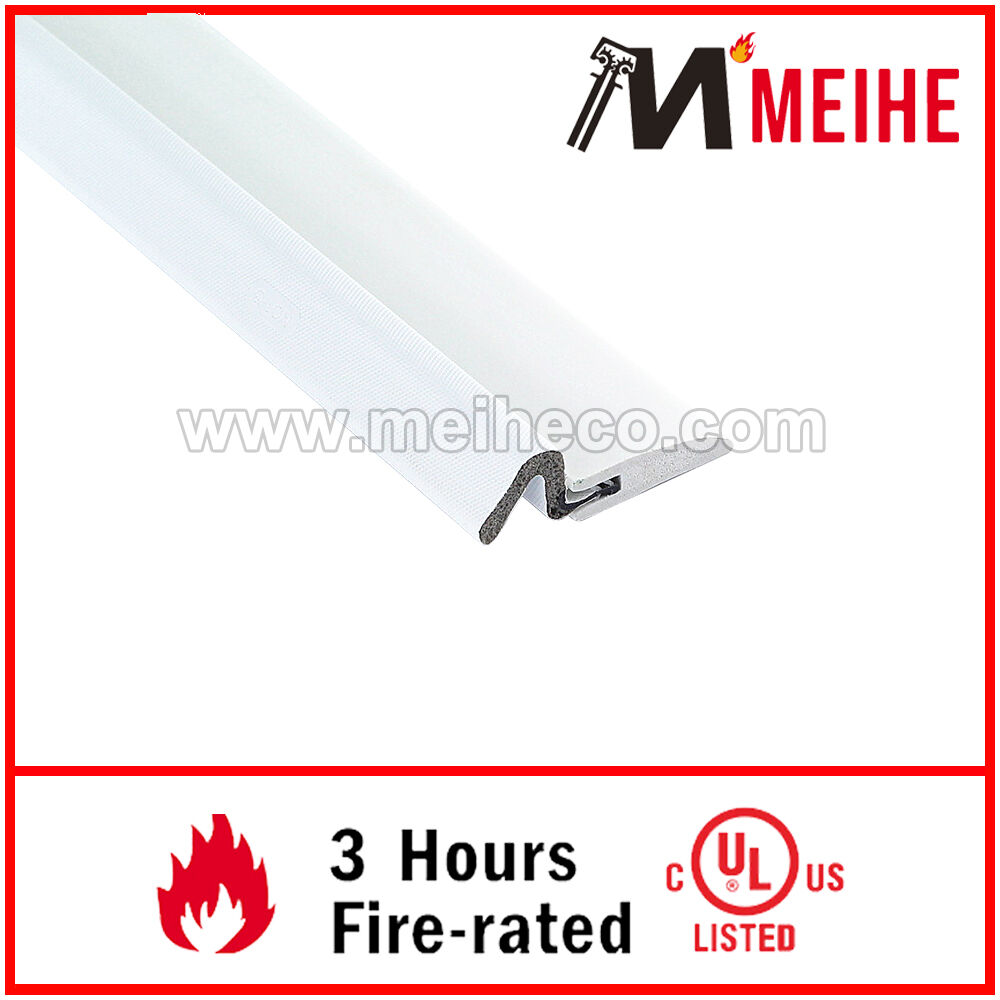
Commercial buildings rely heavily on effective weather stripping to maintain energy efficiency, indoor air quality, and operational comfort. Over time, this critical component deteriorates due to constant use, environmental factors, and natural wear. Recognizing the early warning signs of failing weather stripping can save businesses significant money on energy costs while ensuring optimal building performance. Property managers and facility administrators must understand these indicators to schedule timely replacements and avoid costly emergency repairs.

Visual Inspection Indicators
Cracking and Brittleness
One of the most obvious signs that weather stripping requires replacement is visible cracking along its surface. Commercial grade weather stripping endures substantial stress from frequent door and window operations, temperature fluctuations, and exposure to cleaning chemicals. When the material becomes brittle, it loses its flexibility and sealing properties. Cracks typically begin as hairline fractures but expand over time, creating gaps that compromise the seal. Building maintenance teams should conduct regular visual inspections, paying particular attention to high-traffic areas where wear accelerates.
Brittleness often accompanies cracking, especially in rubber-based weather stripping materials. The material may feel stiff to the touch and lack the elasticity needed for proper compression against door frames or window sashes. This condition typically develops gradually but accelerates in extreme temperature environments or areas with high UV exposure. Commercial facilities with large glass facades or doors facing south-west directions are particularly susceptible to this type of deterioration.
Visible Gaps and Separations
Effective weather stripping should create a continuous seal without visible gaps when doors and windows are closed. Gaps indicate that the material has shrunk, compressed permanently, or shifted from its original position. These separations become more apparent during seasonal temperature changes when building materials expand and contract. Even small gaps significantly impact energy efficiency by allowing conditioned air to escape and outdoor air to infiltrate the building envelope.
Separation from the mounting surface represents another critical visual indicator. Weather stripping that pulls away from door frames or window assemblies creates obvious breach points in the building's thermal barrier. This condition often results from adhesive failure, mechanical fastener loosening, or excessive stress on the material during operation. Regular monitoring helps identify these issues before they progress to complete seal failure.
Performance-Related Warning Signs
Increased Energy Consumption
Rising energy bills often signal compromised weather stripping throughout commercial buildings. When seals fail, heating and cooling systems work harder to maintain desired indoor temperatures, resulting in measurably higher utility costs. Facility managers should analyze monthly energy consumption patterns and investigate sudden increases that cannot be attributed to operational changes or equipment issues. Failing weather stripping creates a cascading effect where multiple systems operate inefficiently.
Energy audits frequently reveal that poor weather stripping contributes significantly to overall building inefficiency. Professional assessments using thermal imaging cameras can identify specific locations where compromised seals allow thermal bridging. These hot spots during cooling seasons or cold spots during heating seasons indicate exactly where weather stripping replacement is most urgently needed. Addressing these issues promptly delivers measurable returns on investment through reduced operating costs.
Temperature Inconsistencies
Noticeable temperature variations near doors and windows indicate failing weather stripping seals. Occupants may report drafts, cold spots, or areas that feel warmer than surrounding spaces during different seasons. These temperature inconsistencies affect employee comfort and productivity while signaling that the building envelope has been compromised. Professional-grade weather stripping should maintain consistent indoor conditions regardless of external weather patterns.
Zone-based HVAC systems may struggle to maintain programmed temperatures when weather stripping fails in specific areas. Control systems compensate by running equipment longer or more frequently, but cannot overcome fundamental sealing problems. Maintenance personnel should investigate temperature complaints promptly, as they often indicate multiple building performance issues beyond just weather stripping deterioration.
Environmental Impact Symptoms
Water Infiltration and Moisture Issues
Compromised weather stripping allows water penetration during rainfall, creating potential structural damage and indoor air quality problems. Water stains around door frames, window sills, or along floor perimeters indicate that seals no longer provide adequate moisture protection. Commercial buildings require robust weather stripping to prevent water damage to expensive finishes, equipment, and inventory stored near exterior openings.
Moisture infiltration through failed weather stripping creates ideal conditions for mold and mildew growth. These biological contaminants pose serious health risks to building occupants and can trigger expensive remediation projects. Preventive replacement of deteriorating weather stripping costs significantly less than addressing water damage and indoor air quality issues after they develop. Regular moisture monitoring near exterior openings helps identify weather stripping problems before they cause extensive damage.
Dust and Debris Accumulation
Increased dust accumulation near doors and windows often indicates that weather stripping no longer provides effective filtration. Commercial buildings depend on weatherseals to prevent outdoor contaminants from entering interior spaces. When seals fail, dust, pollen, and other airborne particles bypass building filtration systems, increasing cleaning requirements and potentially affecting sensitive equipment or processes.
Industrial facilities and clean room environments are particularly sensitive to contamination through compromised weather stripping. Even minor seal failures can introduce particles that disrupt manufacturing processes or compromise product quality. Facilities managers must monitor air quality metrics and investigate increases in particulate levels that might indicate weather stripping deterioration around critical entry points.
Functional Operation Problems
Difficulty Opening and Closing
Weather stripping that has swollen, hardened, or accumulated debris can interfere with normal door and window operation. Occupants may report increased effort required to open doors or windows that previously operated smoothly. This resistance often indicates that weather stripping has lost its designed compression characteristics or that foreign material has accumulated in the seal area.
Binding or sticking during operation suggests that weather stripping may have expanded beyond its design parameters or shifted from proper alignment. These operational issues typically worsen over time and can lead to hardware damage if not addressed promptly. Regular lubrication and adjustment cannot compensate for weather stripping that has fundamentally deteriorated and requires replacement.
Noise Transmission
Effective weather stripping provides acoustic insulation in addition to thermal and moisture barriers. Increased noise transmission from outdoor sources indicates that seals no longer provide adequate sound dampening. Commercial buildings in urban environments depend on weather stripping to maintain acceptable interior noise levels for productive work environments.
Sound infiltration through compromised weather stripping affects employee concentration and customer comfort in retail environments. Professional acoustic testing can quantify changes in sound transmission and help prioritize weather stripping replacement projects. Addressing acoustic problems through weather stripping upgrades often proves more cost-effective than installing additional soundproofing materials.
Material-Specific Deterioration Patterns
Rubber Compound Degradation
Rubber-based weather stripping exhibits specific deterioration patterns that indicate replacement needs. UV exposure causes surface oxidation that appears as a chalky or faded appearance. The material may feel sticky or leave residue when touched, indicating chemical breakdown of the polymer structure. These changes compromise the material's ability to maintain consistent compression and recovery cycles essential for effective sealing.
Ozone exposure accelerates rubber degradation, particularly in urban environments with high air pollution levels. Weather stripping exposed to automotive exhaust or industrial emissions may deteriorate faster than expected based on age alone. Regular inspection of rubber weather stripping should focus on surface condition, flexibility, and compression recovery after pressure application.
Foam and Fabric Deterioration
Foam weather stripping materials show deterioration through compression set, where the material loses its ability to return to original thickness after compression. This condition creates permanent gaps that compromise sealing effectiveness. Fabric-reinforced weather stripping may show fraying, delamination, or separation between fabric and backing materials.
Closed-cell foam weather stripping resists moisture absorption better than open-cell materials, but both types eventually lose their cellular structure through repeated compression cycles. Visual inspection should identify areas where foam has compressed to less than half its original thickness, as these sections no longer provide effective sealing. Replacement becomes necessary when compression set exceeds design tolerances.
Seasonal Inspection Considerations
Pre-Winter Assessment
Fall inspections provide the last opportunity to address weather stripping issues before winter heating demands increase. Cold temperatures make many weather stripping materials brittle and more susceptible to failure. Commercial buildings should complete weather stripping assessments and replacements during moderate temperature periods when materials remain flexible and installation conditions are optimal.
Thermal imaging surveys conducted during fall temperature transitions reveal weather stripping problems that might not be apparent during extreme weather conditions. These assessments help prioritize replacement projects based on actual thermal performance rather than just visual appearance. Pre-winter weather stripping maintenance prevents emergency repairs during peak heating season when costs are highest.
Spring Maintenance Evaluation
Spring assessments evaluate weather stripping performance after winter stress testing. Freeze-thaw cycles, ice formation, and extreme temperature variations reveal material weaknesses that develop over time. Weather stripping that survived winter conditions may still require replacement if it shows signs of reduced elasticity or compression recovery.
Post-winter evaluations should include functionality testing where doors and windows are operated through full range of motion while checking for proper seal compression. Materials that appear visually acceptable may still require replacement if they cannot maintain adequate sealing pressure throughout their designed compression range.
FAQ
How often should commercial weather stripping be replaced
Commercial weather stripping typically requires replacement every 3-7 years depending on material quality, usage frequency, and environmental exposure. High-traffic areas may need attention more frequently, while protected locations might last longer. Regular annual inspections help determine optimal replacement timing based on actual condition rather than arbitrary schedules. Premium weather stripping materials justify their higher cost through extended service life and superior performance characteristics.
What factors accelerate weather stripping deterioration
UV exposure, ozone pollution, extreme temperatures, chemical cleaning agents, and mechanical stress from frequent operation all accelerate weather stripping deterioration. Buildings with south-facing exposures, urban locations with high air pollution, or facilities using harsh cleaning chemicals experience faster degradation rates. Understanding these factors helps predict replacement needs and select appropriate materials for specific applications.
Can weather stripping be repaired instead of replaced
Minor weather stripping damage such as small tears or loose sections can sometimes be repaired using appropriate adhesives or mechanical fasteners. However, repairs are typically temporary solutions that provide limited service life compared to complete replacement. Material deterioration affecting compression properties, flexibility, or chemical composition cannot be effectively repaired and requires full replacement to restore proper sealing performance.
How does failed weather stripping impact building certification
Compromised weather stripping can negatively impact LEED certification, Energy Star ratings, and other building performance certifications by reducing energy efficiency metrics. Many green building standards require maintaining specified air leakage rates that depend on effective weather stripping throughout the building envelope. Regular weather stripping maintenance helps preserve certification status and associated financial incentives.