
 EN
EN



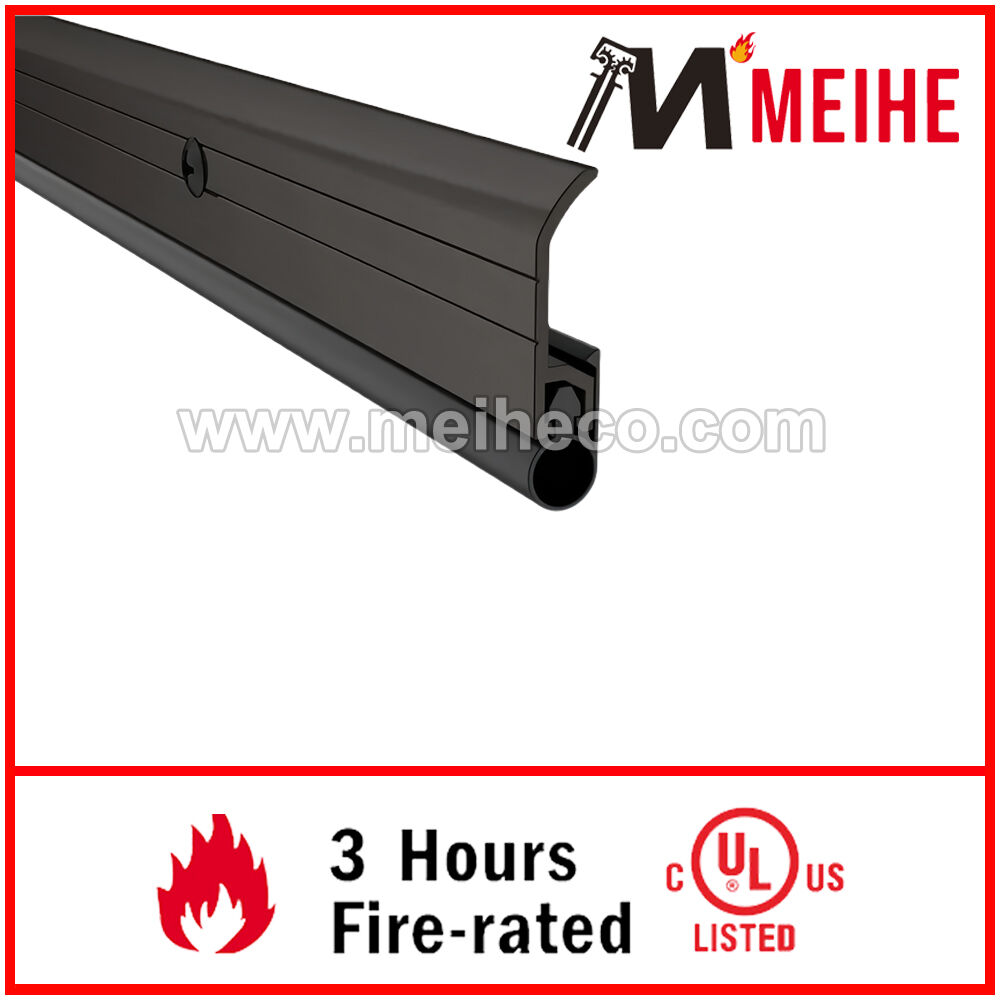
Weather stripping serves as a critical barrier between indoor comfort and outdoor elements, yet its effectiveness fluctuates dramatically with seasonal temperature changes. Understanding how thermal variations affect weather stripping performance helps building managers, contractors, and homeowners make informed decisions about installation timing, material selection, and maintenance schedules. The relationship between temperature and sealing efficiency directly impacts energy costs, indoor air quality, and overall building performance throughout the year.
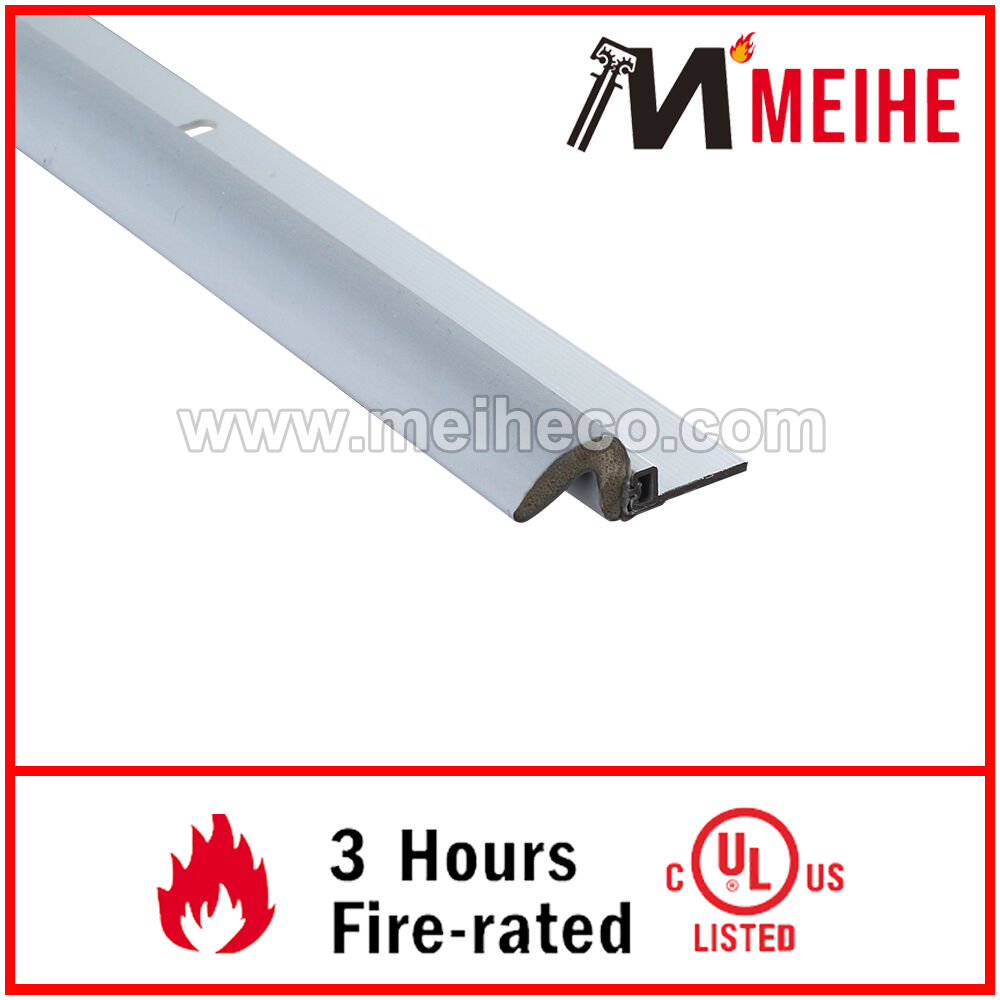
Temperature extremes create unique challenges for sealing systems across different seasons. During summer months, high temperatures can cause certain materials to soften, expand, or lose their elastic properties, while winter conditions may lead to brittleness, shrinkage, and reduced flexibility. These thermal effects significantly influence how well weather stripping maintains its seal against air infiltration, moisture penetration, and energy loss.
Material Response to Temperature Fluctuations
Rubber and Elastomer Behavior
Rubber-based weather stripping exhibits distinct behavioral patterns across seasonal temperature ranges. During hot summer conditions, rubber compounds tend to expand and become more pliable, which can initially improve sealing contact but may also lead to accelerated wear and permanent deformation. The molecular structure of elastomers changes with heat exposure, affecting their ability to return to original shape after compression.
Cold winter temperatures present opposite challenges for rubber weather stripping materials. Low temperatures cause rubber to contract and become rigid, potentially creating gaps where flexible seals once maintained tight contact. This thermal contraction can be particularly problematic around doors and windows that experience frequent operation, as the hardened material may crack or tear under mechanical stress.
Quality rubber formulations incorporate temperature stabilizers and plasticizers designed to minimize these seasonal effects. However, even premium materials experience some degree of thermal variation, making proper installation techniques and regular maintenance essential for optimal performance throughout the year.
Vinyl and Synthetic Material Characteristics
Vinyl weather stripping demonstrates different thermal response patterns compared to natural rubber materials. Polyvinyl chloride compounds maintain relatively stable dimensions across moderate temperature ranges, making them suitable for applications where consistent sealing pressure is critical. However, extreme cold can cause vinyl to become brittle, while excessive heat may lead to softening and distortion.
Advanced synthetic weather stripping materials incorporate specialized additives to enhance temperature stability. These formulations often include UV stabilizers, antioxidants, and temperature-resistant polymers that help maintain performance characteristics across broader temperature ranges. The selection of appropriate synthetic materials depends on local climate conditions and expected temperature extremes.
Thermoplastic elastomers represent a newer category of weather stripping materials that combine the flexibility of rubber with the processability of plastics. These materials often demonstrate superior temperature stability compared to conventional options, maintaining consistent sealing performance across seasonal variations while resisting degradation from thermal cycling.
Seasonal Performance Variations
Summer Heat Effects
High summer temperatures create several challenges for weather stripping effectiveness. Extended exposure to temperatures above 80°F can cause certain materials to lose their memory properties, resulting in permanent compression set that reduces sealing efficiency. This phenomenon is particularly noticeable in hollow weather stripping profiles that rely on internal air pressure to maintain their shape and sealing contact.
Solar heating effects compound temperature-related performance issues, especially for weather stripping installed on south-facing exposures. Direct sunlight can drive surface temperatures well above ambient air temperature, accelerating material degradation and thermal expansion. Dark-colored weather stripping materials absorb more heat, experiencing more severe thermal effects than lighter-colored alternatives.
Humidity levels during summer months also interact with temperature effects to influence weather stripping performance. High humidity can cause certain materials to swell, potentially improving sealing contact but also increasing friction and wear rates. The combination of heat and moisture can also promote biological growth, leading to material degradation and odor issues.
Winter Cold Challenges
Cold winter conditions present unique challenges that significantly impact weather stripping effectiveness. As temperatures drop below freezing, most elastomeric materials become increasingly rigid, reducing their ability to conform to irregular surfaces and maintain consistent sealing pressure. This rigidity can lead to air leakage paths that compromise energy efficiency and indoor comfort.
Freeze-thaw cycles create additional stress on weather stripping installations. Repeated expansion and contraction can cause materials to fatigue and develop cracks, particularly at mounting points and corners where stress concentrations are highest. Ice formation can also interfere with proper sealing, creating gaps that allow air infiltration and moisture penetration.
Winter weather stripping performance is particularly critical for energy efficiency, as heating costs represent a significant portion of annual energy expenses. Even small gaps or reduced sealing effectiveness can lead to substantial energy losses and comfort problems during cold weather periods when heating systems work hardest to maintain indoor temperatures.
Installation Timing and Temperature Considerations
Optimal Installation Conditions
The timing of weather stripping installation significantly influences long-term performance and durability. Installing weather stripping during moderate temperature conditions, typically between 50°F and 75°F, allows materials to achieve proper positioning and compression without thermal stress. This temperature range enables most materials to maintain their designed dimensions while providing adequate flexibility for proper installation.
Spring and fall seasons often provide ideal installation conditions, with stable temperatures and moderate humidity levels that facilitate proper material handling and positioning. Installing weather stripping during these periods also allows time for materials to acclimate to local conditions before experiencing seasonal temperature extremes.
Pre-conditioning materials to installation temperature helps ensure optimal performance. Storing weather stripping materials in temperature-controlled environments before installation prevents thermal shock and allows materials to achieve stable dimensions. This practice is particularly important for precision applications where tight tolerances are critical for effective sealing.
Temperature Compensation Strategies
Successful weather stripping installations incorporate temperature compensation strategies to account for seasonal dimensional changes. These strategies may include oversizing gasket profiles to maintain sealing contact during thermal contraction, or selecting materials with enhanced temperature stability for critical applications.
Adjustable compression systems allow weather stripping performance to be optimized for different seasonal conditions. These systems typically incorporate mechanical adjustments that can increase or decrease sealing pressure to compensate for temperature-related material changes. While more complex than fixed installations, adjustable systems can significantly improve year-round performance.
Multi-stage weather stripping designs incorporate multiple sealing elements with different temperature response characteristics. Primary seals may provide consistent performance across moderate temperature ranges, while secondary elements activate during extreme conditions to maintain effective sealing. This approach provides redundancy and improved reliability across seasonal variations.
Material Selection for Climate Zones
Cold Climate Considerations
Weather stripping selection for cold climates requires careful attention to low-temperature performance characteristics. Materials must maintain flexibility and sealing effectiveness at temperatures well below freezing, while also resisting damage from ice formation and freeze-thaw cycling. Silicone-based compounds often perform well in cold climates due to their superior low-temperature flexibility.
Cold-weather formulations typically incorporate specialized plasticizers and flexibility enhancers that prevent brittleness at low temperatures. These additives help maintain material properties across extended temperature ranges, ensuring consistent sealing performance throughout winter months. However, these formulations may have different characteristics during warm weather, requiring balanced selection for year-round applications.
Insulating properties become increasingly important for weather stripping in cold climates. Materials with lower thermal conductivity help reduce heat transfer through the sealing interface, improving overall energy efficiency. Closed-cell foam weather stripping often provides excellent insulating properties while maintaining adequate sealing performance in cold conditions.
Hot Climate Requirements
Hot climate applications require weather stripping materials that maintain dimensional stability and sealing effectiveness at elevated temperatures. UV resistance becomes critical in sunny locations, as solar radiation can rapidly degrade unprotected materials. Dark pigments and UV stabilizers help protect weather stripping from photodegradation while maintaining appearance and performance.
Heat-resistant formulations incorporate high-temperature plasticizers and stabilizers that prevent softening and deformation during summer temperature peaks. These materials often use specialized polymer systems that maintain their elastic properties across broader temperature ranges compared to conventional formulations.
Ventilation considerations become important for weather stripping in hot climates, as excessive seal tightness can contribute to moisture problems and reduced indoor air quality. Breathable weather stripping designs allow controlled air exchange while maintaining effective sealing against wind-driven rain and dust infiltration.
Maintenance and Performance Monitoring
Seasonal Inspection Protocols
Regular seasonal inspections help identify weather stripping performance issues before they impact energy efficiency or building comfort. Spring inspections should focus on identifying winter damage such as cracking, hardening, or compression set that may have developed during cold weather exposure. These inspections provide opportunities to address problems before summer cooling season begins.
Fall inspections concentrate on identifying summer-related degradation including UV damage, softening, or permanent deformation from heat exposure. Replacing damaged weather stripping before winter ensures optimal sealing performance during the heating season when energy costs are typically highest and comfort requirements are most demanding.
Documentation of inspection findings helps establish patterns of weather stripping performance and identify materials or installation techniques that provide superior longevity. This information supports future material selection decisions and helps optimize maintenance schedules based on actual performance data rather than theoretical estimates.
Performance Optimization Techniques
Adjusting weather stripping compression seasonally can help maintain optimal sealing performance across temperature variations. Increasing compression during cold weather compensates for material shrinkage and reduced flexibility, while reducing compression during hot weather prevents over-compression and accelerated wear.
Lubrication of movable weather stripping components helps maintain proper operation across temperature ranges. Specialized lubricants designed for weather stripping applications resist temperature extremes while providing long-lasting protection against friction and wear. Regular lubrication is particularly important for applications with frequent operation such as doors and operable windows.
Environmental monitoring systems can provide valuable data about actual temperature exposure and performance correlation. Temperature sensors placed near weather stripping installations help correlate performance changes with specific environmental conditions, supporting more precise maintenance scheduling and material selection decisions.
FAQ
How does cold weather affect rubber weather stripping performance
Cold weather causes rubber weather stripping to become rigid and contract, potentially creating gaps that allow air leakage. Most rubber materials lose flexibility below 40°F, with severe effects occurring below freezing. Cold-weather formulations with specialized plasticizers maintain better performance at low temperatures, though some reduction in sealing effectiveness is normal during extreme cold periods.
What temperature range provides optimal weather stripping installation conditions
The ideal installation temperature range for most weather stripping materials is between 50°F and 75°F. This range allows materials to maintain their designed dimensions while providing adequate flexibility for proper positioning and compression. Installing during moderate temperatures helps ensure optimal long-term performance and prevents thermal stress during installation.
Which weather stripping materials perform best in extreme temperature conditions
Silicone-based weather stripping typically provides the best performance across extreme temperature ranges, maintaining flexibility from -65°F to over 400°F. Thermoplastic elastomers also offer excellent temperature stability, while specialized EPDM rubber formulations provide good performance in cold climates. Material selection should consider local climate extremes and specific application requirements.
How often should weather stripping be inspected for temperature-related damage
Weather stripping should be inspected twice yearly, preferably in spring and fall, to identify temperature-related damage before seasonal extremes. Spring inspections identify winter damage such as cracking or hardening, while fall inspections reveal summer effects like UV degradation or heat softening. More frequent inspections may be necessary in harsh climates or critical applications where sealing performance is essential.
Table of Contents
- Material Response to Temperature Fluctuations
- Seasonal Performance Variations
- Installation Timing and Temperature Considerations
- Material Selection for Climate Zones
- Maintenance and Performance Monitoring
-
FAQ
- How does cold weather affect rubber weather stripping performance
- What temperature range provides optimal weather stripping installation conditions
- Which weather stripping materials perform best in extreme temperature conditions
- How often should weather stripping be inspected for temperature-related damage