
 EN
EN



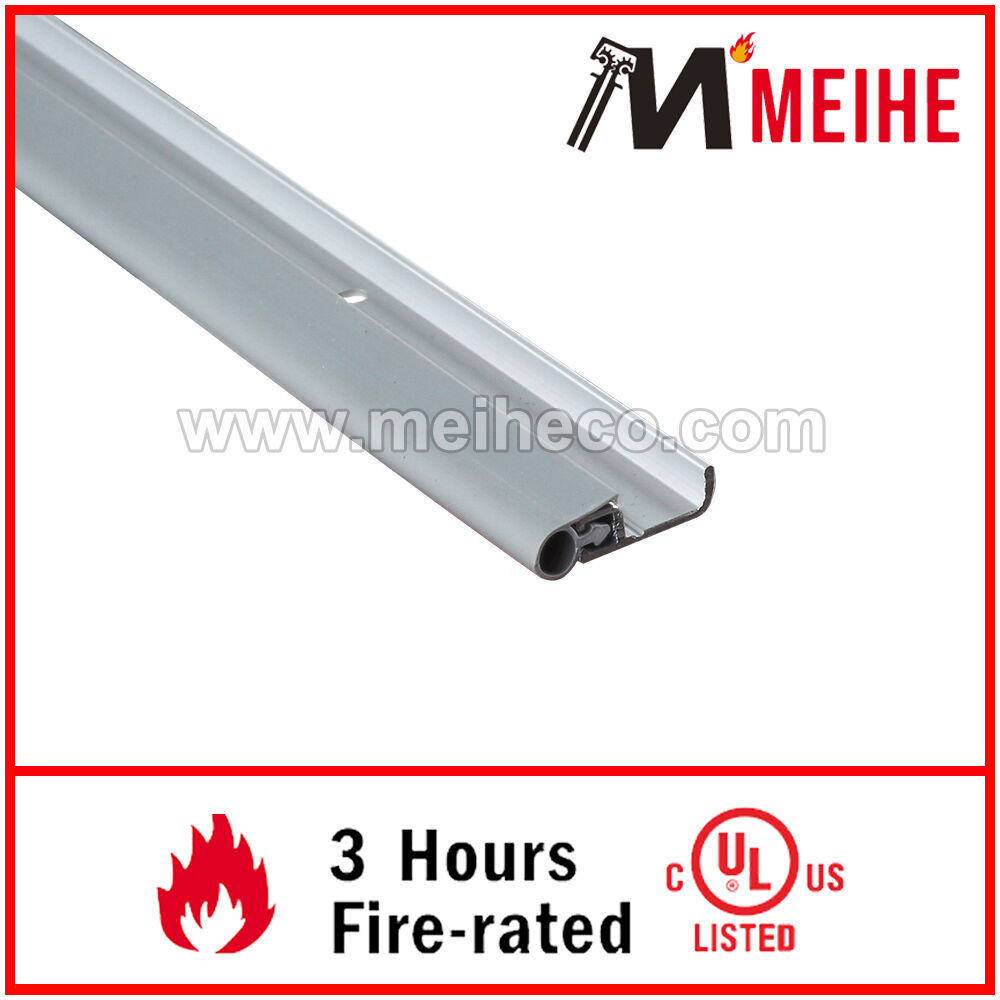
Energy efficiency has become a critical concern for homeowners and building managers seeking to reduce utility costs while maintaining comfortable indoor environments. One often overlooked component that significantly impacts energy performance is weather stripping, which serves as the primary barrier against air infiltration around doors and windows. The cost differential between various weather stripping materials raises important questions about whether budget-conscious choices might compromise long-term energy savings and overall building performance.
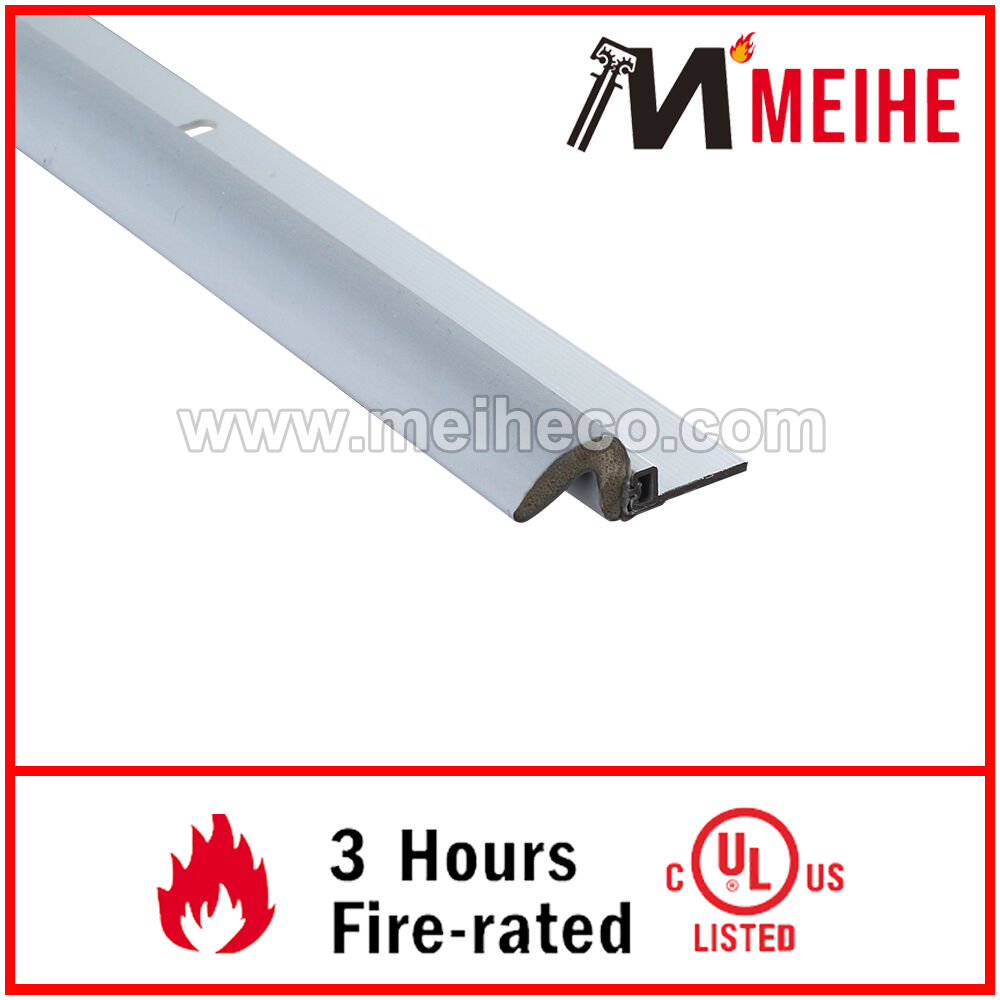
The relationship between material costs and energy efficiency in weather stripping applications is more complex than simple price comparisons might suggest. While premium materials often deliver superior performance characteristics, the specific application requirements, environmental conditions, and expected service life must all factor into cost-effectiveness calculations. Understanding how different weather stripping materials perform under various conditions helps building professionals make informed decisions that balance initial investment with long-term energy savings.
Understanding Weather Stripping Material Classifications
Foam-Based Weather Stripping Systems
Foam weather stripping represents the most economical option available in the market, typically manufactured from open-cell or closed-cell polyurethane materials. These products offer adequate sealing performance for basic applications but demonstrate limited durability under frequent compression cycles. The cellular structure of foam weather stripping provides reasonable insulation properties, though the material tends to lose elasticity over time when exposed to temperature fluctuations and UV radiation.
The installation simplicity of foam weather stripping makes it attractive for residential applications where ease of replacement compensates for shorter service life. However, the porous nature of some foam formulations can allow moisture infiltration, potentially leading to mold growth in humid environments. Building professionals must evaluate whether the lower initial cost justifies the increased maintenance requirements and potential indoor air quality concerns associated with deteriorating foam weather stripping materials.
Rubber and Elastomeric Compounds
Rubber-based weather stripping encompasses various elastomeric compounds including EPDM, neoprene, and silicone formulations that offer enhanced durability compared to foam alternatives. These materials maintain flexibility across wider temperature ranges while providing superior resistance to ozone, UV radiation, and chemical exposure. The higher material costs associated with rubber weather stripping often translate to extended service life and more consistent sealing performance over time.
Advanced rubber formulations incorporate specific additives that enhance energy efficiency through improved thermal conductivity characteristics and reduced air permeability. The density variations available in rubber weather stripping allow customization for specific pressure requirements, ensuring optimal contact between sealing surfaces. While initial investment costs are higher, the reduced replacement frequency and maintained sealing effectiveness often result in superior long-term cost performance compared to lower-grade alternatives.
Energy Performance Impact of Material Selection
Air Infiltration Control Mechanisms
The primary function of weather stripping involves creating an effective barrier against unwanted air movement between conditioned and unconditioned spaces. Material properties such as compression set resistance, recovery rate, and surface conformability directly influence sealing effectiveness under varying pressure differentials. Low-cost materials may initially provide adequate sealing but often demonstrate rapid performance degradation under normal operating conditions.
The compressive strength characteristics of different weather stripping materials determine their ability to maintain consistent contact pressure against irregular sealing surfaces. Inferior materials may compress permanently, creating air gaps that allow significant energy loss through infiltration. Testing data indicates that even small air leaks can account for substantial energy waste, particularly in climate-controlled environments where temperature differentials create strong pressure gradients across building envelope components.
Thermal Bridging Considerations
Weather stripping materials with poor thermal properties can create thermal bridges that facilitate unwanted heat transfer between interior and exterior environments. The thermal conductivity of sealing materials becomes particularly important in high-performance building applications where minimizing thermal bridging is essential for achieving energy efficiency targets. Low-cost metallic weather stripping components may provide excellent durability but create significant thermal pathways that compromise overall building performance.
Advanced weather stripping systems incorporate thermal breaks and low-conductivity materials to minimize thermal bridging effects while maintaining structural integrity. The additional material costs associated with thermally broken weather stripping systems often justify themselves through reduced heating and cooling loads, particularly in extreme climate applications. Building energy modeling demonstrates that thermal bridge elimination can result in measurable improvements in overall building energy performance ratings.
Durability Factors Affecting Long-Term Costs
Environmental Degradation Mechanisms
Weather stripping materials face continuous exposure to environmental stressors including temperature cycling, UV radiation, moisture, and mechanical wear from repeated compression and relaxation cycles. Low-cost materials often utilize base polymers and additives that provide minimal resistance to these degradation mechanisms, resulting in rapid performance deterioration and frequent replacement requirements. The cumulative cost impact of premature material failure extends beyond replacement expenses to include labor costs and potential energy losses during periods of compromised sealing.
Material science advances have produced weather stripping formulations with enhanced resistance to environmental degradation through improved polymer chemistry and protective additive systems. These premium materials maintain sealing effectiveness for extended periods while resisting common failure modes such as hardening, cracking, and dimensional instability. The investment in durable weather stripping materials typically generates positive returns through reduced maintenance requirements and sustained energy efficiency performance.
Mechanical Wear Resistance
The mechanical properties of weather stripping materials determine their ability to withstand repeated compression cycles without permanent deformation or surface damage. High-traffic applications subject sealing materials to frequent mechanical stress that can quickly compromise the integrity of inferior products. Tear resistance, abrasion resistance, and fatigue strength characteristics become critical performance indicators for weather stripping applications in demanding service environments.
Professional-grade weather stripping materials incorporate reinforcement elements and advanced polymer structures designed to resist mechanical wear while maintaining sealing effectiveness. The higher initial costs associated with wear-resistant materials often prove economical when evaluated against the total cost of ownership, including replacement frequency and associated labor expenses. Performance testing demonstrates that premium weather stripping materials can deliver service life extensions of several times compared to economy alternatives.
Installation Quality and Material Performance
Surface Preparation Requirements
The effectiveness of weather stripping systems depends heavily on proper surface preparation and installation techniques that ensure optimal contact between sealing materials and mating surfaces. Low-cost weather stripping materials often require more precise installation procedures to achieve acceptable performance levels, potentially offsetting initial cost savings through increased labor requirements. Surface irregularities, contamination, and improper adhesive application can significantly compromise sealing effectiveness regardless of material selection.
Premium weather stripping materials typically offer greater tolerance for installation variations while maintaining effective sealing performance across a wider range of surface conditions. The conformability characteristics of high-quality materials enable effective sealing despite minor surface imperfections, reducing installation time and improving overall system reliability. Building professionals must consider both material costs and installation complexity when evaluating the total cost implications of different weather stripping options.
Dimensional Stability Considerations
Weather stripping materials must maintain consistent dimensions across varying temperature and humidity conditions to ensure reliable sealing performance throughout seasonal changes. Low-cost materials often exhibit significant dimensional instability that can create gaps during thermal expansion or excessive compression during contraction cycles. These dimensional variations directly impact energy efficiency by creating intermittent air leakage paths that compromise building envelope performance.
Engineered weather stripping materials incorporate stabilizing additives and controlled polymer structures that minimize dimensional changes across typical service temperature ranges. The investment in dimensionally stable materials provides consistent energy performance regardless of seasonal variations, ensuring that energy efficiency calculations remain valid throughout the service life of the installation. Long-term monitoring data confirms that dimensional stability directly correlates with sustained energy savings over time.
Cost-Benefit Analysis Methodologies
Life Cycle Cost Evaluation
Comprehensive cost analysis of weather stripping materials must incorporate initial purchase price, installation costs, maintenance requirements, replacement frequency, and energy impact over the expected service life of the building envelope system. Simple payback calculations based solely on material costs fail to capture the true economic impact of material selection decisions. Life cycle cost methodologies provide more accurate assessments by incorporating all relevant cost factors and energy savings projections.
Energy modeling software can quantify the annual energy savings associated with different weather stripping performance levels, enabling calculation of net present value for various material options. The results often demonstrate that premium weather stripping materials generate positive returns through reduced energy consumption and extended service life, even when initial costs are substantially higher than economy alternatives. Building owners increasingly recognize that total cost of ownership provides more meaningful economic guidance than initial purchase price comparisons.
Risk Assessment Integration
Material selection decisions should incorporate risk assessment considerations including potential failure consequences, replacement accessibility, and performance reliability under extreme conditions. Low-cost weather stripping materials may present acceptable risk profiles for easily accessible applications with minimal failure consequences, while critical applications require higher-performance materials despite increased costs. Risk-adjusted cost analysis provides a framework for making appropriate material selections based on specific application requirements.
The potential energy losses associated with weather stripping failure can significantly exceed the cost differential between premium and economy materials, particularly in high-performance building applications. Quantifying these risk factors enables building professionals to make informed decisions that balance cost considerations with performance reliability requirements. Insurance and warranty provisions may also favor premium materials that demonstrate proven reliability in similar applications.
FAQ
How much energy can poor quality weather stripping waste annually
Poor quality weather stripping can increase heating and cooling costs by 10-20% annually through air infiltration and thermal bridging effects. In a typical residential application, this translates to hundreds of dollars in unnecessary energy expenses, often exceeding the cost differential between economy and premium weather stripping materials within the first year of service. The cumulative impact over multiple years can reach thousands of dollars in wasted energy costs.
What is the typical service life difference between low-cost and premium weather stripping materials
Economy weather stripping materials typically require replacement every 2-4 years under normal conditions, while premium materials can provide effective service for 8-15 years or longer. The extended service life of quality materials reduces both replacement costs and the cumulative energy losses that occur during periods of compromised sealing effectiveness. This service life differential often makes premium materials more cost-effective despite higher initial investment requirements.
Can weather stripping material selection affect indoor air quality
Yes, weather stripping material selection can significantly impact indoor air quality through several mechanisms. Low-quality materials may emit volatile organic compounds during service life, while porous materials can harbor mold growth in humid conditions. Additionally, ineffective sealing allows unfiltered outdoor air infiltration that can introduce pollutants, allergens, and moisture into conditioned spaces, potentially creating health concerns for building occupants.
How do climate conditions influence weather stripping material performance and cost effectiveness
Climate conditions dramatically affect weather stripping performance, with extreme temperatures, UV exposure, and humidity levels accelerating material degradation. Low-cost materials may perform adequately in mild climates but fail rapidly under harsh conditions, making premium materials more cost-effective in challenging environments. Climate-specific material selection ensures optimal performance while minimizing long-term costs associated with premature failure and energy waste.
Table of Contents
- Understanding Weather Stripping Material Classifications
- Energy Performance Impact of Material Selection
- Durability Factors Affecting Long-Term Costs
- Installation Quality and Material Performance
- Cost-Benefit Analysis Methodologies
-
FAQ
- How much energy can poor quality weather stripping waste annually
- What is the typical service life difference between low-cost and premium weather stripping materials
- Can weather stripping material selection affect indoor air quality
- How do climate conditions influence weather stripping material performance and cost effectiveness