
 EN
EN



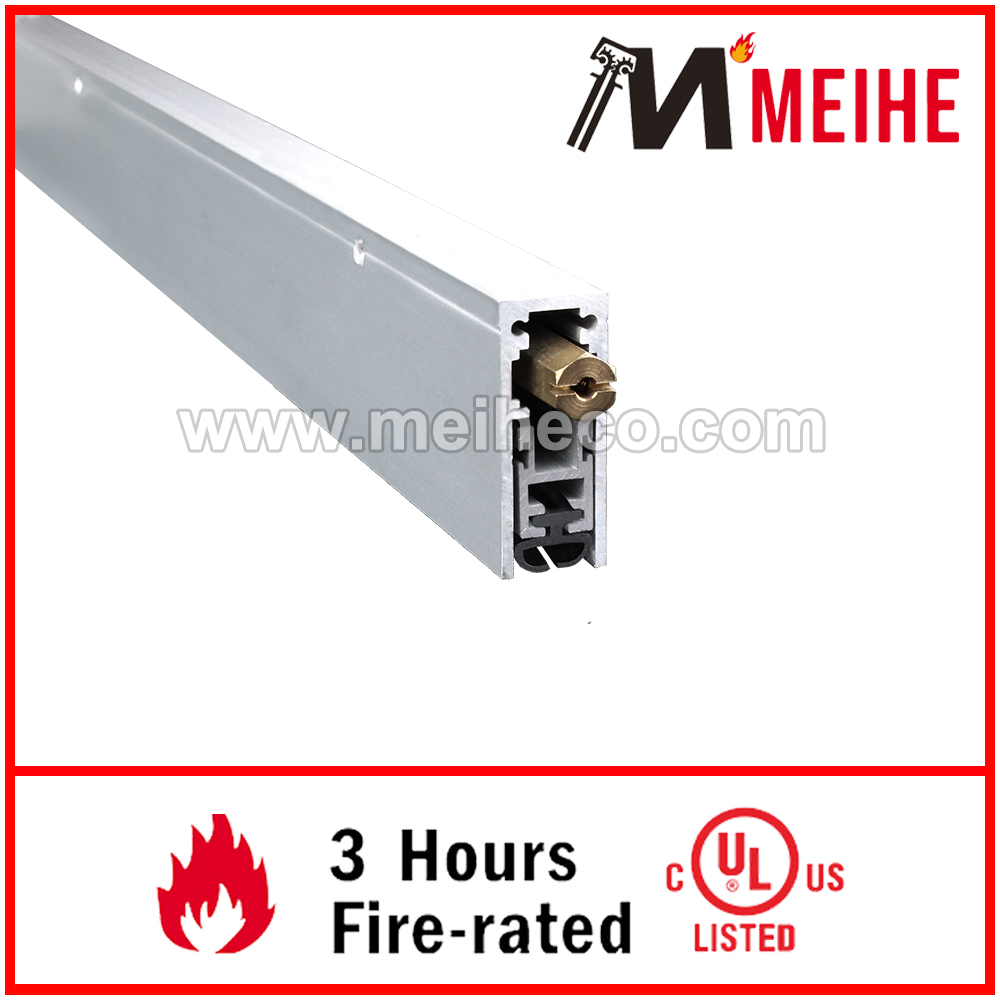
Proper installation practices are critical for maximizing the performance and longevity of an automatic door bottom system. These sophisticated weatherstripping mechanisms require precise positioning, appropriate tools, and careful attention to alignment details to function effectively. When installed correctly, an automatic door bottom creates an optimal seal that prevents air infiltration, reduces energy costs, and maintains comfortable indoor environments while operating seamlessly for years.
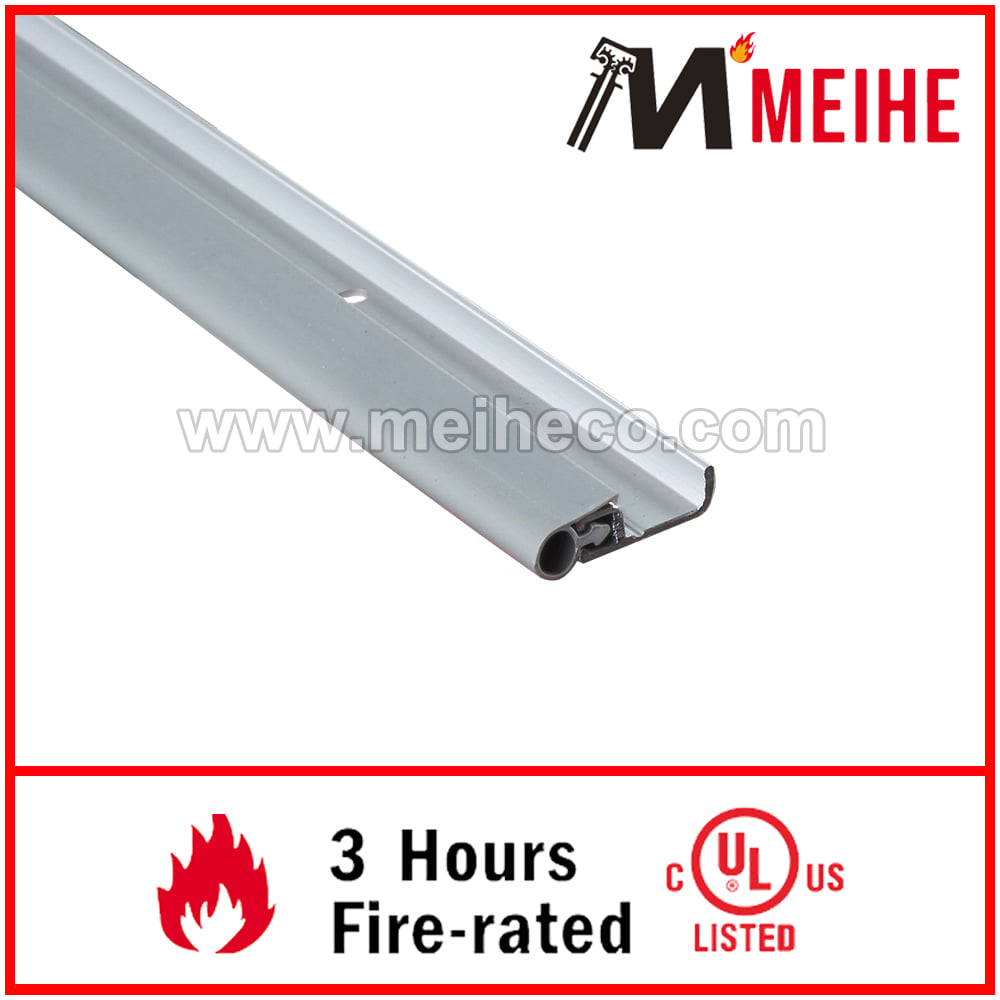
Understanding the fundamental mechanics behind automatic door bottom operation provides essential context for proper installation techniques. These systems utilize spring-loaded mechanisms that automatically lower a sealing strip when the door closes and retract it when the door opens. The precision required for this automated function demands meticulous installation procedures that account for door clearances, floor irregularities, and operational tolerances.
Professional installers recognize that successful automatic door bottom implementation extends beyond simple mounting procedures. The process involves comprehensive assessment of door conditions, selection of appropriate hardware configurations, and systematic execution of proven installation protocols. Each step in the installation sequence contributes to the overall effectiveness of the weatherstripping system and its ability to deliver consistent performance throughout its operational lifespan.
Pre-Installation Assessment and Planning
Door Frame Evaluation and Measurements
Thorough evaluation of door frame conditions establishes the foundation for successful automatic door bottom installation. Installers must examine door thickness, frame material, and structural integrity to determine appropriate mounting methods and hardware selection. Accurate measurements of door width, thickness variations, and clearance requirements ensure proper component sizing and positioning for optimal system performance.
Frame assessment includes checking for warping, damage, or irregularities that could affect automatic door bottom operation. Any structural issues should be addressed before installation to prevent future operational problems. Door swing clearances must be verified to ensure adequate space for the automatic mechanism without interference from floor surfaces, thresholds, or adjacent architectural elements.
Professional measurement techniques involve multiple reference points along the door width to account for potential variations in frame alignment. These comprehensive measurements guide proper positioning of mounting brackets and ensure uniform contact pressure across the entire sealing surface when the automatic door bottom engages with the floor.
Floor Surface Analysis and Preparation
Floor surface conditions directly impact automatic door bottom sealing effectiveness and operational longevity. Installers must evaluate surface flatness, material composition, and any irregularities that could interfere with proper sealing contact. Uneven floors may require adjustment mechanisms or shimming to achieve consistent seal engagement across the door width.
Surface preparation often involves cleaning the floor area where the automatic door bottom will make contact, removing debris, adhesive residue, or other contaminants that could prevent effective sealing. Different floor materials may require specific preparation techniques to ensure optimal adhesion and wear characteristics for the sealing components.
Documentation of floor conditions helps determine appropriate seal material selection and adjustment requirements. Some automatic door bottom systems offer multiple seal options designed for specific floor types, requiring careful matching of seal characteristics to surface conditions for maximum effectiveness and durability.
Installation Sequence and Mounting Procedures
Mounting Bracket Positioning and Attachment
Proper mounting bracket positioning forms the cornerstone of effective automatic door bottom installation. Brackets must be precisely aligned to ensure smooth operation and prevent binding or premature wear of moving components. Installation typically begins with marking bracket positions according to manufacturer specifications, accounting for door thickness and frame geometry.
Mounting hardware selection depends on door material and construction methods. Solid wood doors may accept standard wood screws, while hollow core doors require special fasteners or reinforcement plates to distribute mounting loads effectively. Metal doors often use self-tapping screws or through-bolts depending on door construction and accessibility requirements.
Professional installation techniques include pilot hole drilling to prevent door damage and ensure accurate fastener placement. Bracket alignment tools help maintain proper positioning during installation, preventing operational issues that could arise from misaligned mounting points. Each bracket must be firmly secured while maintaining precise alignment with adjacent brackets for smooth automatic door bottom operation.
Mechanism Assembly and Adjustment
Automatic door bottom mechanism assembly requires careful attention to component orientation and operational clearances. The spring-loaded actuation system must be properly tensioned and aligned to ensure reliable operation throughout the door's service life. Installation procedures typically involve connecting actuating linkages, adjusting spring tension, and verifying smooth operation through the complete cycle.
Adjustment procedures fine-tune the automatic door bottom response to door movement and optimize sealing contact pressure. These adjustments account for door weight, closing speed, and floor surface characteristics to achieve optimal performance. Proper adjustment ensures the sealing strip extends fully when the door closes and retracts completely when opened.
Testing procedures verify correct mechanism operation and identify any adjustments needed for optimal performance. Multiple door cycles help confirm consistent operation and proper seal engagement. Any binding, irregular movement, or incomplete extension requires immediate attention to prevent operational problems and ensure effective weathersealing.
Sealing Performance Optimization
Contact Pressure Calibration
Optimal sealing performance from an automatic door bottom depends on achieving proper contact pressure between the seal and floor surface. Insufficient pressure allows air infiltration, while excessive pressure causes premature wear and operational difficulties. Calibration procedures involve adjusting mechanism tension and positioning to achieve consistent contact across the entire door width.
Pressure calibration techniques include visual inspection of seal contact patterns and testing for air leakage around the perimeter. Professional installers use specialized tools to measure contact pressure and ensure uniform distribution. These measurements guide fine-tuning adjustments that optimize sealing effectiveness while preserving component longevity.
Environmental factors such as temperature variations and humidity changes can affect seal performance over time. Initial calibration procedures should account for these variables and include provisions for seasonal adjustments. Some automatic door bottom systems incorporate self-adjusting mechanisms that maintain optimal contact pressure despite environmental changes.
Gap Elimination and Air Infiltration Prevention
Effective gap elimination requires comprehensive attention to all potential air leakage paths around the automatic door bottom installation. Side gaps between the mechanism and door frame must be sealed using appropriate weatherstripping materials. Top gaps where the automatic door bottom meets existing door weatherstripping require careful integration to maintain continuous sealing.
Professional installation techniques include testing for air leakage using smoke pencils or electronic leak detection equipment. These tools identify areas where additional sealing measures may be required to achieve optimal performance. Gap elimination extends beyond the primary sealing surface to include mounting areas and connection points.
Integration with existing door weatherstripping systems requires careful planning to avoid interference while maintaining effective sealing. Some automatic door bottom installations may require modification of existing weatherstripping to accommodate the new system while preserving overall door sealing performance.
Quality Control and Performance Verification
Operational Testing Protocols
Comprehensive operational testing ensures automatic door bottom systems perform according to specifications and provide reliable long-term service. Testing protocols include multiple door cycles to verify consistent mechanism operation, seal extension and retraction, and proper contact with floor surfaces. These tests identify any operational irregularities that require adjustment or correction.
Performance verification involves measuring sealing effectiveness through air leakage testing and thermal imaging where appropriate. Professional testing equipment can quantify the automatic door bottom contribution to overall door sealing performance and identify areas requiring additional attention. Documentation of test results provides baseline performance data for future maintenance activities.
Durability testing simulates extended use conditions to verify proper installation and component selection. Repeated cycling tests help identify potential wear points or adjustment needs before the system enters regular service. These proactive measures prevent premature failures and ensure consistent automatic door bottom performance.
Final Adjustments and Calibration
Final adjustment procedures fine-tune automatic door bottom operation based on testing results and performance observations. These adjustments may include spring tension modifications, position changes, or seal replacement to optimize system performance. Professional installers use systematic approaches to identify and implement necessary adjustments efficiently.
Calibration procedures establish optimal operating parameters for the specific installation conditions. These parameters account for door weight, usage patterns, and environmental factors that affect automatic door bottom operation. Proper calibration ensures reliable performance while minimizing maintenance requirements throughout the system's service life.
Documentation of final adjustments provides valuable information for future maintenance and troubleshooting activities. Installation records should include adjustment settings, performance test results, and any special considerations for the particular installation. This documentation supports effective ongoing maintenance and helps identify patterns that could indicate developing issues.
Maintenance Integration and Long-Term Performance
Preventive Maintenance Planning
Successful automatic door bottom installations include comprehensive maintenance planning that begins during the installation process. Maintenance schedules should account for usage levels, environmental conditions, and manufacturer recommendations to ensure continued optimal performance. Regular maintenance prevents minor issues from developing into major problems that could compromise sealing effectiveness.
Maintenance planning involves establishing inspection intervals, identifying critical wear points, and developing procedures for routine adjustments. Professional maintenance programs often include automatic door bottom systems as part of comprehensive building envelope maintenance to ensure coordinated attention to all weathersealing components.
Training building maintenance personnel on proper automatic door bottom care and basic troubleshooting helps identify issues early and prevents damage from improper handling. Simple maintenance tasks such as cleaning and visual inspection can be performed by building staff, while more complex adjustments require professional attention.
Performance Monitoring and Optimization
Ongoing performance monitoring helps identify changes in automatic door bottom effectiveness and guides maintenance decisions. Monitoring programs may include periodic air leakage testing, visual inspection of wear patterns, and operational assessments to ensure continued optimal performance. These activities help maximize system longevity and maintain energy efficiency benefits.
Performance optimization involves analyzing operating data and environmental conditions to identify opportunities for improvement. Seasonal adjustments may be necessary to account for temperature and humidity variations that affect seal performance. Professional optimization services help maintain peak automatic door bottom effectiveness throughout changing conditions.
Technology integration allows remote monitoring of automatic door bottom performance in some advanced installations. Sensor systems can track operational cycles, detect unusual patterns, and alert maintenance personnel to developing issues. These capabilities support proactive maintenance approaches that prevent unexpected failures and maintain consistent performance.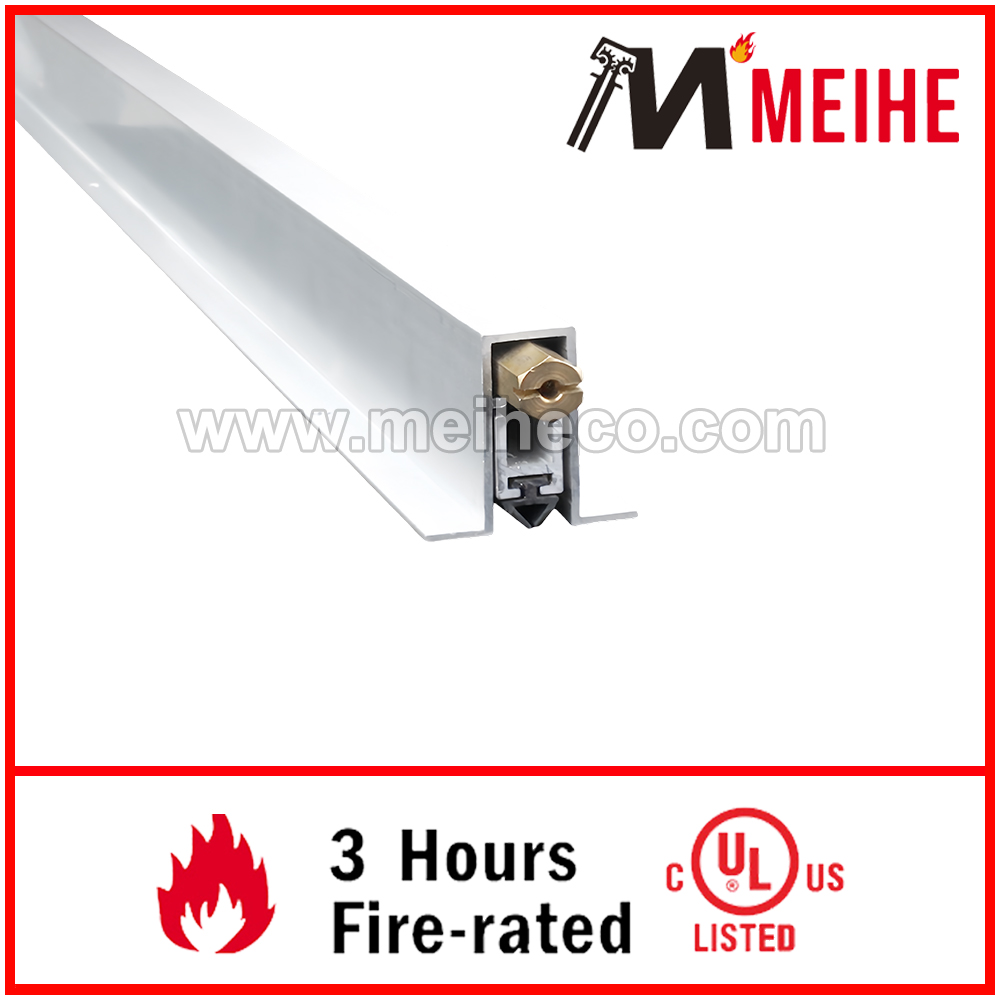
FAQ
What tools are essential for professional automatic door bottom installation
Professional automatic door bottom installation requires specific tools including precision measuring devices, drill bits appropriate for door materials, screwdrivers or drivers matching fastener requirements, and alignment tools for accurate positioning. Specialty tools may include air leakage detection equipment, pressure measurement devices, and spring tension adjustment tools. Quality installation also benefits from having various fastener types available to accommodate different door constructions and mounting requirements.
How do you determine the correct automatic door bottom size for a specific door
Correct automatic door bottom sizing requires accurate measurement of door width, thickness, and clearance requirements. The system must accommodate the full door width while providing adequate sealing coverage and operational clearances. Door thickness determines mounting bracket selection and positioning requirements. Professional sizing also considers floor surface variations, door swing patterns, and integration requirements with existing weatherstripping systems to ensure optimal fit and performance.
What are the most common installation errors that affect automatic door bottom performance
Common installation errors include improper bracket alignment leading to operational binding, inadequate fastener selection causing mounting failures, and incorrect adjustment resulting in poor sealing or premature wear. Insufficient floor surface preparation can prevent effective sealing, while improper spring tension adjustment affects operational reliability. Failure to account for door variations and environmental factors during installation often leads to performance issues that require costly corrections and adjustments.
How long should a properly installed automatic door bottom system last
A properly installed automatic door bottom system typically provides reliable service for 10 to 15 years under normal usage conditions with appropriate maintenance. Service life depends on usage frequency, environmental conditions, door weight, and maintenance quality. Heavy-duty installations with frequent door cycles may require component replacement sooner, while light-duty applications often exceed expected service life. Regular maintenance and prompt attention to adjustment needs significantly extend automatic door bottom operational life and maintain optimal sealing performance throughout the service period.
Table of Contents
- Pre-Installation Assessment and Planning
- Installation Sequence and Mounting Procedures
- Sealing Performance Optimization
- Quality Control and Performance Verification
- Maintenance Integration and Long-Term Performance
-
FAQ
- What tools are essential for professional automatic door bottom installation
- How do you determine the correct automatic door bottom size for a specific door
- What are the most common installation errors that affect automatic door bottom performance
- How long should a properly installed automatic door bottom system last