
 EN
EN



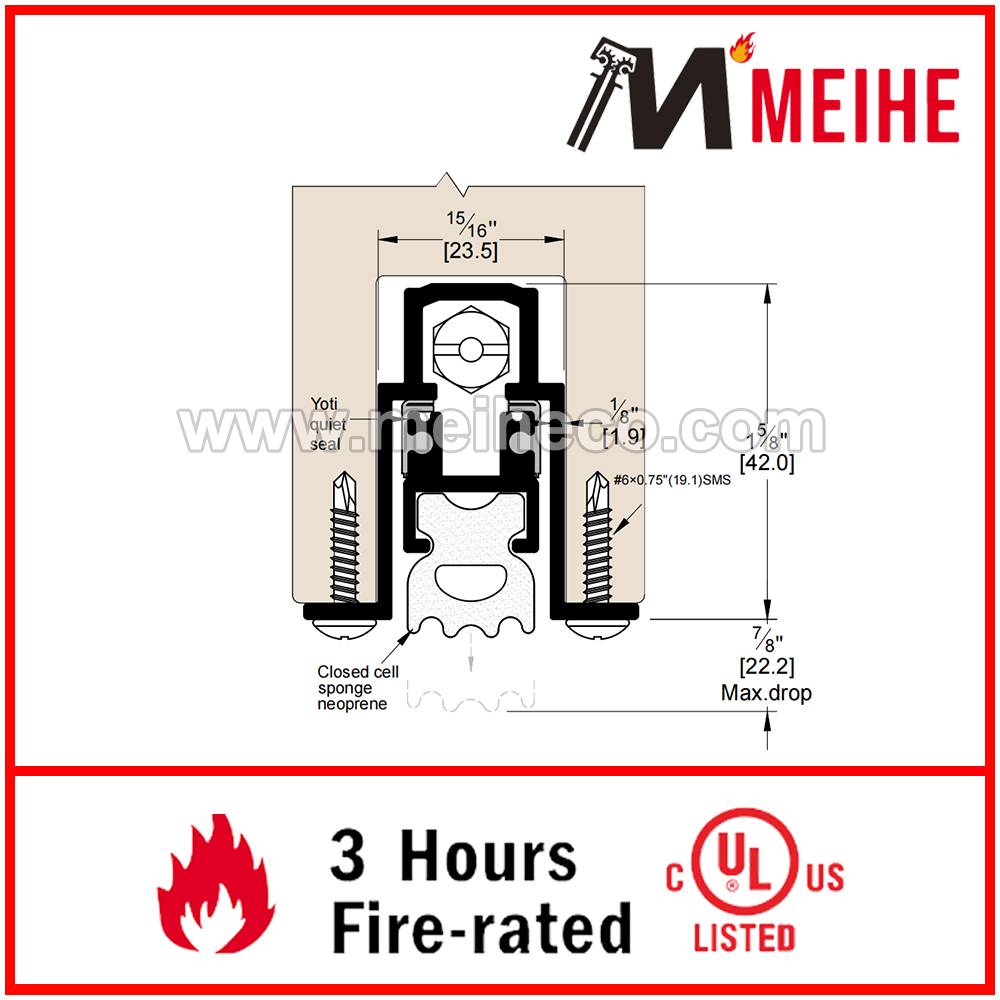
Building professionals and facility managers frequently encounter challenges with door sealing systems, particularly when dealing with uneven flooring surfaces. An automatic door bottom represents a sophisticated solution that adapts to varying floor conditions while maintaining consistent environmental barriers. These innovative sealing mechanisms automatically adjust their position based on door movement, creating effective seals regardless of minor floor irregularities or settling that occurs over time.
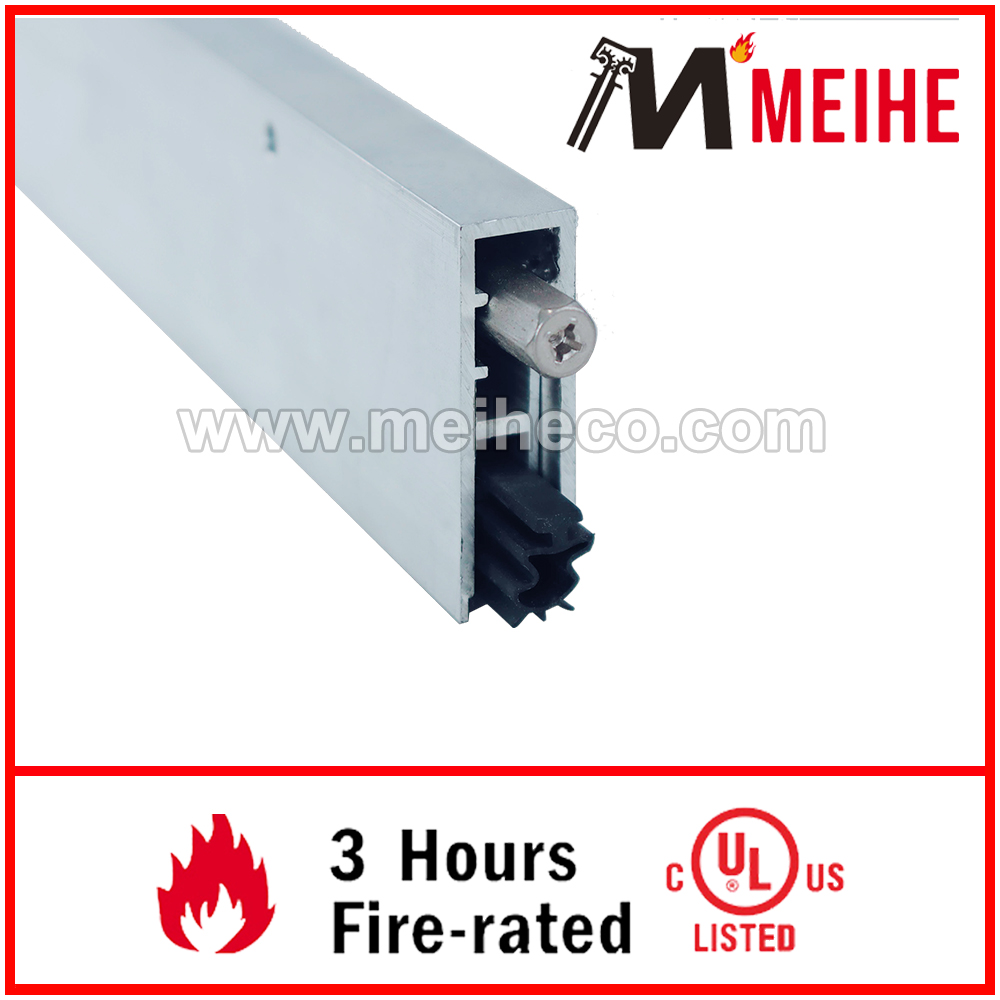
Uneven flooring presents unique challenges in commercial and residential applications, where traditional weatherstripping often fails to maintain adequate contact with surfaces. Modern automatic door bottom systems incorporate spring-loaded mechanisms and adjustable components that compensate for floor variations up to several millimeters. This adaptability ensures consistent performance across diverse installation environments, from aged concrete surfaces to recently installed flooring with minor imperfections.
The engineering behind these systems involves precise calibration of tension springs and contact materials that respond dynamically to door operation. When doors close, the automatic door bottom extends downward to create a seal, while opening triggers retraction to prevent dragging or premature wear. This automated response mechanism distinguishes these systems from static weatherstripping solutions that cannot adapt to changing floor conditions over time.
Understanding Floor Irregularities and Their Impact
Common Types of Floor Variations
Commercial buildings often experience floor settling that creates subtle variations in surface elevation across doorway thresholds. Concrete slabs may develop slight depressions or raised areas due to soil movement, temperature fluctuations, or structural loading changes over years of use. These variations, typically measuring between one and five millimeters, can significantly compromise the effectiveness of standard door sealing systems.
Renovation projects frequently encounter mismatched flooring heights where new materials meet existing surfaces. Carpet installations, tile work, and hardwood flooring may create step-downs or elevated transitions that challenge traditional weatherstripping systems. An automatic door bottom addresses these irregularities by maintaining consistent contact pressure regardless of minor elevation changes along the door sweep path.
Expansion joint movement in large commercial spaces creates dynamic floor conditions that static sealing systems cannot accommodate effectively. Seasonal temperature changes cause building materials to expand and contract, resulting in subtle floor movements that require flexible sealing solutions. Advanced automatic door bottom systems incorporate design features that accommodate these natural building movements while preserving sealing integrity.
Measurement and Assessment Techniques
Professional installers utilize precision measurement tools to evaluate floor variations before selecting appropriate sealing systems. Digital levels and laser measurement devices can detect variations as small as half a millimeter, providing accurate data for system specification. These assessments help determine whether standard automatic door bottom models will suffice or if specialized adjustment mechanisms are necessary.
Documentation of floor conditions throughout the door swing arc ensures comprehensive understanding of sealing challenges. Measurements taken at multiple points along the door path reveal patterns of irregularity that influence system selection and installation procedures. This thorough assessment approach prevents post-installation performance issues and ensures optimal sealing effectiveness.
Long-term monitoring of floor conditions helps building managers anticipate maintenance needs and potential system adjustments. Regular measurements can identify gradual settling or movement trends that may require recalibration of automatic door bottom mechanisms. This proactive approach extends system lifespan and maintains consistent environmental performance over time.
Adaptive Mechanisms in Modern Door Bottom Systems
Spring-Loaded Adjustment Features
Contemporary automatic door bottom designs incorporate sophisticated spring mechanisms that provide consistent downward pressure while accommodating floor irregularities. These springs are calibrated to maintain optimal contact force across varying surface conditions, ensuring effective sealing without excessive friction that could impede door operation. The spring tension can often be adjusted during installation to match specific floor conditions and performance requirements.
Dual-spring configurations offer enhanced adaptability for applications with significant floor variations or heavy-duty usage requirements. These systems utilize primary springs for basic operation and secondary springs for additional pressure compensation when encountering raised areas or debris. This redundant design approach ensures reliable sealing performance even under challenging conditions that might compromise single-spring systems.
Advanced automatic door bottom models feature adjustable spring housings that allow field modification of tension settings without complete system replacement. This adjustability proves valuable in applications where floor conditions change over time or where initial calibration requires fine-tuning after installation. Professional installers can optimize these settings to achieve ideal performance for specific environmental conditions.
Material Selection and Contact Design
The contact strip materials used in automatic door bottom systems must balance flexibility with durability to maintain effective sealing across uneven surfaces. High-quality rubber compounds provide the flexibility needed to conform to minor surface irregularities while resisting wear from repeated contact cycles. Some systems incorporate multiple durometer materials that offer varying degrees of flexibility along the contact strip length.
Reinforced contact strips feature internal support structures that prevent excessive deformation while maintaining surface conformability. These designs utilize flexible cores surrounded by durable outer materials that resist cutting and tearing from rough floor surfaces. The combination provides long-term reliability in demanding applications where floor conditions include abrasive materials or sharp edges.
Specialized contact geometries optimize sealing effectiveness across different floor types and irregularity patterns. Curved profiles accommodate drainage channels or slight depressions, while angular designs work effectively with raised thresholds or expansion joint covers. The geometry selection depends on specific floor conditions identified during pre-installation assessment procedures.
Installation Considerations for Uneven Floors
Pre-Installation Assessment Protocols
Successful automatic door bottom installation begins with comprehensive floor condition documentation using professional-grade measurement equipment. Installers must map elevation variations along the entire door swing path, noting areas where irregularities exceed standard tolerance ranges. This mapping process identifies locations requiring special attention during installation and helps determine appropriate system configuration settings.
Environmental factors such as drainage patterns, temperature zones, and traffic flow influence installation planning for automatic door bottom systems. Areas prone to water accumulation may require enhanced sealing pressure, while high-traffic zones need systems calibrated for frequent operation cycles. These considerations affect both hardware selection and adjustment procedures during installation.
Coordination with other building systems ensures compatibility and optimal performance of automatic door bottom installations. Fire safety systems, access control hardware, and architectural elements must be considered when planning installation procedures. This comprehensive approach prevents conflicts that could compromise system effectiveness or building code compliance.
Calibration and Fine-Tuning Procedures
Initial calibration of automatic door bottom systems requires systematic adjustment of tension settings and contact positions to match identified floor conditions. Professional installers follow manufacturer protocols while making field adjustments based on actual performance observations. This process typically involves multiple test cycles to verify optimal sealing effectiveness across the full range of floor variations.
Performance verification procedures include leak testing under various pressure conditions to ensure adequate sealing across uneven floor surfaces. These tests utilize smoke pencils, pressure differentials, or acoustic methods to identify areas where sealing may be compromised. Any deficiencies discovered during testing trigger additional calibration adjustments to achieve specified performance levels.
Documentation of final calibration settings provides valuable reference information for future maintenance and adjustment needs. Installation records should include spring tension settings, contact strip positions, and performance test results for each automatic door bottom system. This documentation supports troubleshooting efforts and helps optimize maintenance scheduling for long-term system reliability.
Performance Benefits in Challenging Floor Conditions
Energy Efficiency Improvements
Proper sealing of door openings with automatic door bottom systems significantly reduces energy losses in buildings with uneven flooring conditions. These systems maintain consistent contact with floor surfaces regardless of minor irregularities, preventing air infiltration that can increase heating and cooling costs. Studies indicate that effective door sealing can reduce energy consumption by up to fifteen percent in commercial applications with challenging floor conditions.
The adaptive nature of automatic door bottom mechanisms ensures sustained energy performance even as floor conditions change over time. Unlike static weatherstripping that may lose effectiveness due to building settling or wear, these systems continuously adjust to maintain optimal sealing contact. This sustained performance provides long-term energy savings that justify the initial investment in quality sealing systems.
Integration with building automation systems allows automatic door bottom performance to be monitored and optimized for maximum energy efficiency. Smart building technologies can track sealing effectiveness and alert facility managers to potential maintenance needs before energy performance degrades. This proactive approach maximizes the energy benefits of automatic door bottom installations throughout their service life.
Environmental Control and Comfort
Effective door sealing with automatic door bottom systems improves indoor environmental quality by preventing infiltration of outdoor pollutants, dust, and moisture. In buildings with uneven flooring, traditional sealing methods often create gaps that allow environmental contaminants to enter occupied spaces. Advanced automatic door bottom designs eliminate these gaps through continuous adjustment to floor surface variations.
Sound transmission control benefits significantly from proper door sealing, particularly in applications where floor irregularities might compromise acoustic barriers. Automatic door bottom systems maintain consistent contact that effectively blocks sound transmission through door undercuts. This acoustic performance proves especially valuable in office environments, educational facilities, and healthcare applications where noise control is critical.
Moisture control improvements help prevent mold growth and structural damage in buildings with challenging floor conditions. Consistent sealing prevents water infiltration during weather events and reduces humidity transfer between different building zones. These moisture control benefits contribute to healthier indoor environments and reduced maintenance costs over time.
Maintenance and Longevity Considerations
Preventive Maintenance Protocols
Regular maintenance of automatic door bottom systems ensures continued effectiveness in dealing with uneven floor conditions throughout their service life. Inspection schedules should include evaluation of spring tension, contact strip condition, and overall mechanism operation. These inspections help identify potential issues before they compromise sealing performance or require costly emergency repairs.
Cleaning procedures for automatic door bottom systems must address debris accumulation that can interfere with proper operation on uneven floors. Accumulated dirt, sand, and other particles can prevent smooth mechanism operation and accelerate component wear. Specialized cleaning techniques preserve system functionality while removing contaminants that might compromise sealing effectiveness.
Lubrication of moving components follows manufacturer specifications to ensure smooth operation and prevent premature wear. The frequency of lubrication may need adjustment based on environmental conditions and usage patterns in applications with challenging floor conditions. Proper lubrication extends component life and maintains consistent automatic door bottom performance over time.
Component Replacement and Upgrades
Contact strip replacement represents the most common maintenance requirement for automatic door bottom systems operating on uneven floors. Wear patterns may develop unevenly due to floor irregularities, requiring selective replacement or system recalibration. High-quality replacement components ensure continued performance and may offer improved materials compared to original installations.
Spring mechanism replacement or adjustment may become necessary as buildings settle and floor conditions evolve over time. Professional service technicians can evaluate spring performance and recommend modifications to maintain optimal sealing contact. These adjustments help extend overall system life while ensuring continued effectiveness in challenging floor applications.
Technology upgrades offer opportunities to improve automatic door bottom performance in buildings with evolving floor conditions. Newer systems may incorporate advanced materials, improved adjustment mechanisms, or enhanced durability features that provide superior performance compared to older installations. Strategic upgrade decisions can improve building performance while reducing long-term maintenance requirements.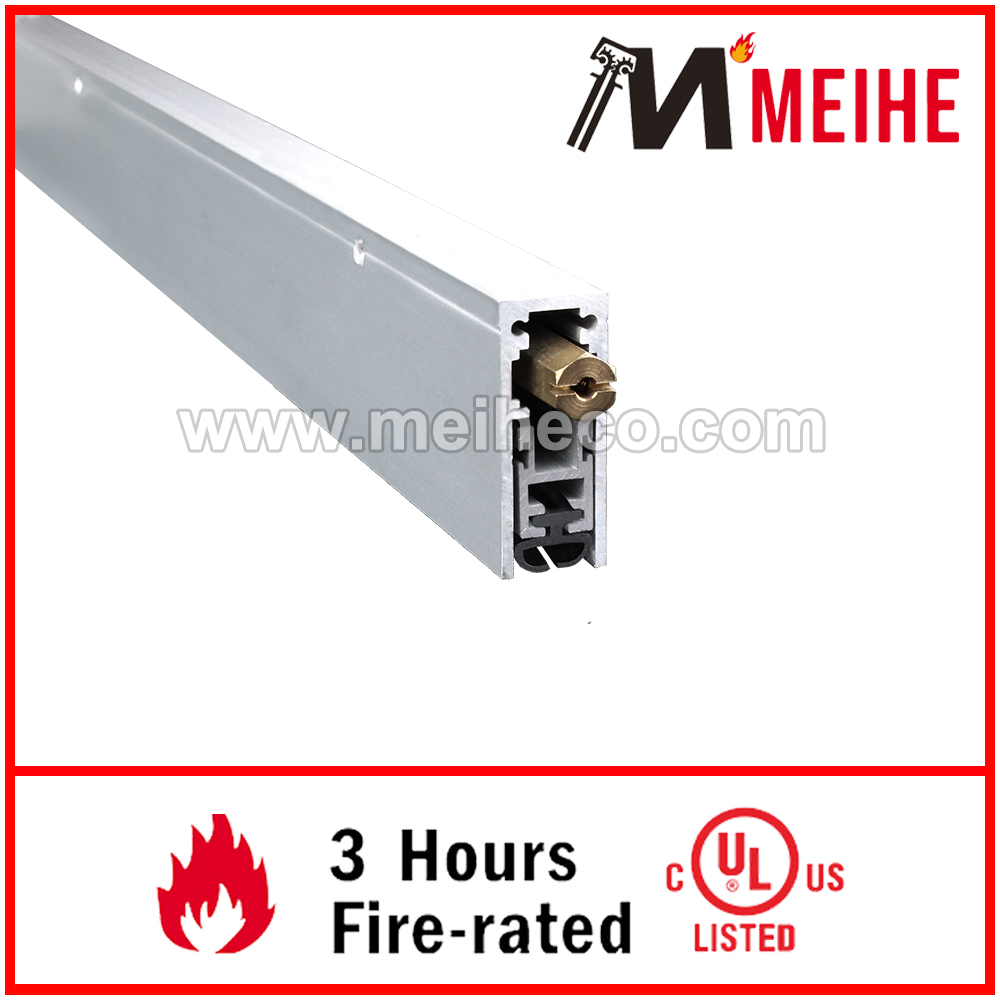
FAQ
How much floor variation can automatic door bottom systems accommodate
Most quality automatic door bottom systems can accommodate floor variations of up to 6-8 millimeters while maintaining effective sealing contact. Advanced models with enhanced adjustment mechanisms may handle variations up to 12 millimeters in some applications. The specific accommodation range depends on system design, spring configuration, and contact strip flexibility. Professional assessment of floor conditions helps determine if standard systems will suffice or if specialized high-adjustment models are needed for extreme conditions.
What maintenance frequency is recommended for automatic door bottoms on uneven floors
Automatic door bottom systems operating on uneven floors typically require inspection every 6-12 months, with more frequent attention in high-traffic or challenging environments. Regular cleaning should occur monthly or as needed based on debris accumulation patterns. Contact strip replacement may be needed every 2-5 years depending on usage intensity and floor conditions. Lubrication of mechanical components should follow manufacturer recommendations, typically every 12-18 months for standard applications.
Can automatic door bottom systems be retrofitted to existing doors with floor issues
Most automatic door bottom systems can be successfully retrofitted to existing doors, even those with challenging floor conditions. Retrofitting requires careful measurement of available door thickness and clearance requirements. Some modifications to door preparation may be necessary to accommodate the system hardware. Professional installation is recommended to ensure proper fit and calibration for specific floor conditions. The retrofit process typically takes 2-4 hours per door depending on system complexity and required modifications.
Do automatic door bottoms affect door operation on uneven floors
Properly installed and calibrated automatic door bottom systems should not significantly impact door operation, even on uneven floors. The systems are designed to retract during door opening to prevent dragging or resistance. Some users may notice a slight change in door feel due to the additional mechanism weight, but this typically does not interfere with normal operation. Quality systems include adjustment features that allow fine-tuning of operation characteristics to match user preferences and specific floor conditions.
Table of Contents
- Understanding Floor Irregularities and Their Impact
- Adaptive Mechanisms in Modern Door Bottom Systems
- Installation Considerations for Uneven Floors
- Performance Benefits in Challenging Floor Conditions
- Maintenance and Longevity Considerations
-
FAQ
- How much floor variation can automatic door bottom systems accommodate
- What maintenance frequency is recommended for automatic door bottoms on uneven floors
- Can automatic door bottom systems be retrofitted to existing doors with floor issues
- Do automatic door bottoms affect door operation on uneven floors