
 EN
EN



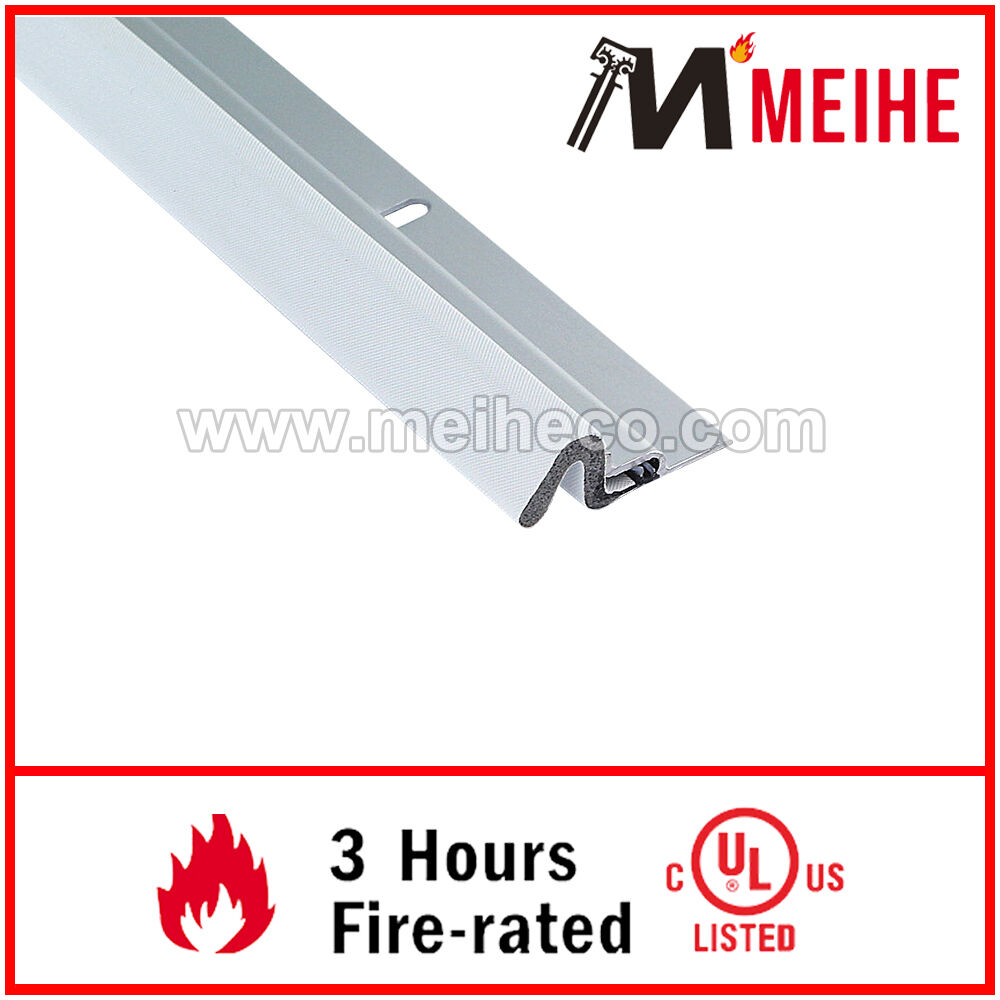
Modern office environments face increasing challenges with noise control, particularly in open-plan spaces where sound travels freely between areas. One often overlooked solution for improving acoustic performance involves the strategic use of weather stripping around office doors. This versatile sealing material, traditionally associated with energy efficiency, offers significant benefits for sound dampening and creating quieter workspaces. Professional acousticians and facility managers are discovering that proper weather stripping installation can dramatically reduce noise transmission through door gaps, leading to more productive and comfortable work environments.
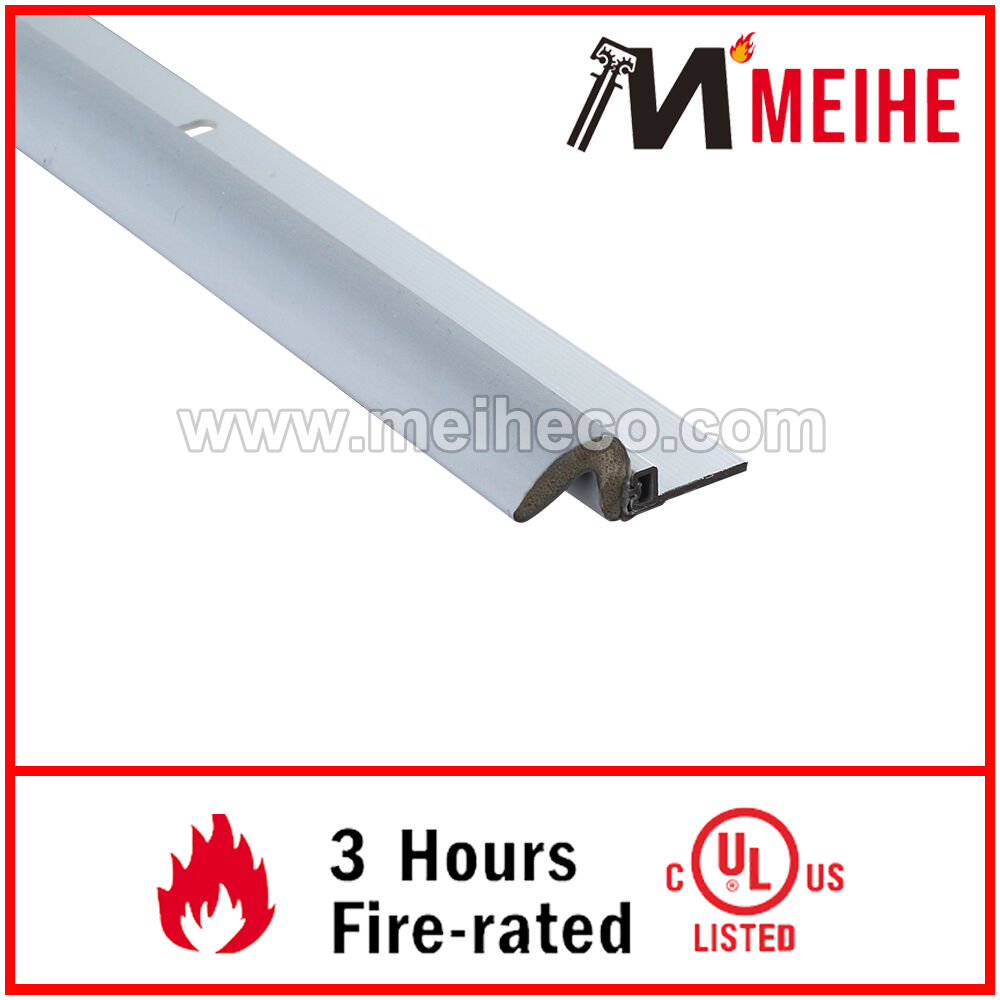
Understanding the Acoustic Properties of Weather Stripping
Sound Transmission Through Door Systems
Sound waves travel through the path of least resistance, making door perimeters critical vulnerability points in acoustic design. Standard office doors typically feature gaps ranging from one-eighth to one-quarter inch around their entire perimeter, creating substantial pathways for noise transmission. These openings allow sound to bypass even the most acoustically rated door panels, reducing overall performance significantly. Weather stripping addresses this issue by creating continuous seals that block sound transmission pathways.
The effectiveness of weather stripping in acoustic applications depends on material density, compression characteristics, and installation quality. Dense materials like EPDM rubber and specialized acoustic foams provide superior sound absorption compared to standard felt or vinyl strips. Professional installations ensure consistent compression across the entire door perimeter, eliminating potential sound leaks that could compromise overall performance.
Material Science Behind Sound Dampening
Different weather stripping materials exhibit varying acoustic properties based on their molecular structure and physical characteristics. Closed-cell foam materials excel at blocking high-frequency sounds but may allow low-frequency transmission. Conversely, dense rubber compounds provide broad-spectrum sound attenuation across multiple frequency ranges. Understanding these material properties allows facility managers to select appropriate weather stripping solutions for specific acoustic challenges.
Modern weather stripping products incorporate advanced material technologies specifically designed for dual-purpose applications. These specialized formulations combine thermal sealing properties with enhanced acoustic performance, delivering comprehensive environmental control. Some products feature multi-layered construction with different materials optimized for specific frequency ranges, providing superior overall sound reduction compared to single-material solutions.
Implementation Strategies for Office Environments
Assessment and Planning Considerations
Successful acoustic weather stripping implementation begins with comprehensive noise assessment and door system evaluation. Professional acousticians measure existing sound transmission levels, identify primary noise sources, and document current door gap dimensions. This baseline data enables targeted intervention strategies and provides measurable benchmarks for improvement tracking. Door frame condition, hardware compatibility, and traffic patterns all influence product selection and installation approaches.
Office layouts significantly impact weather stripping effectiveness, with conference rooms, executive offices, and quiet zones requiring different acoustic performance levels. High-traffic areas may need more durable weather stripping materials that maintain sealing properties despite frequent door operations. Emergency egress requirements and accessibility compliance also influence product selection, ensuring that acoustic improvements do not compromise safety or regulatory adherence.
Installation Techniques and Best Practices
Proper weather stripping installation requires precise measurement, appropriate tool selection, and attention to compression ratios. Professional installers typically use specialized gauges to ensure consistent gap dimensions and appropriate seal compression. Over-compression can damage weather stripping materials and create operational difficulties, while under-compression allows sound transmission and reduces acoustic effectiveness. Quality installations maintain uniform contact pressure across the entire door perimeter.
Door threshold sealing presents unique challenges in office environments, balancing acoustic performance with wheelchair accessibility and aesthetic considerations. Modern threshold weather stripping systems incorporate adjustable features that accommodate different flooring heights while maintaining continuous seals. These systems often include automatic door bottoms that engage when doors close, providing superior acoustic isolation without permanent threshold modifications.
Performance Benefits and Measurable Outcomes
Quantifying Acoustic Improvements
Professional acoustic testing demonstrates that properly installed weather stripping can reduce sound transmission through door systems by 15 to 25 decibels across various frequency ranges. These improvements translate to significant noise reduction in real-world applications, with conference rooms experiencing dramatically improved speech privacy and office spaces achieving better concentration environments. Sound level meters provide objective measurements that document improvement levels and justify investment costs.
Long-term performance monitoring reveals that quality weather stripping maintains acoustic effectiveness over extended periods with proper maintenance. Regular inspection and replacement schedules ensure consistent performance levels and prevent degradation that could compromise sound control. Most commercial-grade weather stripping products provide reliable service for three to five years in typical office applications, delivering excellent return on investment through sustained acoustic benefits.
Complementary Acoustic Strategies
Weather stripping performs most effectively as part of comprehensive acoustic design strategies that address multiple noise transmission pathways. Ceiling systems, wall constructions, and HVAC design all influence overall acoustic performance, with weather stripping serving as a critical component in integrated solutions. Professional acoustic consultants often recommend weather stripping upgrades alongside other improvements to achieve optimal results.
Sound masking systems and acoustic treatment materials work synergistically with weather stripping to create superior acoustic environments. While weather stripping blocks sound transmission, acoustic panels and sound masking address reflected noise and ambient sound levels. This multi-faceted approach delivers comprehensive noise control that addresses various acoustic challenges simultaneously, creating more comfortable and productive work environments.
Cost-Benefit Analysis and ROI Considerations
Investment Requirements and Budget Planning
Weather stripping represents one of the most cost-effective acoustic improvement strategies available to facility managers, with material costs typically ranging from five to fifteen dollars per linear foot for quality products. Professional installation services add labor costs but ensure optimal performance and longevity. Compared to major architectural modifications or specialized acoustic construction, weather stripping provides substantial acoustic benefits at relatively modest investment levels.
Bulk procurement strategies and phased implementation approaches can reduce overall project costs while delivering incremental benefits. Many facilities prioritize high-impact areas like conference rooms and executive offices for initial weather stripping installation, then expand to additional areas based on performance results and budget availability. This approach allows organizations to realize immediate benefits while managing capital expenditure requirements.
Productivity and Satisfaction Benefits
Enhanced acoustic environments created through weather stripping installation deliver measurable productivity improvements and increased employee satisfaction. Research studies indicate that reduced noise distraction can improve concentration levels by 20 to 30 percent in office environments. Conference room speech privacy improvements enhance meeting effectiveness and confidentiality, while reduced noise transmission between offices creates more professional and comfortable work settings.
Employee retention and recruitment benefits provide additional value beyond direct productivity improvements. Modern professionals increasingly prioritize workplace quality and comfort when evaluating employment opportunities. Acoustic comfort ranks highly among workplace satisfaction factors, making weather stripping investment a valuable component of comprehensive workplace improvement strategies. These benefits contribute to reduced turnover costs and enhanced organizational competitiveness in talent markets.
Maintenance and Longevity Considerations
Preventive Maintenance Protocols
Effective weather stripping maintenance programs ensure sustained acoustic performance and maximize product lifespan. Regular visual inspections identify compression set, tear damage, and adhesive failure before these issues compromise acoustic effectiveness. Facility maintenance teams should document weather stripping condition during routine door hardware inspections, creating systematic maintenance schedules that prevent performance degradation.
Cleaning procedures and environmental factors significantly influence weather stripping longevity and performance. Dust accumulation, chemical exposure, and temperature fluctuations can affect material properties and sealing effectiveness. Appropriate cleaning products and techniques remove contaminants without damaging weather stripping materials, while environmental monitoring helps identify conditions that may accelerate wear patterns or require material upgrades.
Replacement Strategies and Upgrade Opportunities
Strategic replacement planning allows organizations to maintain consistent acoustic performance while incorporating technological improvements and material advances. Weather stripping technology continues evolving, with new formulations offering enhanced durability, improved acoustic properties, and better aesthetic integration. Replacement schedules should consider both performance degradation and upgrade opportunities to ensure optimal long-term results.
Documentation systems that track weather stripping performance, replacement dates, and cost data enable informed decision-making about product selection and maintenance intervals. This information helps facility managers optimize replacement timing, evaluate different product performance levels, and justify budget allocations for acoustic improvement projects. Systematic approaches ensure consistent quality and performance across all building areas.
FAQ
How much noise reduction can weather stripping provide for office doors
Properly installed weather stripping typically reduces sound transmission through office doors by 15 to 25 decibels across various frequency ranges. This represents a significant improvement in acoustic isolation, making conversations and activities in adjacent rooms much less audible. The exact reduction depends on door construction, weather stripping material quality, and installation precision. Conference rooms and private offices experience the most noticeable improvements, with enhanced speech privacy and reduced distraction levels.
What types of weather stripping work best for acoustic applications
Dense rubber compounds like EPDM and specialized acoustic foam materials provide superior sound dampening compared to standard felt or vinyl weather stripping. Multi-layered products that combine different materials for specific frequency ranges offer optimal performance. Closed-cell foam excels at blocking high-frequency sounds, while dense rubber provides broad-spectrum attenuation. Professional-grade products designed for dual thermal and acoustic performance deliver the best overall results in office environments.
How long does weather stripping maintain its acoustic effectiveness
Quality commercial-grade weather stripping typically maintains effective acoustic performance for three to five years in standard office applications. Performance longevity depends on material quality, installation precision, door usage frequency, and maintenance practices. Regular inspection and cleaning help maximize lifespan, while systematic replacement schedules ensure consistent acoustic benefits. High-traffic doors may require more frequent replacement, while private offices and conference rooms often achieve longer service intervals.
Can weather stripping installation affect door operation or safety compliance
Professional weather stripping installation should not impair door operation or compromise safety requirements when properly designed and executed. Correct compression ratios ensure smooth door operation while maintaining effective seals. Emergency egress specifications and accessibility compliance requirements influence product selection and installation approaches. Adjustable threshold systems and automatic door bottoms provide excellent acoustic performance without permanent modifications that could affect compliance or functionality.