
 EN
EN



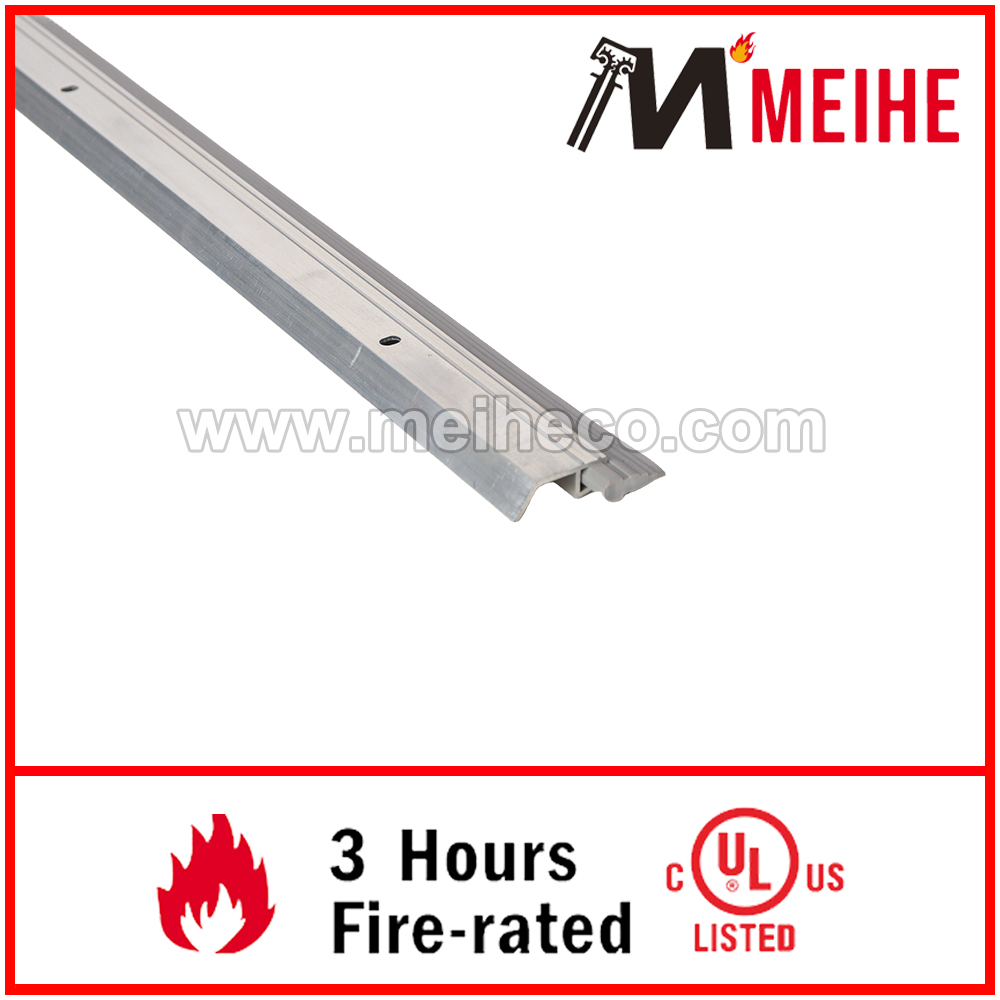
Exterior doors face constant exposure to weather elements, making effective moisture protection essential for maintaining structural integrity and indoor comfort. A properly installed door bottom seal serves as the primary defense against water infiltration, preventing costly damage while enhancing energy efficiency. Understanding how these critical components function helps property owners make informed decisions about weatherproofing their buildings and maintaining optimal environmental control.
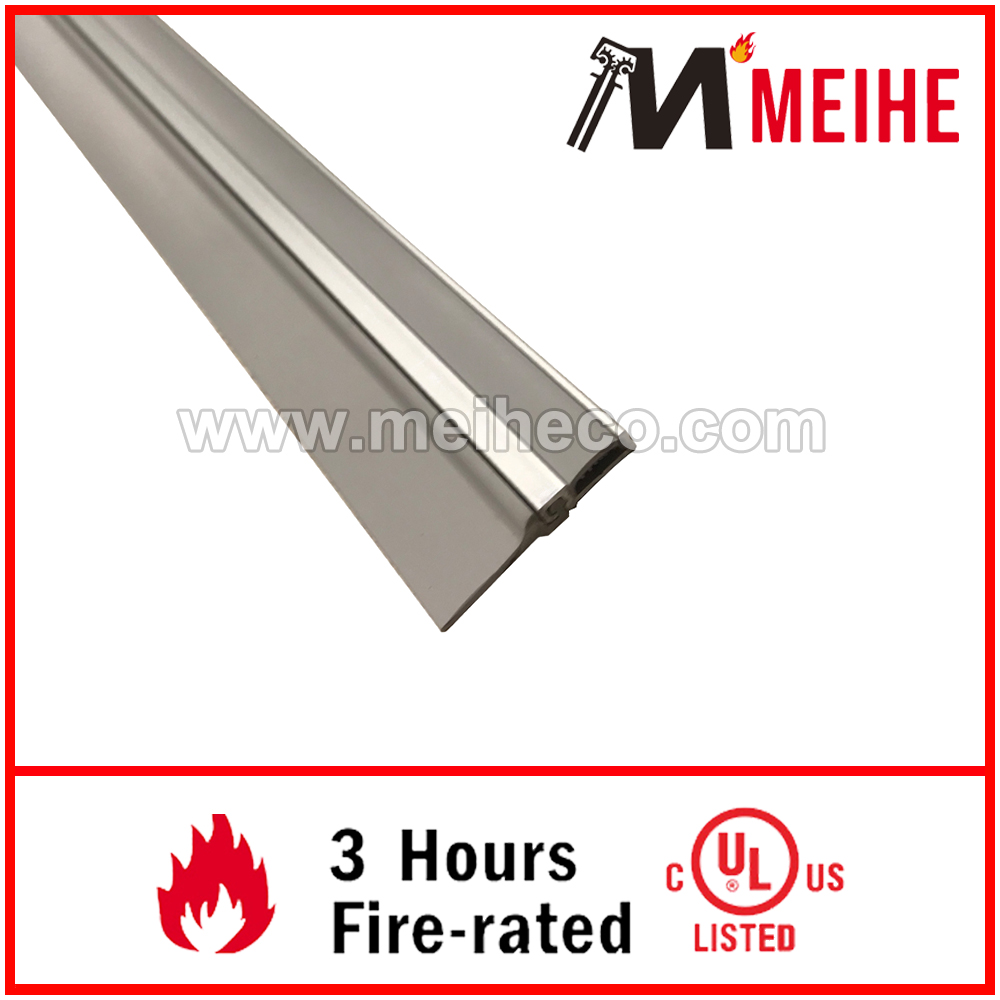
Modern construction practices emphasize comprehensive sealing systems that work together to create impermeable barriers against moisture intrusion. The door bottom seal represents a crucial component in this integrated approach, addressing the vulnerable gap where doors meet thresholds. Professional installers recognize that even minor gaps at door bottoms can compromise entire weatherization efforts, leading to significant energy losses and potential water damage over time.
Understanding Door Bottom Seal Technology
Material Composition and Design Principles
Contemporary door bottom seal manufacturing utilizes advanced polymer compounds engineered specifically for weather resistance and durability. These materials maintain flexibility across extreme temperature ranges while providing consistent compression recovery after repeated door operations. High-performance seals incorporate multiple durometer zones, featuring softer contact surfaces for superior sealing combined with firmer backing structures for dimensional stability.
The geometric profile of effective door bottom seal designs maximizes surface contact while minimizing operational friction. Advanced profiles feature multiple sealing lips that create redundant barriers against moisture penetration. Engineers carefully balance compression requirements with door closing forces, ensuring reliable sealing without compromising user convenience or hardware longevity.
Quality door bottom seal products undergo rigorous testing protocols that simulate years of environmental exposure and mechanical cycling. These evaluations assess compression set resistance, weathering performance, and dimensional stability under varying temperature and humidity conditions. Manufacturers utilize accelerated aging tests to predict long-term performance characteristics and validate material selections for specific applications.
Installation Configuration Options
Professional installation methods for door bottom seal systems vary depending on door construction, threshold design, and performance requirements. Surface-mounted configurations provide straightforward installation while maintaining accessibility for maintenance and replacement. Mortised installations create cleaner aesthetics by recessing seal components into door edges, though requiring more precise machining and fitting procedures.
Adjustable door bottom seal mechanisms accommodate variations in threshold height and door settling over time. These systems feature sliding or rotating components that maintain optimal contact pressure as building conditions change. Spring-loaded designs automatically adjust to minor dimensional variations while providing consistent sealing performance throughout seasonal temperature cycles.
Integrated seal systems combine door bottom seal functionality with side and head sealing components for comprehensive perimeter protection. These coordinated systems ensure proper overlap and continuity between sealing elements, eliminating potential leak paths at corner transitions. Proper system integration requires careful attention to component compatibility and installation sequencing.
Moisture Barrier Performance Characteristics
Water Infiltration Prevention Methods
Effective door bottom seal designs create multiple defense mechanisms against water penetration, including direct contact barriers, drainage channels, and pressure equalization features. Primary sealing surfaces establish intimate contact with threshold components, forming continuous barriers that deflect surface water away from interior spaces. Secondary features manage water that bypasses initial barriers through controlled drainage and evaporation.
Hydrostatic pressure resistance becomes critical in applications where standing water may accumulate against door assemblies. Quality door bottom seal systems maintain sealing integrity under significant water pressure while preventing capillary action that could draw moisture through material interfaces. Advanced designs incorporate water-shedding geometries that actively direct moisture away from vulnerable sealing zones.
Wind-driven rain presents unique challenges that require specialized door bottom seal configurations capable of maintaining performance under dynamic pressure conditions. Aerodynamic profiles minimize pressure differentials that could force water through sealing interfaces. Flexible seal materials accommodate door movement and deflection while maintaining continuous contact under varying wind loads.
Vapor Transmission Control
Beyond liquid water exclusion, effective door bottom seal systems control moisture vapor transmission that can contribute to condensation and indoor air quality issues. Low-permeability seal materials limit vapor diffusion while maintaining necessary flexibility for mechanical operation. Proper vapor barrier continuity requires careful integration with adjacent building envelope components.
Temperature differential management influences vapor drive and condensation potential within door assemblies. Quality door bottom seal installations consider thermal bridging effects and incorporate appropriate insulation strategies. Vapor-permeable designs allow controlled moisture transfer in specific applications where complete vapor barriers might cause moisture accumulation problems.
Seasonal vapor drive patterns affect door bottom seal performance requirements throughout annual weather cycles. Winter heating conditions create outward vapor pressure, while summer cooling can reverse vapor flow direction. Effective sealing systems accommodate these dynamic conditions while maintaining consistent moisture protection performance.
Energy Efficiency and Comfort Benefits
Air Leakage Reduction Strategies
Properly functioning door bottom seal installations dramatically reduce air infiltration rates, contributing to significant energy savings and improved indoor comfort. Uncontrolled air leakage through door perimeters can account for substantial portions of total building energy losses, making effective sealing a critical component of comprehensive energy management strategies. Modern seal designs achieve air leakage rates well below industry standards while maintaining operational reliability.
Pressure testing protocols quantify air leakage performance across varying pressure differentials that simulate real-world wind conditions. Quality door bottom seal systems consistently achieve low leakage rates even under extreme pressure conditions. These performance characteristics translate directly into reduced HVAC equipment loads and lower operating costs throughout building lifecycles.
Integration with building automation systems allows door bottom seal performance monitoring and optimization based on real-time environmental conditions. Smart sealing systems can adjust compression forces and sealing configurations to maintain optimal performance while minimizing energy consumption. Advanced controls coordinate door sealing with HVAC operations for maximum efficiency.
Indoor Climate Stabilization
Consistent door bottom seal performance contributes to stable indoor temperature and humidity conditions by eliminating uncontrolled air exchange with exterior environments. This stability reduces HVAC system cycling and improves occupant comfort through elimination of drafts and temperature variations. Professional installations achieve measurable improvements in indoor environmental quality metrics.
Humidity control becomes more predictable and efficient when door bottom seal systems eliminate moisture infiltration pathways. Controlled moisture levels protect interior finishes and furnishings while supporting healthy indoor air quality. Effective sealing reduces dehumidification loads in humid climates and prevents excessive dryness in arid regions.
Sound transmission reduction represents an additional benefit of comprehensive door bottom seal installations. Quality sealing systems attenuate exterior noise transmission while preventing sound leakage from interior spaces. This acoustic performance enhancement contributes to improved privacy and reduced noise pollution in urban environments.
Selection and Specification Considerations
Performance Requirements Assessment
Successful door bottom seal selection requires thorough analysis of site-specific performance requirements including climate conditions, exposure levels, and operational demands. Coastal installations face salt spray and high humidity challenges that require specialized material formulations. Mountain locations experience extreme temperature variations and UV exposure that demand enhanced weathering resistance.
Traffic volume and usage patterns influence door bottom seal durability requirements and maintenance scheduling. High-traffic installations require robust designs capable of withstanding frequent operation cycles without performance degradation. Commercial applications may require fire-rated sealing systems that maintain emergency egress functionality while providing weather protection.
Building code compliance ensures door bottom seal installations meet minimum performance standards for energy efficiency and life safety. Regional variations in code requirements necessitate careful specification review and product selection. Professional designers coordinate sealing system specifications with overall building performance objectives and regulatory requirements.
Material and Design Options
Contemporary door bottom seal materials include EPDM rubber, thermoplastic elastomers, and advanced polymer composites, each offering distinct performance characteristics suited to specific applications. EPDM provides excellent weather resistance and temperature stability, while thermoplastic materials offer superior chemical resistance and processing flexibility. Composite formulations combine multiple material benefits for enhanced performance profiles.
Color and finish options allow door bottom seal installations to complement architectural aesthetics while maintaining functional performance. UV-stable pigment systems prevent fading and discoloration under prolonged sun exposure. Texture variations provide enhanced grip and wear resistance while contributing to overall design integration.
Modular door bottom seal systems accommodate various door configurations and installation requirements through interchangeable components. Standardized mounting systems simplify installation and maintenance procedures while ensuring consistent performance across multiple door assemblies. Custom configurations address unique architectural requirements and specialized performance needs.
Installation and Maintenance Best Practices
Professional Installation Procedures
Proper door bottom seal installation begins with accurate measurement and assessment of existing door and threshold conditions. Professional installers evaluate door alignment, threshold condition, and clearance requirements before selecting appropriate sealing solutions. Precise measurements ensure optimal fit and performance while avoiding operational interference or premature wear issues.
Surface preparation requirements vary depending on door bottom seal type and mounting method selected. Clean, smooth mounting surfaces ensure reliable adhesion and proper seal compression. Existing finishes may require removal or modification to accommodate new sealing components while maintaining aesthetic continuity and corrosion protection.
Quality control procedures during installation include fit verification, compression testing, and operational assessment to ensure proper door bottom seal function. Professional installers document installation details and provide maintenance recommendations for optimal long-term performance. Warranty coverage typically requires compliance with manufacturer installation specifications and procedures.
Maintenance and Replacement Strategies
Regular inspection schedules identify door bottom seal wear patterns and performance degradation before significant problems develop. Visual assessments reveal compression set, material cracking, and mounting hardware looseness that could compromise sealing effectiveness. Proactive maintenance prevents minor issues from escalating into costly repairs or energy losses.
Cleaning procedures for door bottom seal maintenance involve gentle methods that preserve material integrity while removing debris and contamination. Harsh chemicals and aggressive cleaning techniques can accelerate material degradation and reduce service life. Manufacturer recommendations provide specific guidance for cleaning products and procedures appropriate for different seal materials.
Replacement timing depends on performance requirements, wear patterns, and economic considerations. Preventive replacement before complete failure maintains consistent building envelope performance and avoids emergency repair situations. Planned replacement programs coordinate door bottom seal maintenance with other building system activities for operational efficiency and cost optimization.
FAQ
How long do door bottom seals typically last before requiring replacement
Quality door bottom seal installations typically provide 5-10 years of reliable service under normal operating conditions, though lifespan varies significantly based on environmental exposure, usage frequency, and material quality. Coastal or high-UV environments may require more frequent replacement, while protected installations in moderate climates often exceed expected service lives. Regular inspection and maintenance can extend operational life and identify replacement needs before performance degradation affects building envelope integrity.
What are the most common signs that a door bottom seal needs replacement
Visible compression set where the seal remains deformed after door opening, material cracking or hardening, and detectable air leakage around door perimeters indicate door bottom seal replacement needs. Light visibility beneath closed doors, increased energy costs, and difficulty maintaining indoor temperature suggest sealing system failure. Professional assessment can determine whether adjustment, partial replacement, or complete seal renewal provides the most cost-effective solution.
Can door bottom seals be installed on existing doors without modification
Many door bottom seal designs accommodate existing door installations through surface-mounted or minimally invasive attachment methods that require no door modification. However, optimal performance often benefits from minor adjustments such as threshold replacement, door trimming, or hardware modification. Professional evaluation determines the most appropriate installation approach based on door condition, clearance requirements, and performance objectives while maintaining structural integrity and operational reliability.
How do door bottom seals perform in extreme weather conditions
High-quality door bottom seal materials maintain flexibility and sealing performance across temperature ranges from -40°F to 180°F, though specific performance varies by material formulation and design. Extreme conditions may require specialized seal compounds and enhanced installation techniques to maintain reliable operation. Wind-driven rain, ice formation, and thermal cycling present the greatest challenges, requiring robust designs and proper installation to ensure consistent moisture barrier performance throughout severe weather events.