
 EN
EN



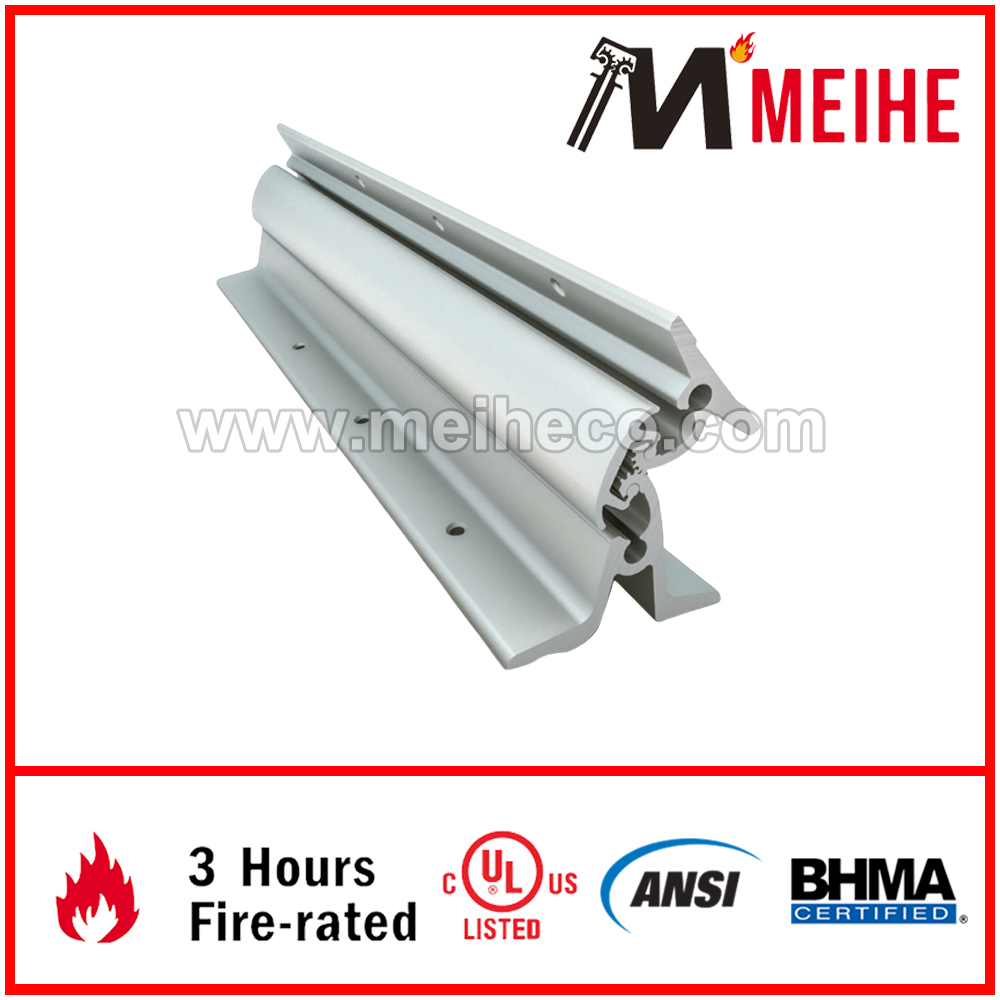
Understanding which door types require a continuous geared hinge is essential for architects, facility managers, and construction professionals who need to ensure proper door functionality and safety. A continuous geared hinge is a specialized hardware component designed to handle demanding applications where standard hinges cannot perform reliably. These hinges provide superior load capacity, smooth operation, and extended lifespan compared to conventional pin-type hinges. The selection of the right hinge type directly impacts building code compliance, user safety, and long-term maintenance costs.
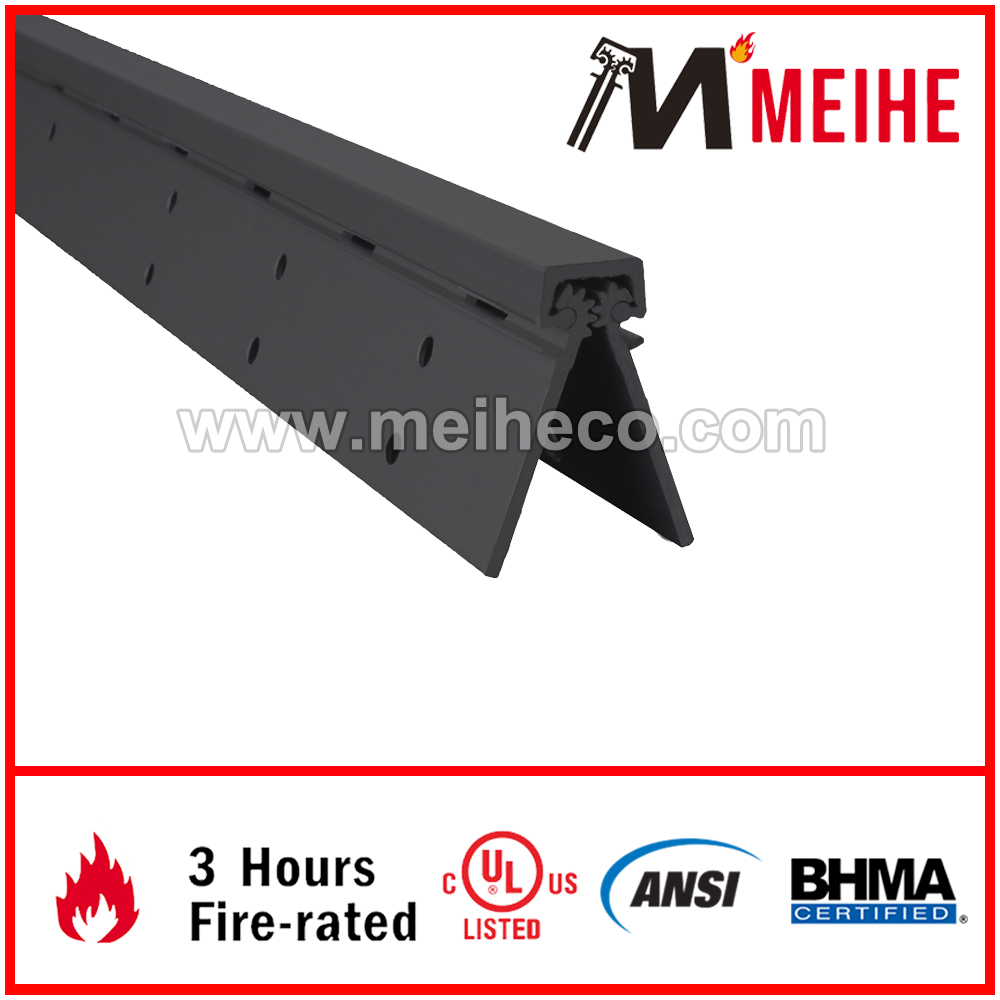
Heavy-duty doors in commercial and industrial facilities face constant use, significant weight, and environmental stress that demand specialized hinge systems. The continuous geared hinge represents a fundamental shift in door hardware engineering, offering capabilities that standard hinges simply cannot match. When you choose a continuous geared hinge, you invest in reliability, compliance, and operational efficiency that extends far beyond initial installation.
Heavy Commercial Entrance Doors
High-Traffic Building Access Points
Commercial entrance doors experience tens of thousands of cycles annually, making them prime candidates for a continuous geared hinge system. Office buildings, retail centers, and institutional facilities require door hardware that maintains consistent performance throughout the day and year after year. A continuous geared hinge distributes loads evenly across its entire length rather than concentrating stress on a few pivot points, significantly reducing wear and maintenance needs.
Standard hinges rely on small bearing surfaces that wear rapidly under continuous traffic. When you implement a continuous geared hinge in high-traffic applications, you reduce downtime, minimize replacement frequency, and improve user experience through smooth, reliable operation. The geared mechanism ensures that door weight is carried efficiently, preventing sagging and misalignment that plague ordinary hinge installations.
Fire-Rated and Safety-Critical Doors
Building codes mandate specific hardware requirements for fire-rated doors and emergency exit systems, and a continuous geared hinge often meets these stringent standards better than alternatives. Fire-rated doors must function reliably under extreme conditions and after exposure to heat, making the robust construction of a continuous geared hinge invaluable. These hinges support doors that must seal properly and close consistently to contain fire and smoke spread.
The continuous geared hinge also accommodates the additional weight and reinforcement materials typical in fire-rated door assemblies. When regulatory compliance and life safety are priorities, selecting a continuous geared hinge ensures your installation passes inspection and protects occupants effectively.
Industrial and Warehouse Doors
Large-Scale Loading and Dock Doors
Industrial loading dock doors rank among the most demanding applications for door hardware, requiring a continuous geared hinge to handle extreme weight and frequent operation. These doors often weigh hundreds or thousands of pounds and must open and close reliably multiple times daily in harsh environments. The continuous geared hinge provides the load capacity and durability necessary for this intensive use without premature failure or performance degradation.
Warehouse facilities depend on dock doors operating smoothly because delays interrupt logistics and increase operational costs. A continuous geared hinge maintains consistent function across seasonal temperature variations and exposure to moisture, dust, and chemical residues. Installing a continuous geared hinge in dock door systems eliminates unexpected failures that disrupt supply chains and compromise productivity.
Specialized Industrial Access Points
Manufacturing plants, cold storage facilities, and food processing environments demand hardware that withstands corrosive atmospheres and temperature extremes. A continuous geared hinge constructed from materials rated for these conditions outperforms standard hinges that corrode or become brittle. These specialized hinges maintain function in environments where regular hardware would fail within months.
Industrial safety regulations often specify hardware standards for equipment access doors and machinery enclosures, and a continuous geared hinge frequently satisfies these requirements. When door reliability directly impacts worker safety and regulatory compliance, choosing a continuous geared hinge is not optional but necessary.
Healthcare and Institutional Facilities
Hospital and Medical Facility Doors
Healthcare facilities require door hardware that meets stringent hygiene standards, infection control protocols, and accessibility regulations, making a continuous geared hinge an appropriate choice. Hospital doors experience frequent use from staff, patients, and equipment, requiring smooth, reliable operation without interruption. A continuous geared hinge supports heavy-duty automatic door systems and ensures compliance with Americans with Disabilities Act accessibility standards.
Sterile environments and operating rooms demand door hardware that can be cleaned thoroughly without compromising function. The sealed construction of a quality continuous geared hinge prevents contamination and maintains performance in rigorous sanitization protocols. Medical facilities that invest in a continuous geared hinge reduce maintenance emergencies and operational disruptions.
Educational and Institutional Access
Schools, universities, and government buildings house high-capacity doors that support emergency evacuation requirements and daily visitor flow. A continuous geared hinge ensures these doors function reliably during the intense usage patterns typical in institutional settings. Building administrators recognize that proper door hardware selection directly affects facility safety and operational efficiency.
Institutional facilities must comply with building codes that specifically address door closing speed, hold-open duration, and load capacity. A continuous geared hinge meets these technical specifications while providing the durability needed for budget-conscious facility management. Long-term cost of ownership favors the continuous geared hinge when calculated across maintenance and replacement cycles.
FAQ
What distinguishes a continuous geared hinge from standard pin hinges?
A continuous geared hinge distributes door weight across its entire length through a precision-engineered gear mechanism, whereas standard pin hinges concentrate load on a few bearing points. The continuous geared hinge provides superior load capacity, smoother operation, and extended service life in demanding applications. This design innovation makes the continuous geared hinge ideal for heavy doors and high-traffic installations where reliability is essential.
Can a continuous geared hinge be retrofitted to existing doors?
Retrofitting depends on the door configuration and existing hinge locations. In many cases, a continuous geared hinge can replace standard hinges if the door frame has compatible mounting provisions and sufficient thickness. Professional installation is recommended to ensure proper alignment and function. Consult with door hardware specialists to determine whether your existing doors can accommodate a continuous geared hinge upgrade.
Which building codes require continuous geared hinges?
Building codes do not universally mandate a continuous geared hinge but instead establish performance standards that these hinges help meet. Fire-rated doors, high-capacity entrances, and accessibility-compliant installations often require hardware specifications that align with continuous geared hinge capabilities. Local building officials and code administrators can clarify specific requirements for your project.