
 EN
EN



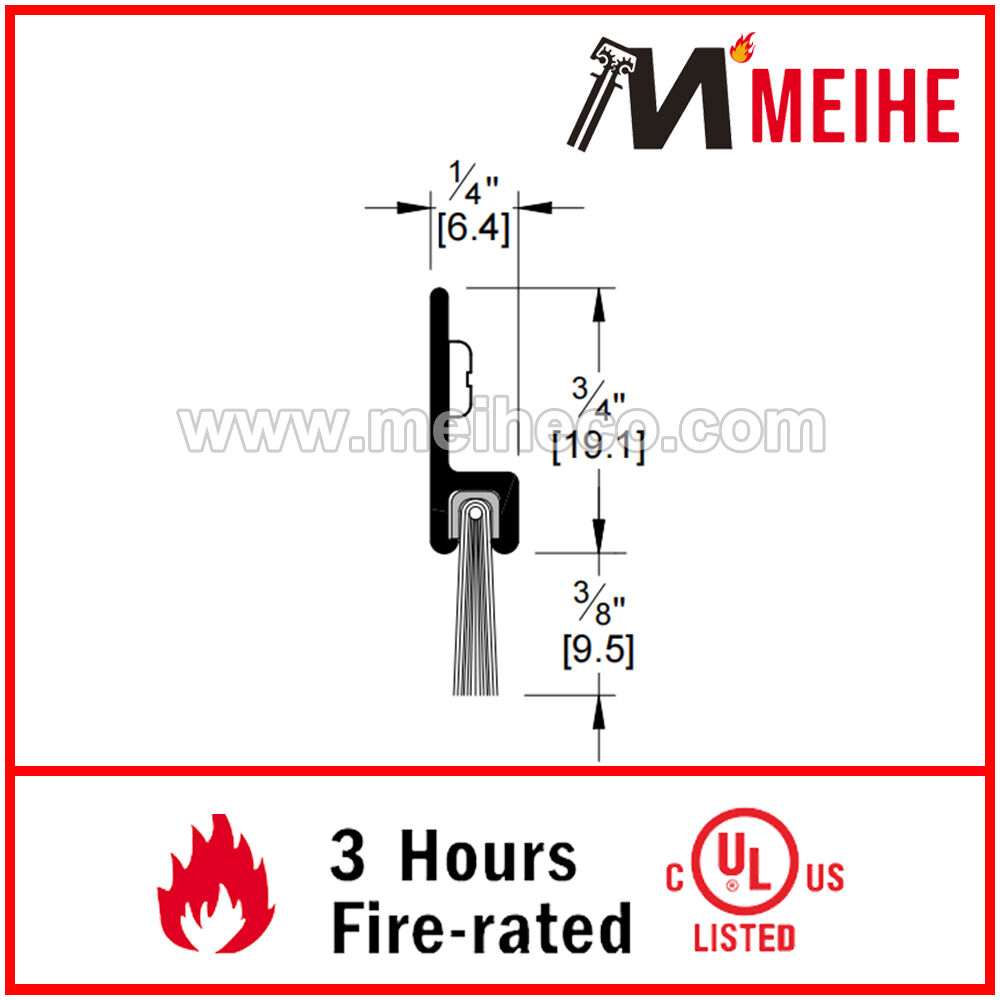
High-traffic commercial entrances face unique challenges when it comes to weatherproofing and energy efficiency. Traditional door seals often fail under constant use, leaving gaps that allow air infiltration, moisture penetration, and unwanted debris to enter buildings. A brush door sweep represents an advanced solution specifically engineered to withstand heavy-duty applications while maintaining superior sealing performance over extended periods.
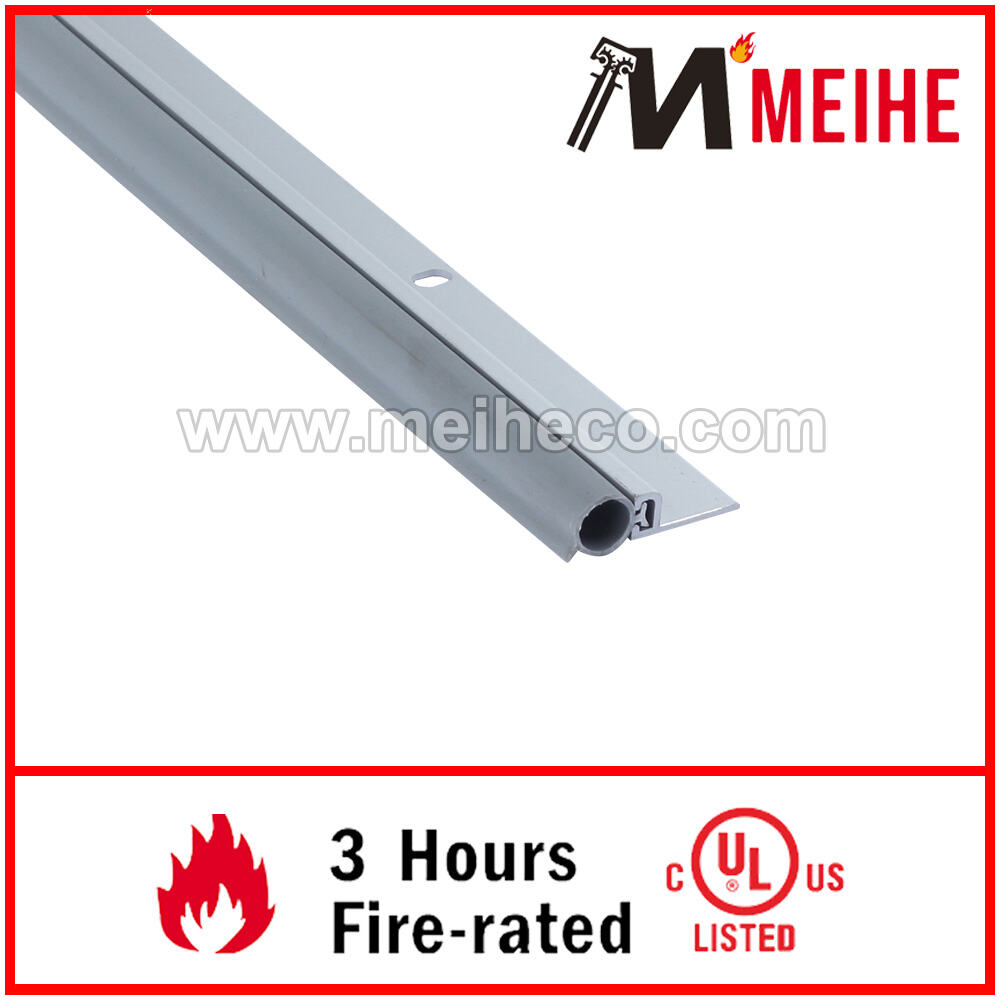
The fundamental advantage of brush-style weatherstripping lies in its flexible bristle construction that adapts to irregular floor surfaces and door movements. Unlike rigid rubber seals that can crack or deform under stress, brush door sweep systems maintain consistent contact with threshold surfaces regardless of temperature fluctuations or mechanical wear. This adaptability makes them particularly valuable for facilities experiencing thousands of daily door cycles.
Commercial architects and facility managers increasingly specify brush door sweep assemblies for their ability to balance sealing effectiveness with operational durability. The bristle design allows doors to open and close smoothly while providing continuous barrier protection against environmental elements. Modern manufacturing techniques have enhanced bristle materials and mounting systems to exceed performance expectations in demanding applications.
Understanding Brush Door Sweep Construction and Materials
Bristle Material Composition
Premium brush door sweep products utilize specialized synthetic bristles engineered for commercial durability and environmental resistance. Polypropylene bristles offer excellent chemical resistance and maintain flexibility across wide temperature ranges, making them ideal for exterior applications. These materials resist UV degradation, moisture absorption, and mechanical fatigue that commonly affect lower-grade weatherstripping solutions.
Nylon bristles provide superior abrasion resistance and dimensional stability, particularly valuable in high-traffic scenarios where door sweep components experience constant contact with flooring surfaces. The bristle density and arrangement significantly impact sealing performance, with optimal configurations featuring graduated bristle lengths that create overlapping contact zones for enhanced weather protection.
Advanced brush door sweep designs incorporate bristle treatments that enhance performance characteristics. Anti-static treatments prevent dust accumulation, while antimicrobial coatings inhibit bacterial growth in food service and healthcare environments. These specialized treatments extend service life while maintaining hygiene standards critical in sensitive applications.
Mounting System Engineering
The mounting system represents the structural foundation that determines long-term performance and reliability of brush door sweep installations. Heavy-duty applications require robust aluminum or stainless steel mounting channels that resist deformation under repeated stress cycles. Precision-engineered mounting systems ensure proper bristle positioning and prevent premature wear that reduces sealing effectiveness.
Adjustable mounting mechanisms allow fine-tuning of bristle contact pressure to optimize sealing performance without creating excessive drag forces that strain door hardware. Professional-grade brush door sweep systems feature modular designs that facilitate maintenance and component replacement without complete system removal. This serviceability aspect significantly reduces lifecycle costs in commercial applications.
Surface preparation and installation techniques directly influence performance outcomes. Proper mounting requires precise measurements, appropriate fastener selection, and consideration of thermal expansion factors that affect long-term dimensional stability. Quality installations ensure optimal bristle contact while preventing binding or interference with normal door operation.
Performance Characteristics for High-Traffic Applications
Sealing Efficiency and Air Infiltration Control
Effective brush door sweep systems achieve superior air sealing performance through optimized bristle configurations that adapt to surface irregularities while maintaining continuous contact. Laboratory testing demonstrates that properly specified brush seals can reduce air infiltration rates by up to 85% compared to unsealed door assemblies, resulting in substantial energy savings and improved indoor climate control.
The flexible nature of brush bristles allows accommodation of typical floor variations and door adjustments without compromising sealing integrity. This adaptability proves particularly valuable in older buildings where settling and structural movement create challenging sealing conditions. A well-designed brush door sweep maintains consistent performance despite minor door alignment changes or floor surface irregularities.
Thermal performance benefits extend beyond simple air sealing to include radiant barrier effects and thermal bridging reduction. Dense bristle arrangements create insulating air pockets that enhance overall door assembly thermal resistance. This enhanced insulation performance contributes to reduced HVAC loads and improved occupant comfort in climate-controlled environments.
Durability Under Heavy Use Conditions
Commercial-grade brush door sweep assemblies undergo rigorous testing to validate performance under accelerated wear conditions simulating years of heavy traffic exposure. Industry-standard testing protocols evaluate bristle retention, mounting system integrity, and sealing performance after hundreds of thousands of operation cycles. Premium products maintain over 90% of initial performance characteristics after extended testing sequences.
Environmental exposure testing confirms resistance to temperature cycling, moisture penetration, and chemical exposure common in commercial applications. UV stability testing ensures that exterior-mounted brush door sweep components resist degradation from solar exposure that can cause bristle embrittlement and mounting system corrosion. These comprehensive evaluations provide confidence in long-term performance expectations.
Real-world performance data from high-traffic installations demonstrates exceptional service life when proper product selection and installation procedures are followed. Documented case studies from airports, shopping centers, and institutional facilities show brush door sweep systems maintaining effective sealing performance for over a decade with minimal maintenance requirements.
Selection Criteria for Heavy-Duty Applications
Traffic Volume and Usage Patterns
Proper brush door sweep specification requires careful analysis of expected traffic patterns and usage intensity. Facilities with continuous pedestrian flow require enhanced bristle density and reinforced mounting systems to withstand constant mechanical stress. Entry doors experiencing over 1000 daily cycles demand premium-grade components and professional installation to ensure reliable long-term performance.
Seasonal usage variations affect component selection, particularly in retail and hospitality environments where traffic intensity fluctuates dramatically. brush door sweep systems must accommodate peak usage periods without performance degradation while maintaining effectiveness during low-activity periods when environmental sealing becomes more critical.
Emergency egress requirements influence both component selection and installation details. Fire-rated assemblies require specialized brush door sweep products that maintain sealing performance without interfering with emergency evacuation procedures. Compliance with accessibility standards ensures that sealing solutions do not create barriers for individuals with mobility limitations.
Environmental Conditions and Exposure Factors
Exterior applications subject brush door sweep components to harsh environmental conditions including temperature extremes, precipitation, and chemical exposure from de-icing compounds. Marine environments pose additional challenges through salt air exposure that accelerates corrosion of metal components and degradation of synthetic materials. Product selection must address these specific environmental stressors through appropriate material specifications.
Indoor applications present different challenges including cleaning chemical exposure, floor maintenance procedures, and HVAC-induced pressure differentials. Food service facilities require brush door sweep products that resist grease accumulation and facilitate thorough cleaning protocols. Healthcare environments demand materials that support infection control procedures without compromising sealing performance.
Climate zone considerations affect material selection and performance expectations. Extreme cold conditions require bristle materials that maintain flexibility at low temperatures, while high-heat environments demand thermal stability and resistance to dimensional changes. Regional weather patterns influence expected service life and maintenance requirements for brush door sweep installations.
Installation Best Practices and Professional Considerations
Pre-Installation Assessment and Preparation
Successful brush door sweep installation begins with comprehensive site assessment to identify potential challenges and optimize component selection. Door condition evaluation includes checking for proper alignment, hardware functionality, and structural integrity that affects long-term performance. Floor condition assessment identifies surface irregularities, drainage considerations, and cleaning access requirements that influence installation details.
Accurate measurements prove critical for proper fit and performance optimization. Professional installers utilize precision measuring tools to determine exact brush door sweep dimensions and mounting requirements. Template creation ensures consistent installation results and facilitates future maintenance or replacement procedures. Detailed documentation supports warranty compliance and performance troubleshooting if issues arise.
Coordination with other building systems prevents conflicts and ensures optimal performance integration. HVAC system considerations include pressure relationships and air circulation patterns that affect sealing requirements. Security system integration ensures that brush door sweep installations do not interfere with access control or monitoring equipment functionality.
Professional Installation Techniques
Expert installation requires specialized tools and techniques to achieve optimal brush door sweep performance. Precision drilling and fastening ensure secure mounting without compromising door or frame integrity. Proper sealing of mounting penetrations prevents water infiltration and maintains structural weather barriers. Professional installers follow manufacturer specifications while adapting to site-specific conditions and requirements.
Bristle adjustment procedures optimize contact pressure and sealing effectiveness without creating excessive operating forces. Fine-tuning adjustments accommodate thermal expansion, building settlement, and normal door hardware wear patterns. Professional installations include comprehensive testing to verify sealing performance and operational smoothness before project completion.
Quality control procedures ensure installation compliance with specifications and performance standards. Dimensional verification, fastener torque specifications, and sealing continuity testing validate proper installation. Documentation of installation details supports warranty coverage and facilitates future maintenance or modification requirements.
Maintenance Requirements and Service Life Optimization
Routine Maintenance Protocols
Preventive maintenance programs significantly extend brush door sweep service life while maintaining optimal sealing performance. Regular cleaning procedures remove accumulated debris and contaminants that can affect bristle flexibility and sealing effectiveness. Appropriate cleaning methods and solutions prevent damage to bristle materials while ensuring thorough contaminant removal from mounting assemblies.
Periodic inspection protocols identify wear patterns and performance degradation before critical failures occur. Visual examination of bristle condition, mounting system integrity, and sealing continuity enables proactive maintenance decisions. Professional inspection services provide detailed assessments and recommendations for performance optimization and component replacement timing.
Lubrication requirements for adjustable mechanisms ensure smooth operation and prevent premature wear of moving components. Appropriate lubricant selection considers environmental exposure conditions and material compatibility requirements. Regular lubrication schedules prevent binding and ensure consistent adjustment capability throughout the service life of brush door sweep systems.
Performance Monitoring and Troubleshooting
Systematic performance monitoring identifies developing issues and optimization opportunities for brush door sweep installations. Air infiltration testing quantifies sealing effectiveness and validates performance maintenance over time. Energy consumption analysis reveals the impact of weatherstripping performance on building operating costs and identifies potential improvement opportunities.
Common performance issues include bristle matting, mounting system loosening, and alignment problems that reduce sealing effectiveness. Professional troubleshooting procedures identify root causes and implement corrective measures to restore optimal performance. Preventive measures address underlying conditions that contribute to premature wear or performance degradation.
Documentation of maintenance activities and performance trends supports data-driven maintenance decisions and warranty claim resolution. Detailed service records facilitate replacement planning and budget forecasting for facility management personnel. Performance tracking enables continuous improvement of maintenance protocols and product selection criteria.
Cost-Benefit Analysis and Return on Investment
Initial Investment Considerations
Premium brush door sweep systems represent a significant initial investment compared to basic weatherstripping alternatives, but deliver superior performance and longevity that justify higher upfront costs. Professional-grade components and expert installation ensure optimal performance from the beginning of the service life. Quality installations reduce lifecycle costs through enhanced durability and reduced maintenance requirements over extended service periods.
Project specifications should consider total cost of ownership rather than focusing solely on initial purchase price. High-performance brush door sweep products often provide 2-3 times the service life of economy alternatives while delivering superior sealing performance throughout their operational life. This extended service life reduces replacement frequency and associated installation disruption costs.
Bulk purchasing opportunities and standardization benefits reduce per-unit costs for large facilities or multi-building projects. Consistent product selection simplifies maintenance procedures and inventory management while ensuring predictable performance characteristics across all installations. Volume purchasing arrangements often include extended warranty coverage and priority technical support services.
Operational Savings and Performance Benefits
Energy savings from improved air sealing typically offset brush door sweep investment costs within 2-3 years in commercial applications. Reduced HVAC loads lower utility costs while improving indoor comfort and air quality for building occupants. Enhanced climate control stability reduces temperature fluctuations and humidity variations that affect occupant productivity and comfort.
Maintenance cost reductions result from improved durability and reduced replacement frequency compared to conventional weatherstripping solutions. Professional-grade brush door sweep systems require minimal routine maintenance while providing consistent performance over extended service periods. Reduced maintenance disruption minimizes impact on building operations and occupant activities.
Liability reduction benefits include improved slip resistance, enhanced security, and reduced pest infiltration that protect building owners from potential claims and remediation costs. Effective sealing prevents moisture intrusion that can lead to structural damage and indoor air quality issues. These risk mitigation benefits provide additional value beyond direct operational savings.
FAQ
What makes brush door sweep systems more durable than rubber alternatives in high-traffic applications
Brush door sweep systems excel in high-traffic environments because their flexible bristle construction adapts to constant door movement without the cracking, tearing, or permanent deformation common with rigid rubber seals. The individual bristles distribute wear forces across the entire sealing surface, while rubber seals concentrate stress at contact points leading to premature failure. Additionally, brush systems maintain sealing effectiveness even when individual bristles become damaged, whereas rubber seal damage typically compromises the entire weatherstripping assembly.
How do I determine the correct bristle density and mounting configuration for my specific application
Proper brush door sweep selection requires assessment of traffic volume, environmental conditions, and sealing performance requirements. High-traffic applications typically require dense bristle configurations with reinforced mounting systems, while moderate-use doors may perform adequately with standard density products. Professional evaluation considers factors including floor surface conditions, door alignment tolerances, and clearance requirements to specify optimal bristle length and mounting position for maximum sealing effectiveness.
What maintenance procedures are essential for maximizing brush door sweep service life
Essential maintenance includes regular cleaning to remove accumulated debris that can mat bristles and reduce sealing effectiveness, periodic inspection of mounting hardware for loosening or damage, and adjustment of contact pressure to maintain optimal sealing without excessive drag forces. Cleaning should use appropriate methods and solutions that preserve bristle flexibility while removing contaminants. Professional maintenance services can provide comprehensive assessments and perform specialized procedures that extend component service life.
Can brush door sweep systems be retrofitted to existing doors without major modifications
Most brush door sweep products are designed for retrofit installation on existing doors with minimal modifications required. Standard mounting configurations accommodate common door thicknesses and frame types using conventional fastening methods. However, proper installation requires accurate measurements, appropriate clearance adjustments, and consideration of door hardware compatibility to ensure optimal performance. Professional installation is recommended for critical applications to guarantee proper fit and long-term reliability.
Table of Contents
- Understanding Brush Door Sweep Construction and Materials
- Performance Characteristics for High-Traffic Applications
- Selection Criteria for Heavy-Duty Applications
- Installation Best Practices and Professional Considerations
- Maintenance Requirements and Service Life Optimization
- Cost-Benefit Analysis and Return on Investment
-
FAQ
- What makes brush door sweep systems more durable than rubber alternatives in high-traffic applications
- How do I determine the correct bristle density and mounting configuration for my specific application
- What maintenance procedures are essential for maximizing brush door sweep service life
- Can brush door sweep systems be retrofitted to existing doors without major modifications