
 EN
EN



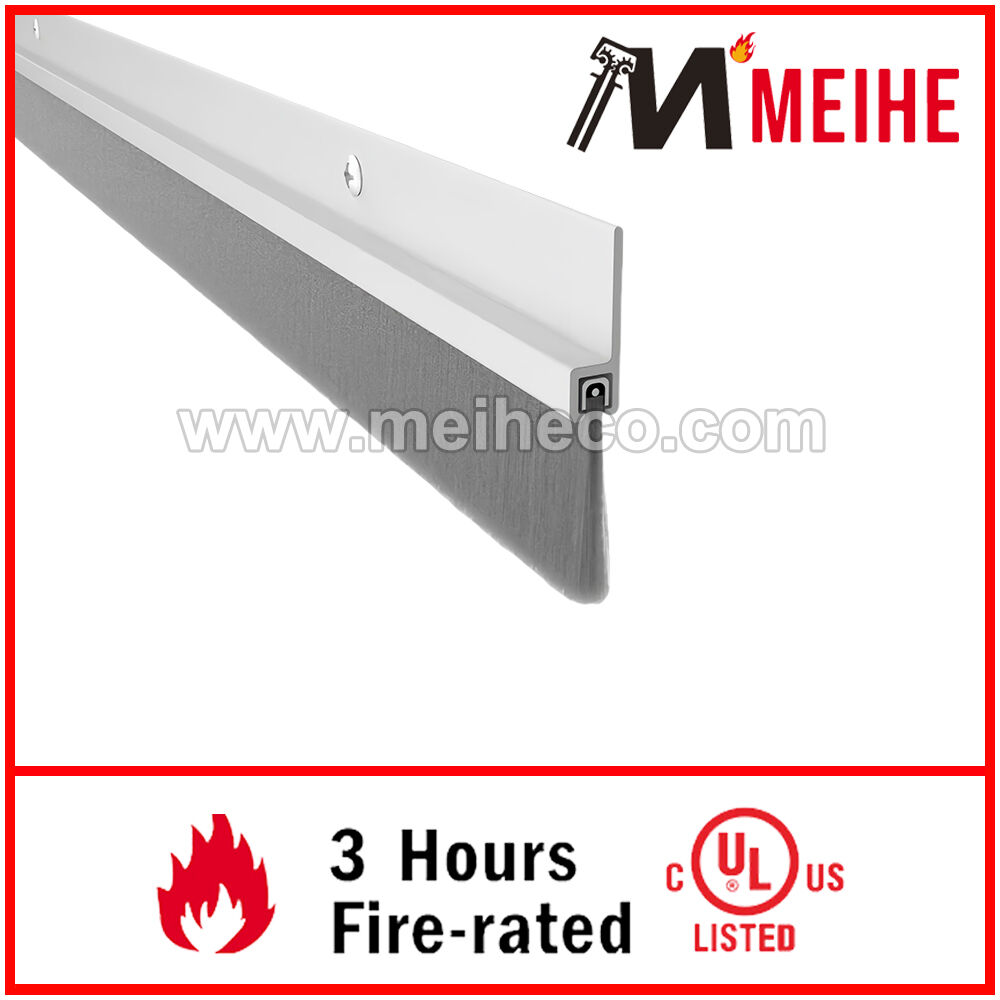
Hallway noise filtering through door gaps represents a persistent challenge in residential and commercial buildings, particularly in apartments, hotels, and office environments where sound privacy matters. The question of whether a brush door sweep can effectively reduce noise transmission from hallway spaces requires understanding both the acoustic principles involved and the specific design characteristics that make these weatherstripping solutions effective for sound control applications.
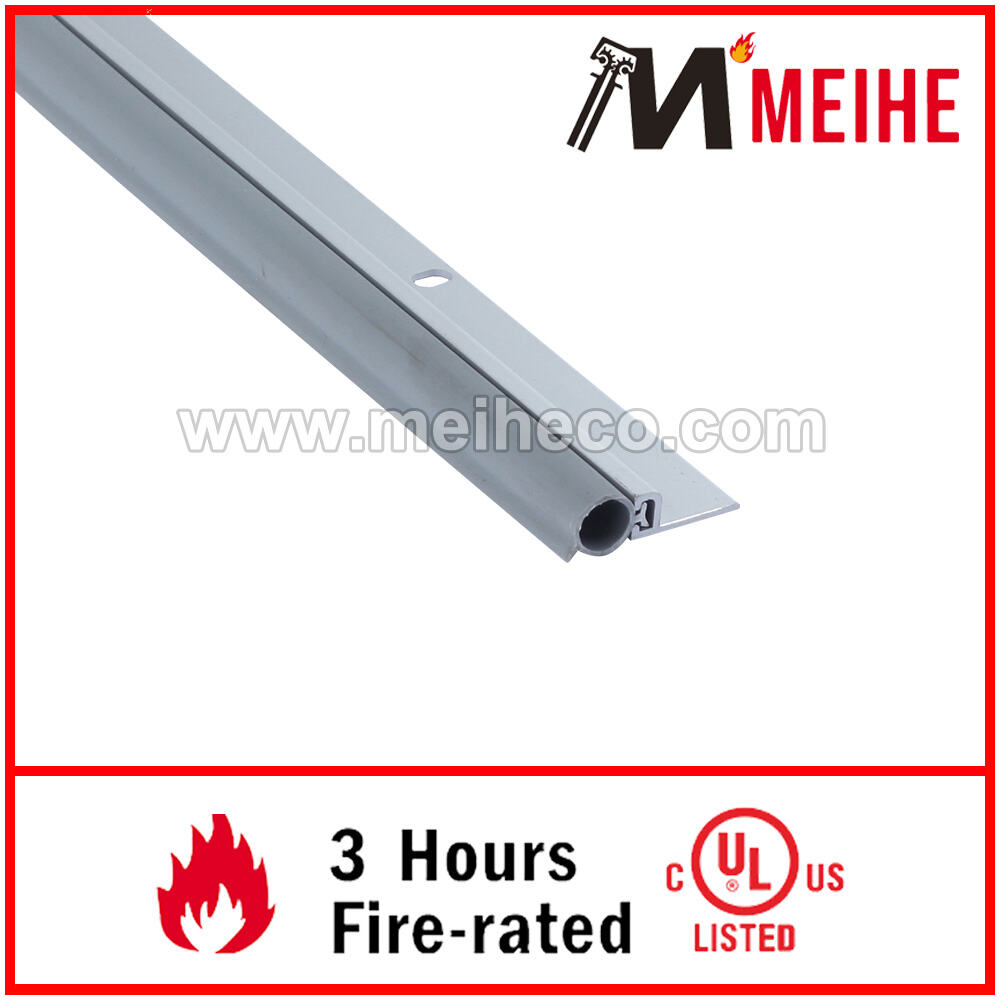
The answer is definitively yes - a properly installed brush door sweep can significantly reduce noise transmission from hallway areas, though the degree of noise reduction depends on several critical factors including the sweep design, installation quality, and the existing door construction. Understanding how brush door sweeps function as acoustic barriers helps property managers, facility engineers, and homeowners make informed decisions about noise control solutions that address the common problem of sound leakage through the bottom door gap.
How Brush Door Sweeps Create Acoustic Barriers
Physical Sound Blocking Mechanism
A brush door sweep functions as an acoustic barrier by creating a physical seal along the bottom edge of the door, where sound waves typically find the easiest pathway for transmission. The dense bristle configuration forms multiple contact points against the floor surface, effectively reducing the air gap that allows sound waves to pass freely between spaces. This physical obstruction forces sound waves to navigate through the bristle matrix, where acoustic energy dissipates through friction and absorption within the brush fibers.
The effectiveness of this sound blocking mechanism depends largely on the bristle density and material composition of the brush door sweep. Higher density brush configurations create more complete coverage across the door bottom, minimizing the pathways available for sound transmission. Professional-grade brush door sweeps typically feature bristles arranged in multiple rows or tufted patterns that ensure comprehensive coverage even when the door experiences slight movement or settling over time.
The material composition of the bristles also influences acoustic performance, with synthetic materials like polypropylene and nylon offering different sound absorption characteristics. These materials demonstrate resilience under repeated compression cycles while maintaining their ability to form effective seals against various floor surfaces including carpet, hardwood, tile, and concrete.
Frequency Response and Sound Type Considerations
Brush door sweep noise reduction performance varies significantly across different frequency ranges, with generally better effectiveness against higher frequency sounds such as conversations, television audio, and general hallway activity. The bristle matrix structure naturally attenuates these mid to high frequency sounds through absorption and deflection mechanisms that occur when sound waves interact with the multiple fiber surfaces.
Lower frequency sounds, including bass frequencies from music systems and heavy footsteps, present greater challenges for brush door sweep applications. These longer wavelengths can more easily circumvent the physical barriers created by the bristle configuration, though a well-designed brush door sweep still provides measurable noise reduction even for these more penetrating sound frequencies.
The acoustic performance also depends on the specific type of hallway noise being addressed. Consistent background sounds like HVAC system operation or distant traffic respond well to brush door sweep treatment, while intermittent sharp sounds such as door slamming or loud conversations may experience less dramatic reduction but still benefit from the overall acoustic dampening effect.
Installation Factors That Maximize Noise Reduction
Proper Mounting and Adjustment Techniques
Achieving maximum noise reduction from a brush door sweep requires precise installation that ensures consistent contact between the bristles and the floor surface without creating excessive drag that impedes door operation. The mounting position must be carefully calculated to account for the door's swing arc and any floor irregularities that might create gaps in the seal when the door is closed.
Professional installation typically involves adjusting the brush door sweep height so that the bristles compress approximately 25-30% of their length when the door is fully closed. This compression level provides effective sealing while maintaining the bristles' ability to recover their shape and maintain long-term performance. Insufficient compression leaves gaps that compromise acoustic performance, while excessive compression can cause premature bristle wear and difficulty in door operation.
The mounting hardware selection also influences installation success and long-term performance. Heavy-duty mounting brackets and appropriate fasteners ensure the brush door sweep maintains proper positioning despite repeated door operation cycles. Some installations benefit from reinforcement plates that distribute mounting loads across the door bottom, particularly for solid wood doors or hollow core doors that may not provide adequate fastener retention.
Door Gap Assessment and Seal Continuity
Effective noise reduction requires addressing the entire perimeter seal around the door, as sound transmission will occur through any available pathway including side gaps and the head gap above the door. While the brush door sweep addresses the bottom gap, comprehensive noise control often requires coordinating with weatherstripping solutions for the remaining door perimeter.
Floor surface preparation may be necessary in some installations to ensure consistent contact across the entire door width. Uneven floors, carpet transitions, or threshold configurations can create challenges that require careful measurement and potential adjustment of the brush door sweep mounting position to maintain effective sealing performance.
Regular maintenance and inspection ensure that the brush door sweep continues to provide effective noise reduction over time. Accumulation of debris, carpet fibers, or other materials can interfere with proper sealing, while normal wear may require periodic adjustment or replacement to maintain optimal acoustic performance.
Comparing Noise Reduction Performance Across Different Environments
Residential Applications and Living Spaces
In residential settings, brush door sweep installations typically achieve noise reduction levels of 5-15 decibels for common hallway sounds, representing a significant improvement in acoustic privacy for bedrooms, home offices, and living areas. The actual performance depends on the existing door construction, with solid core doors generally providing better baseline sound isolation that enhances the effectiveness of the brush door sweep addition.
Apartment buildings present particular challenges where hallway traffic, neighbor conversations, and building system sounds create consistent noise concerns. A properly installed brush door sweep addresses the most common sound transmission pathway while contributing to overall acoustic comfort in these multi-family residential environments.
The aesthetic considerations in residential applications often influence brush door sweep selection, with options available in various colors and profile heights to complement different interior design schemes while maintaining effective noise reduction performance. Some residential installations benefit from adjustable height mechanisms that allow fine-tuning of the seal compression to account for carpet thickness variations or seasonal floor movement.
Commercial and Institutional Settings
Commercial applications including office buildings, hotels, and healthcare facilities often require higher performance standards for acoustic privacy, where brush door sweep solutions must meet specific noise reduction criteria established by building codes or industry standards. These environments typically feature higher traffic volumes and more demanding operational requirements that influence brush door sweep selection and installation approaches.
Healthcare facilities present unique considerations where patient privacy requirements and infection control protocols influence brush door sweep selection. Antimicrobial brush materials and easy-cleaning designs help maintain hygienic conditions while providing necessary acoustic performance for patient rooms and consultation areas.
Hotel applications require brush door sweep solutions that withstand frequent door operation cycles while maintaining consistent noise reduction performance that meets guest expectations for room privacy. The durability requirements in these applications often favor commercial-grade brush door sweep designs with reinforced mounting systems and high-performance bristle materials.
Limitations and Realistic Expectations
Understanding Performance Boundaries
While brush door sweeps provide measurable noise reduction for hallway sounds, it is important to establish realistic expectations about their limitations as standalone acoustic solutions. Complete sound isolation requires addressing multiple transmission pathways including wall construction, door core density, and perimeter sealing, with the brush door sweep representing one component of a comprehensive noise control strategy.
The physics of sound transmission means that extremely loud or low-frequency sounds may still be audible despite effective brush door sweep installation. Heavy bass frequencies from sound systems, construction activities, or mechanical equipment can circumvent even well-designed door sealing systems, requiring additional acoustic treatment approaches for complete noise control.
Environmental factors including temperature variations, humidity changes, and building settling can affect long-term brush door sweep performance. These factors may require periodic adjustment or maintenance to ensure continued effectiveness, particularly in buildings subject to significant seasonal changes or ongoing structural movement.
Cost-Effectiveness and Alternative Solutions
The cost-effectiveness of brush door sweep installation for noise reduction depends on the specific noise control requirements and budget constraints of each application. Compared to major renovations such as door replacement or wall sound treatment, brush door sweep installation represents a relatively modest investment that can provide significant acoustic improvement in many situations.
Alternative noise reduction approaches including door replacement, wall insulation upgrades, or white noise systems may be more appropriate for severe noise issues or applications requiring substantial sound isolation. The brush door sweep solution works best as part of a graduated approach to noise control, where modest improvements address the majority of common noise concerns without requiring major construction projects.
Long-term maintenance requirements and replacement cycles should be factored into the overall cost-effectiveness evaluation, with quality brush door sweep installations typically providing several years of effective service before requiring replacement or significant maintenance interventions.
FAQ
How much noise reduction can I expect from installing a brush door sweep on my hallway door?
Most properly installed brush door sweeps provide 5-15 decibels of noise reduction for typical hallway sounds such as conversations, footsteps, and general activity. The exact reduction depends on factors including door construction, installation quality, floor type, and the specific frequencies of the noise being addressed. Higher frequency sounds generally experience greater reduction than low-frequency sounds.
Will a brush door sweep work effectively on carpeted floors?
Yes, brush door sweeps can work effectively on carpeted floors, though the installation requires careful adjustment to account for carpet thickness and compression characteristics. The bristles need sufficient length to penetrate the carpet pile and create contact with the underlying floor surface. Medium to high-pile carpets may require special consideration in brush door sweep selection and mounting height adjustment.
How long do brush door sweeps typically last in high-traffic applications?
Quality brush door sweeps in high-traffic commercial applications typically last 2-5 years depending on door operation frequency, environmental conditions, and maintenance practices. Residential applications with moderate use often achieve longer service life of 5-7 years. Signs that replacement may be needed include visible bristle wear, gaps in floor contact, or reduced noise reduction performance.
Can brush door sweeps be installed on doors that open outward into hallways?
Brush door sweeps can be installed on outward-opening doors, though the installation approach differs from inward-opening doors to ensure proper clearance and sealing performance. The sweep must be positioned to avoid interference with the door threshold or hallway flooring while maintaining effective contact when the door is closed. Professional installation consultation is often recommended for outward-opening door applications.
Table of Contents
- How Brush Door Sweeps Create Acoustic Barriers
- Installation Factors That Maximize Noise Reduction
- Comparing Noise Reduction Performance Across Different Environments
- Limitations and Realistic Expectations
-
FAQ
- How much noise reduction can I expect from installing a brush door sweep on my hallway door?
- Will a brush door sweep work effectively on carpeted floors?
- How long do brush door sweeps typically last in high-traffic applications?
- Can brush door sweeps be installed on doors that open outward into hallways?