
 EN
EN



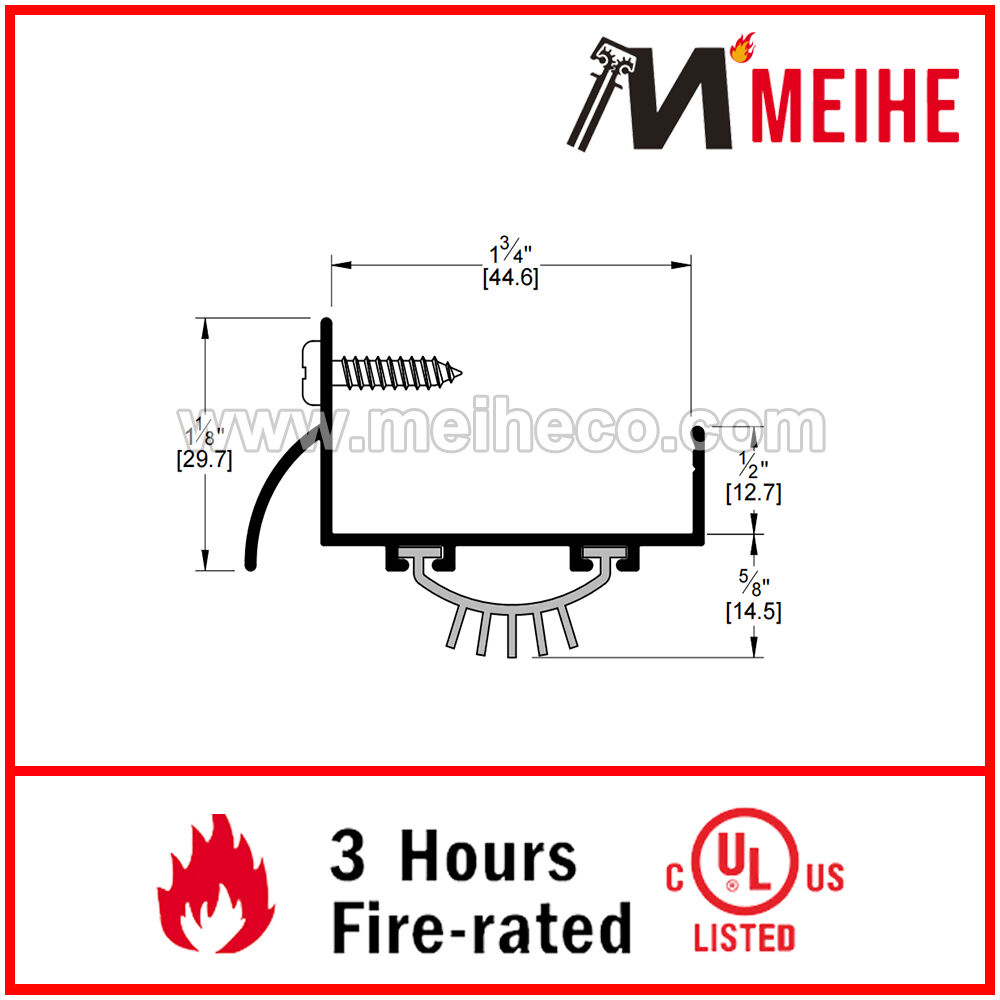
Commercial facilities face constant challenges with dust infiltration, air quality management, and energy efficiency. One of the most overlooked yet effective solutions lies in proper door sealing systems. A well-installed door sweep creates a protective barrier at the base of doors, significantly reducing the amount of dust, debris, and unwanted particles that enter commercial spaces through gaps beneath doors.
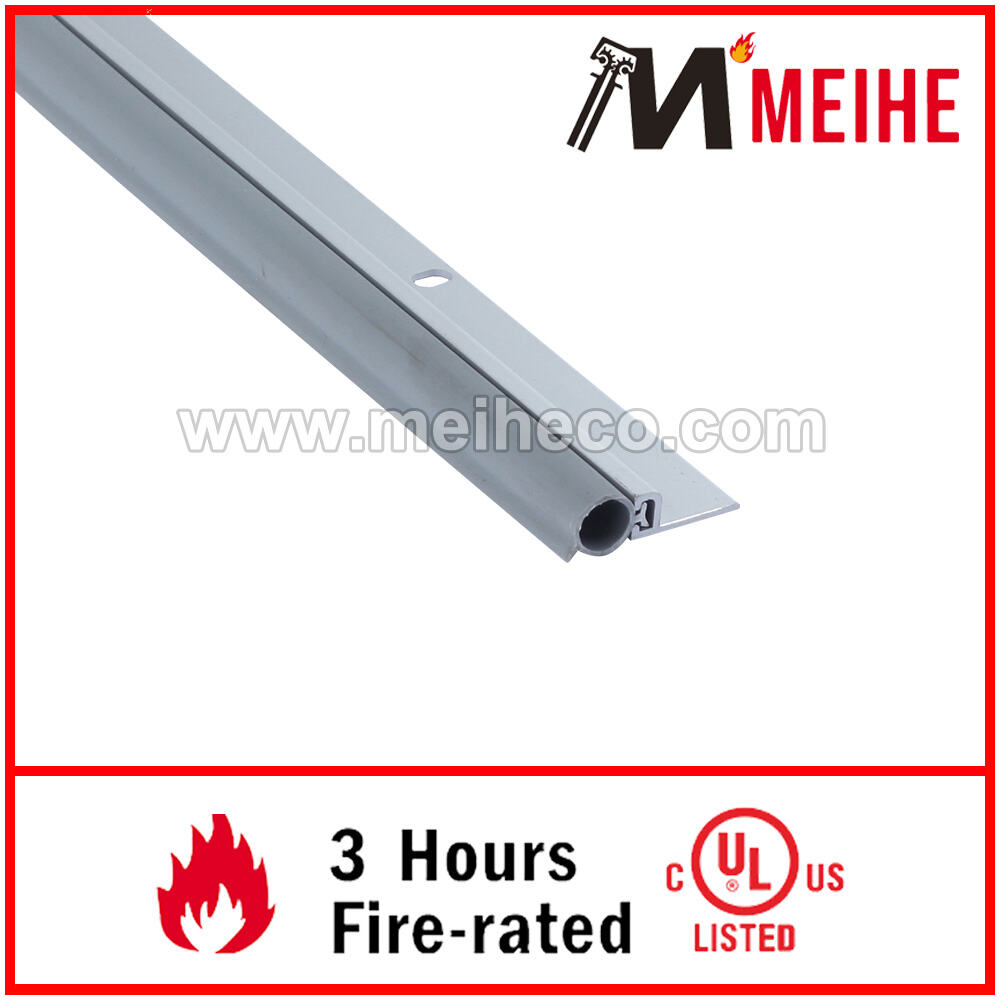
The effectiveness of door sweeps in preventing dust accumulation extends beyond simple physical barriers. These sealing devices work continuously to maintain cleaner indoor environments, reduce HVAC strain, and protect sensitive equipment from particulate contamination. Understanding how door sweeps function and their impact on commercial dust control can help facility managers make informed decisions about building maintenance and air quality improvement strategies.
Understanding Dust Infiltration Patterns in Commercial Buildings
Primary Sources of Dust Entry
Commercial buildings experience dust infiltration through multiple pathways, with door gaps representing one of the most significant entry points. The space beneath doors, typically ranging from one-quarter inch to several inches, provides an unobstructed pathway for airborne particles to migrate between spaces. This infiltration occurs through natural air movement, pressure differentials, and foot traffic patterns that create air currents.
External dust sources include vehicular traffic, construction activities, landscaping operations, and natural wind patterns that carry particles toward building entrances. Internal dust generation comes from occupant activities, equipment operation, textile materials, and paper handling processes. Without proper sealing mechanisms like a door sweep, these particles freely move throughout connected spaces, accumulating in areas where air circulation patterns deposit them.
Impact of Air Pressure Differentials
Modern commercial buildings often maintain specific pressure relationships between different zones for climate control and air quality purposes. When doors lack proper sealing, these pressure differentials drive air movement through gaps, carrying suspended particles along with the airflow. HVAC systems work harder to maintain desired conditions when unsealed doors allow continuous air exchange between spaces.
Temperature variations between rooms also create convective air currents that flow beneath doors. These thermal-driven air movements transport dust particles from warmer to cooler spaces or vice versa. A properly installed door sweep interrupts these air currents, maintaining the intended pressure relationships while preventing particle migration.
Mechanical Function and Design Principles of Door Sweeps
Sealing Mechanism Technology
A door sweep operates through contact sealing, where flexible materials create continuous contact with the floor surface as the door closes. The sealing element typically consists of brush bristles, rubber blades, or vinyl strips that conform to minor floor irregularities while maintaining consistent contact pressure. This mechanical interface blocks the passage of particles while allowing smooth door operation.
Advanced door sweep designs incorporate multiple sealing elements to enhance effectiveness against different particle sizes. Brush-type sweeps excel at capturing larger debris while maintaining gentle floor contact, whereas rubber blade configurations provide superior sealing against fine dust particles. The choice of sealing material affects both dust prevention performance and operational longevity under commercial use conditions.
Installation Configuration Options
Door sweep installation methods vary based on door type, traffic volume, and specific dust control requirements. Surface-mounted configurations attach directly to the door face, providing easy installation and maintenance access. Mortised installations integrate the door sweep into the door structure for improved aesthetics and enhanced durability in high-traffic applications.
Automatic door sweeps feature spring-loaded mechanisms that lower the sealing element when the door closes and retract during opening to prevent floor drag. These systems work particularly well for doors with irregular floor transitions or carpet surfaces where continuous contact might impede operation. Manual adjustment capabilities allow fine-tuning of sealing pressure to optimize dust prevention effectiveness.
Effectiveness Analysis Across Different Commercial Environments
Office Building Applications
Office environments benefit significantly from door sweep installation, particularly in spaces housing sensitive electronic equipment or document storage areas. Computer servers and networking equipment require protection from dust accumulation that can cause overheating and component failure. A quality door sweep prevents particles from migrating into server rooms and data centers from adjacent spaces.
Open office layouts connected to corridors, break rooms, or exterior entrances experience reduced dust accumulation when doors feature proper sealing systems. This improvement translates to better air quality for occupants, reduced cleaning requirements, and longer intervals between deep cleaning services. Conference rooms and executive offices maintain cleaner conditions when equipped with effective door sealing solutions.
Industrial and Manufacturing Facilities
Manufacturing environments present unique challenges for dust control due to production processes that generate various types of particles. A door sweep helps contain production-related dust within specific work areas, preventing cross-contamination between different manufacturing zones. This containment protects quality control areas, packaging operations, and finished goods storage from process-generated contaminants.
Clean room applications require specialized door sweeps designed to maintain strict particulate control standards. These installations often feature smooth, easily cleanable surfaces and materials that resist chemical cleaning agents. The sealing effectiveness directly impacts the facility's ability to maintain required cleanliness classifications and regulatory compliance.
Material Selection and Performance Characteristics
Rubber and Elastomer Options
Rubber door sweeps offer excellent sealing performance against fine dust particles due to their ability to conform closely to floor surfaces. EPDM rubber provides superior weather resistance and longevity in applications exposed to temperature variations or cleaning chemicals. Neoprene formulations offer enhanced chemical resistance while maintaining flexibility across a wide temperature range.
The durometer rating of rubber door sweep materials affects both sealing effectiveness and operational characteristics. Softer compounds provide better conformability to irregular surfaces but may wear more quickly under heavy traffic. Harder rubber formulations last longer but require more precise installation to achieve optimal sealing performance against dust infiltration.
Brush and Hybrid Configurations
Brush-style door sweeps utilize synthetic bristles to create a barrier that flexes around obstacles while maintaining sealing contact. Nylon bristles resist moisture and cleaning chemicals while providing consistent performance over extended periods. These configurations work well in environments where occasional debris might jam rigid sealing elements.
Hybrid door sweep designs combine brush elements with solid sealing components to optimize performance across various particle sizes and environmental conditions. The brush component handles larger debris while the solid element provides superior sealing against fine dust. This dual-action approach maximizes dust prevention effectiveness in challenging commercial applications.
Installation Best Practices for Maximum Dust Prevention
Proper Sizing and Adjustment Techniques
Accurate measurement of door width and gap dimensions ensures optimal door sweep performance in dust prevention applications. The sealing element should extend the full width of the door opening with slight compression against the floor surface when the door is closed. Insufficient compression reduces sealing effectiveness, while excessive pressure causes premature wear and operational difficulties.
Adjustment mechanisms allow fine-tuning of sealing pressure after installation to accommodate floor irregularities or settling. Regular adjustment checks ensure continued effectiveness as building conditions change over time. Professional installation teams understand the relationship between sealing pressure and long-term performance in commercial dust control applications.
Integration with Building Systems
Door sweep installation should coordinate with existing HVAC systems to maximize dust prevention benefits. Proper sealing reduces uncontrolled air infiltration, allowing climate control systems to operate more efficiently while maintaining desired pressure relationships between spaces. This integration supports both energy efficiency and air quality objectives in commercial facilities.
Fire safety considerations require door sweeps that do not impede emergency egress or interfere with fire door operations. Many commercial-grade door sweep systems include features that automatically clear the floor during emergency situations while maintaining normal dust sealing performance during regular operations.
Maintenance Requirements and Longevity Factors
Regular Inspection Protocols
Effective door sweep maintenance begins with regular visual inspections to identify wear patterns, damage, or adjustment needs. Monthly checks of sealing element condition help prevent dust infiltration problems before they significantly impact indoor air quality. Inspection protocols should document sealing element position, contact pressure, and any visible wear or damage.
Traffic volume and environmental conditions determine appropriate inspection frequency for commercial door sweep installations. High-traffic entrances require more frequent monitoring than interior doors in office environments. Facilities exposed to harsh weather or industrial processes may need weekly inspections to maintain optimal dust prevention performance.
Replacement and Upgrade Strategies
Door sweep sealing elements gradually wear through normal use and should be replaced before dust infiltration increases significantly. Replacement timing depends on material selection, traffic volume, and environmental conditions specific to each installation. Proactive replacement prevents the gradual degradation of dust control effectiveness that occurs as sealing elements wear.
Technology advances in door sweep design periodically offer opportunities to upgrade existing installations for improved dust prevention performance. Newer sealing materials or adjustment mechanisms may provide better longevity or effectiveness than original installations. Facility managers should evaluate upgrade opportunities during routine replacement cycles.
Cost-Benefit Analysis for Commercial Dust Control
Direct Financial Benefits
Door sweep installation generates measurable cost savings through reduced cleaning requirements and extended equipment life in dust-sensitive applications. Facilities typically experience decreased frequency of deep cleaning services and reduced replacement costs for air filtration systems when door sealing effectively prevents dust infiltration. These operational savings often recover installation costs within the first year of operation.
Energy cost reductions result from improved HVAC efficiency when door sweeps eliminate uncontrolled air infiltration. Climate control systems consume less energy to maintain desired conditions when doors provide proper sealing. This efficiency improvement contributes to both operating cost reduction and environmental sustainability objectives in commercial facilities.
Indirect Value Creation
Improved indoor air quality from effective dust control enhances occupant comfort and productivity in commercial spaces. Reduced dust levels decrease allergen exposure and respiratory irritation for building occupants. These health and comfort benefits translate to improved employee satisfaction and potentially reduced absenteeism in workplace environments.
Equipment protection benefits extend beyond immediate cost savings to include improved reliability and reduced maintenance requirements for sensitive machinery. Electronic equipment, HVAC components, and precision instruments perform better and last longer when protected from dust accumulation by effective door sealing systems.
FAQ
How effective are door sweeps at preventing fine dust particles
Door sweeps are highly effective at preventing fine dust particles when properly installed and maintained. Quality sealing elements can block particles as small as 10 microns when they maintain consistent contact with floor surfaces. The effectiveness depends on the sealing material type, installation quality, and maintenance condition of the door sweep system.
What maintenance schedule works best for commercial door sweeps
Commercial door sweeps should be inspected monthly for proper adjustment and sealing element condition. High-traffic installations may require more frequent checks, while low-traffic interior doors can often be maintained on quarterly schedules. Sealing elements typically need replacement every 12-24 months depending on usage and environmental conditions.
Can door sweeps work effectively on carpeted surfaces
Specialized door sweep designs work effectively on carpeted surfaces through adjustable mechanisms that accommodate carpet thickness variations. Brush-type sealing elements often perform better than rigid materials on carpet installations. The key is proper adjustment to ensure sealing contact without excessive drag during door operation.
Do door sweeps interfere with automatic door operators
Modern door sweep designs accommodate automatic door operators through low-profile configurations and smooth operation characteristics. Properly selected and installed door sweeps should not significantly increase operating force requirements for automatic systems. Some designs include features specifically engineered for automatic door compatibility while maintaining dust sealing effectiveness.
Table of Contents
- Understanding Dust Infiltration Patterns in Commercial Buildings
- Mechanical Function and Design Principles of Door Sweeps
- Effectiveness Analysis Across Different Commercial Environments
- Material Selection and Performance Characteristics
- Installation Best Practices for Maximum Dust Prevention
- Maintenance Requirements and Longevity Factors
- Cost-Benefit Analysis for Commercial Dust Control
- FAQ