
 EN
EN



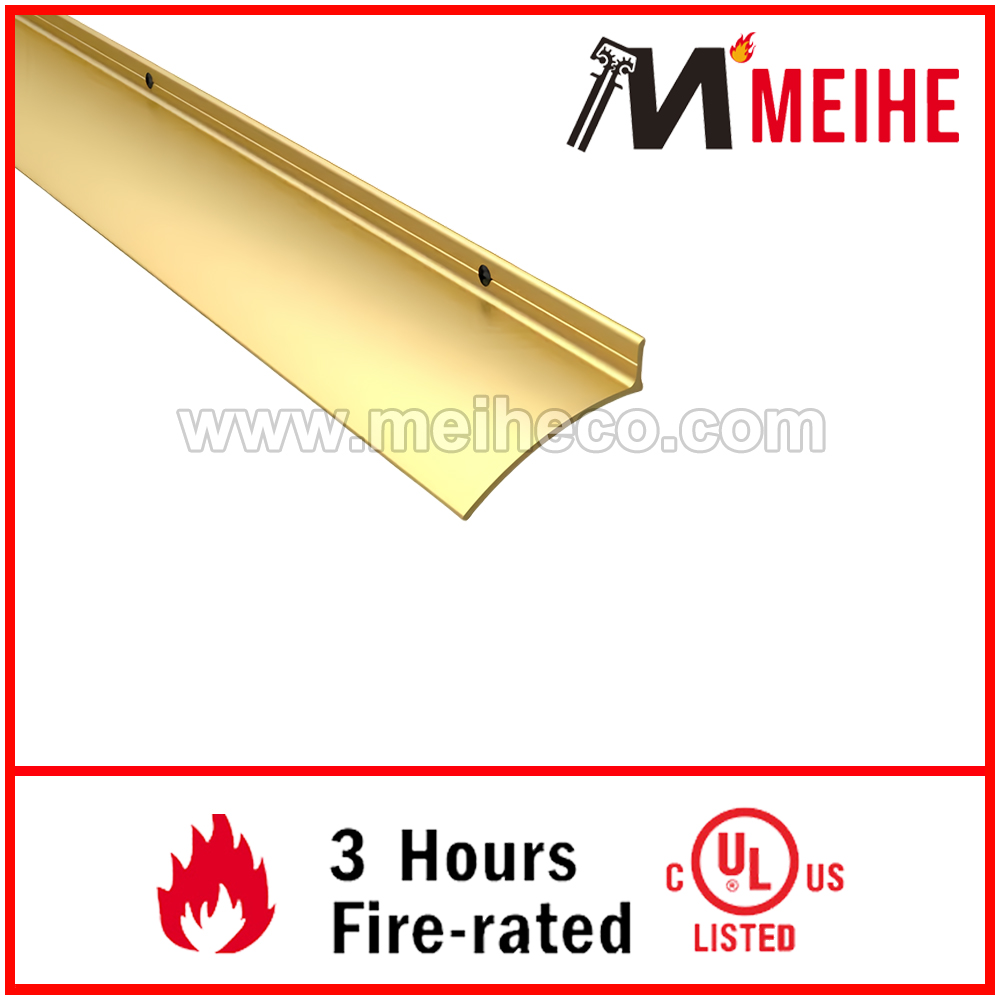
A properly functioning door bottom seal serves as your building's first line of defense against external elements, energy loss, and unwanted intrusions. When this critical component begins to fail, the consequences extend far beyond minor inconveniences, impacting energy efficiency, indoor comfort, and operational costs. Recognizing the early warning signs of door bottom seal deterioration enables facility managers and property owners to address issues proactively, preventing costly damage and maintaining optimal building performance.
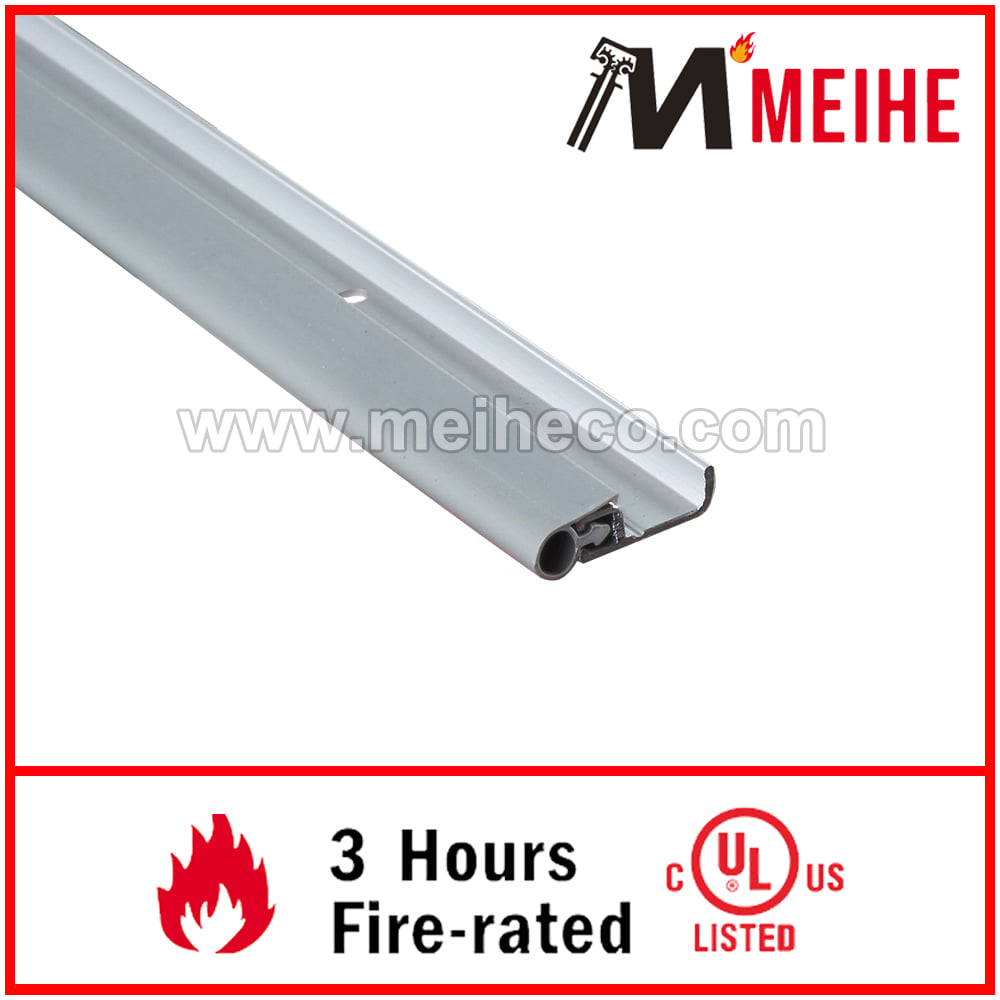
Understanding when to replace your door bottom seal requires careful observation and regular assessment. Professional maintenance teams typically monitor multiple indicators simultaneously, as individual symptoms may overlap with other building issues. The key lies in identifying patterns and combinations of warning signs that collectively point toward seal failure, rather than relying on isolated observations that might lead to premature or unnecessary replacements.
Visible Physical Deterioration Indicators
Surface Cracking and Material Breakdown
The most obvious indication of door bottom seal failure manifests through visible surface deterioration. Rubber and vinyl sealing materials naturally degrade over time due to ultraviolet exposure, temperature fluctuations, and mechanical stress. Small surface cracks initially appear as hairline fractures along the seal's length, gradually expanding into larger fissures that compromise the material's integrity. These cracks allow air, moisture, and contaminants to penetrate the building envelope, reducing the seal's effectiveness significantly.
Advanced deterioration presents as chunks of sealing material breaking away from the main body, leaving gaps that cannot maintain proper contact with the floor surface. When door bottom seal materials become brittle or exhibit chalky residue upon touch, replacement becomes necessary to restore proper sealing function. Regular visual inspections should focus on identifying these early-stage deterioration signs before they progress to complete seal failure.
Deformation and Shape Loss
Effective door sealing depends on maintaining proper shape and flexibility to create consistent contact pressure against the floor surface. Over time, constant compression and release cycles cause permanent deformation in sealing materials, preventing them from returning to their original configuration. This shape memory loss results in uneven contact patterns, creating gaps where air and moisture can infiltrate the building.
Twisted or warped door bottom seal sections indicate material fatigue and structural failure. When seals no longer maintain their intended profile or show visible sagging between mounting points, their sealing capacity becomes severely compromised. Professional assessment should evaluate the seal's ability to maintain consistent contact across the entire door width, identifying areas where deformation prevents effective environmental barrier performance.
Air Infiltration and Energy Loss Symptoms
Detectable Air Movement
Failed door sealing allows measurable air movement that occupants can detect through direct sensation or visual observation. Simple detection methods include holding lightweight materials like tissue paper or feathers near the door bottom to observe air current movement. Professional technicians often use smoke pencils or incense sticks to visualize air infiltration patterns, providing clear evidence of seal effectiveness or failure.
Quantitative air infiltration measurement requires specialized equipment such as blower door tests or thermal imaging cameras. These professional assessment tools provide precise data about air leakage rates and thermal bridging effects caused by compromised door bottom seal performance. Buildings experiencing increased HVAC runtime or difficulty maintaining consistent interior temperatures should investigate door sealing integrity as a potential contributing factor.
Temperature Variations and Thermal Bridging
Compromised door bottom seals create thermal bridges that allow exterior temperatures to influence interior conditions directly. Occupants may notice cold or warm spots near door thresholds, indicating that the door bottom seal no longer provides adequate thermal barrier performance. These temperature variations become more pronounced during extreme weather conditions when the differential between interior and exterior temperatures reaches maximum levels.
Thermal imaging surveys reveal heat loss patterns that correspond to seal failure locations, providing visual evidence of energy inefficiency. Professional energy auditors use infrared cameras to document thermal bridging effects and quantify energy loss attributable to compromised door sealing systems. Building owners should monitor utility bills for unexplained increases in heating and cooling costs, which may indicate widespread seal failure requiring systematic replacement.
Moisture Intrusion and Water Damage Evidence
Water Infiltration Patterns
Failed door bottom sealing allows water infiltration during precipitation events, creating distinctive damage patterns that indicate seal replacement necessity. Initial water intrusion may appear as minor dampness or discoloration along door thresholds, gradually progressing to standing water accumulation in severe cases. These moisture intrusion issues often coincide with other building envelope failures, requiring comprehensive assessment to identify all contributing factors.
Chronic moisture exposure from compromised door bottom seal performance leads to secondary damage including mold growth, wood rot, and structural deterioration. Professional moisture assessments should include humidity monitoring in areas adjacent to suspect doors, documenting conditions that support biological growth and material degradation. Early intervention through seal replacement prevents expensive remediation costs associated with advanced moisture damage.
Biological Growth and Indoor Air Quality Issues
Moisture infiltration through failed door sealing creates conditions conducive to mold and mildew growth, impacting indoor air quality and occupant health. Visual indicators include dark staining or fuzzy growth patterns along door frames, thresholds, and adjacent flooring materials. These biological contaminants often produce musty odors that occupants detect before visible growth becomes apparent.
Professional indoor air quality assessments may identify elevated spore counts or moisture levels attributable to compromised door bottom seal systems. Remediation efforts must address both the biological contamination and the underlying moisture source through proper seal replacement. Facilities serving sensitive populations such as healthcare or educational institutions should prioritize door bottom seal maintenance to prevent air quality degradation.
Sound Transmission and Acoustic Performance
Increased Noise Infiltration
Effective door bottom seal systems provide acoustic barriers that reduce sound transmission between interior and exterior environments. When seals begin failing, occupants notice increased noise levels from outside sources such as traffic, mechanical equipment, or adjacent spaces. This acoustic performance degradation often accompanies other seal failure symptoms, providing additional confirmation of replacement necessity.
Professional acoustic testing can quantify sound transmission class ratings for doors with compromised sealing systems, documenting performance reductions that may violate building code requirements. Facilities requiring specific acoustic performance levels, such as recording studios, hospitals, or educational buildings, should monitor door bottom seal effectiveness through regular sound level measurements and replace seals when performance degrades below acceptable thresholds.
Privacy and Security Considerations
Failed door sealing compromises privacy by allowing sound transmission that may reveal confidential conversations or sensitive activities. Security-conscious facilities should evaluate door bottom seal integrity as part of comprehensive physical security assessments, ensuring that acoustic barriers maintain appropriate levels of sound attenuation. Professional security consultants often recommend regular seal inspection and replacement schedules to prevent information leakage through acoustic channels.
Emergency egress requirements may also influence door bottom seal replacement decisions, as some high-security installations use specialized sealing systems that must maintain specific performance characteristics. These applications require careful coordination between security personnel, facility managers, and seal manufacturers to ensure compliance with both security protocols and building safety codes during replacement activities.
Performance Testing and Professional Assessment
Systematic Inspection Protocols
Professional door bottom seal assessment requires systematic inspection protocols that evaluate multiple performance criteria simultaneously. Qualified technicians examine seal condition through visual inspection, tactile assessment, and performance testing using specialized equipment. These comprehensive evaluations provide objective data about seal effectiveness and remaining service life, supporting informed replacement decisions.
Documentation protocols should record seal condition, installation dates, maintenance history, and performance test results to establish baseline data for future comparisons. Facility management systems can track this information to optimize replacement schedules and identify patterns that may indicate installation or environmental issues affecting seal longevity. Regular professional assessments help prevent emergency failures and associated costs.
Quantitative Performance Metrics
Modern door bottom seal assessment utilizes quantitative performance metrics that provide objective criteria for replacement decisions. Air infiltration rates measured in cubic feet per minute per linear foot of seal length offer precise data about sealing effectiveness. Professional testing equipment can measure these rates under controlled pressure differentials, simulating real-world conditions that door seals must withstand during operation.
Thermal performance testing evaluates heat transfer coefficients and thermal bridging effects attributable to seal condition. These measurements help facility managers quantify energy costs associated with compromised door bottom seal performance, supporting cost-benefit analyses for replacement projects. Professional energy auditors can provide detailed reports documenting potential savings from improved sealing systems.
Replacement Timing and Decision Factors
Preventive Maintenance Scheduling
Optimal door bottom seal replacement timing balances performance requirements, cost considerations, and operational constraints. Preventive replacement schedules based on material type, environmental exposure, and usage patterns help avoid emergency failures that disrupt building operations. Professional maintenance managers typically develop replacement schedules that account for seasonal weather patterns, budgetary cycles, and occupancy requirements.
Service life expectations vary significantly based on seal material, installation quality, and environmental conditions. High-quality door bottom seal systems may provide reliable service for five to ten years under normal conditions, while harsh environments or heavy usage may require more frequent replacement. Regular performance monitoring helps refine replacement schedules based on actual service life data rather than theoretical expectations.
Cost-Benefit Analysis Considerations
Replacement decision-making should consider both direct costs and avoided expenses associated with continued operation of compromised door bottom seal systems. Direct costs include material, labor, and operational disruption expenses, while avoided costs encompass energy savings, prevented water damage, and maintained indoor environmental quality. Professional facility managers often use life-cycle cost analysis to evaluate replacement alternatives and timing options.
Emergency replacement costs typically exceed planned replacement expenses by significant margins due to expedited material procurement, premium labor rates, and potential secondary damage. Proactive replacement scheduling allows facility managers to negotiate favorable pricing, schedule work during optimal periods, and minimize operational disruption. These factors often justify earlier replacement even when seals retain marginal functionality.
FAQ
How often should door bottom seals be inspected for replacement needs
Professional facility managers typically inspect door bottom seal condition quarterly during routine maintenance activities, with more detailed assessments conducted annually by qualified technicians. High-traffic or exterior-facing installations may require monthly visual inspections to identify early deterioration signs. Environmental factors such as extreme temperatures, chemical exposure, or mechanical abuse may necessitate more frequent inspection schedules to prevent unexpected failures.
What environmental factors accelerate door bottom seal deterioration
Ultraviolet radiation from direct sunlight causes rapid polymer degradation in many seal materials, particularly rubber and vinyl compounds. Extreme temperature cycling between hot and cold conditions creates expansion and contraction stress that leads to cracking and deformation. Chemical exposure from cleaning agents, de-icing salts, or industrial processes can cause material breakdown that significantly reduces service life compared to normal indoor applications.
Can door bottom seal replacement be performed as a DIY project
Simple door bottom seal replacement on standard residential doors can often be accomplished by experienced DIY enthusiasts using basic tools and following manufacturer instructions. However, commercial applications, specialized seal types, or doors with complex hardware typically require professional installation to ensure proper performance and warranty compliance. Professional installation also provides access to specialized tools and techniques that optimize seal effectiveness and longevity.
What documentation should be maintained for door bottom seal replacement programs
Comprehensive maintenance records should include installation dates, seal specifications, inspection findings, performance test results, and replacement schedules for all door bottom seal systems. Digital documentation systems allow facility managers to track performance trends, optimize replacement timing, and demonstrate compliance with building codes or insurance requirements. Professional maintenance contracts often include detailed reporting that supports these documentation requirements while providing expert assessment and recommendation services.