
 EN
EN



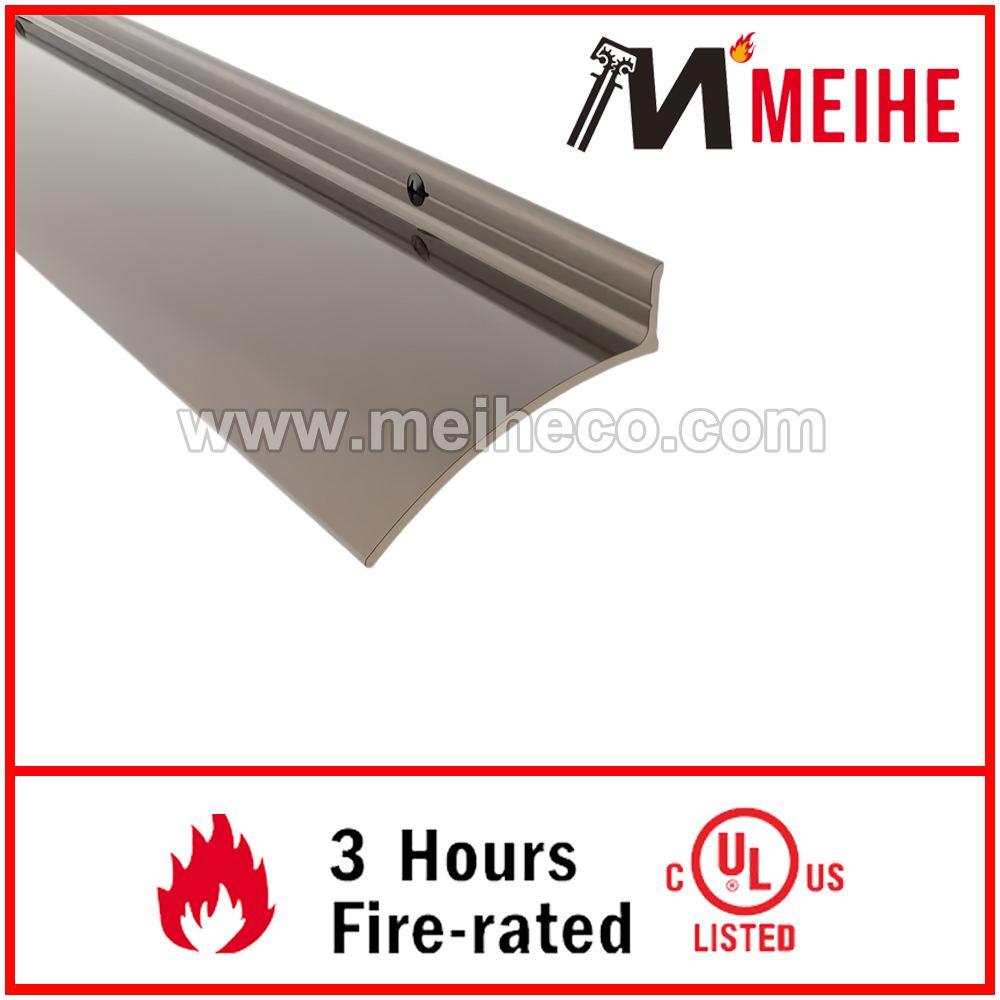
Choosing the right door bottom seal can make a significant difference in how well a door performs. While any door can benefit from basic weatherstripping, not all door types gain the same level of advantage from an automatic door bottom seal. Understanding which door configurations are most compatible with this solution helps facility managers, architects, and property owners make smarter installation decisions. The right door bottom seal reduces drafts, blocks noise, limits dust ingress, and supports energy efficiency goals across a range of environments.
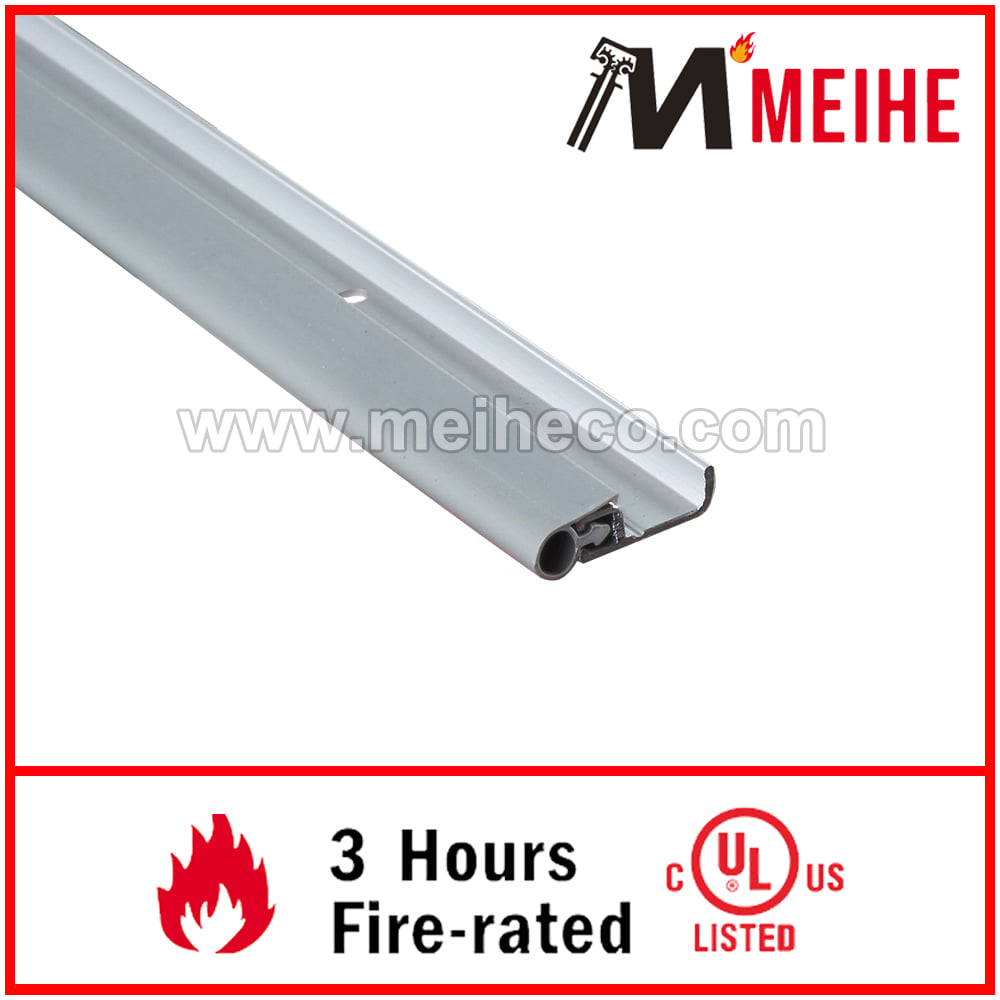
An automatic door bottom seal works by dropping a sealing element against the floor threshold when the door is closed and retracting it when the door opens. This mechanism preserves floor clearance during movement while maintaining a tight seal at rest. Because of this design, the door bottom seal is especially well suited to specific door types where gap sealing is critical but floor contact during swinging would cause friction or damage. Knowing which door types align best with this technology ensures you get the maximum return on your investment.
Solid Wood and Acoustic Doors
Why Solid Wood Doors Need a Door Bottom Seal
Solid wood doors are among the most common beneficiaries of an automatic door bottom seal. Because these doors are heavy, rigid, and often used in residential or commercial interior settings, they tend to leave significant gaps at the bottom when fitted to uneven floors. A door bottom seal compensates for these inconsistencies by pressing firmly against the threshold surface, regardless of minor floor undulations. This makes the door bottom seal particularly effective in older buildings where floors may have settled unevenly over time.
Beyond structural fit, solid wood doors are frequently used for privacy, where sound control matters. A properly installed door bottom seal on a solid wood door can substantially reduce airborne sound transmission. In home offices, bedrooms, and meeting rooms, the door bottom seal creates a consistent acoustic barrier that complements the natural density of the wood itself. Without a door bottom seal, even a high-quality solid wood door loses much of its sound-blocking potential through the bottom gap.
Acoustic Doors in Commercial Environments
Dedicated acoustic doors used in recording studios, conference rooms, and healthcare facilities rely heavily on a door bottom seal to complete their sound isolation system. These doors are engineered to attenuate noise, but any gap at the base undermines the entire system. The door bottom seal is the final component that closes the acoustic loop. Without it, low-frequency noise and ambient sound easily bypass the door panel. A high-performance door bottom seal rated for acoustic applications ensures that the door functions at its intended sound-reduction level.
Fire-Rated and Safety Doors
The Role of a Door Bottom Seal in Fire Protection
Fire-rated doors are designed to contain flames and smoke during an emergency, but their effectiveness depends on how completely they seal when closed. A door bottom seal that is approved for fire-rated applications creates a critical barrier against smoke migration, which is often more dangerous than the fire itself. When a fire-rated door is paired with a compliant door bottom seal, the combination can dramatically slow the spread of smoke through corridors and stairwells. This is why building codes in many regions specifically require a door bottom seal on fire-rated door assemblies.
The door bottom seal used in fire-rated applications must be made from materials that can withstand elevated temperatures without degrading. Intumescent versions of the door bottom seal expand under heat to fill gaps even more thoroughly. For any building that must meet fire safety regulations, selecting the correct door bottom seal is not optional — it is a compliance requirement and a life-safety measure. Property managers who overlook the door bottom seal on fire-rated doors may face both regulatory penalties and serious liability exposure.
Smoke-Control Doors in Hospitals and High-Rise Buildings
Smoke-control doors in hospitals, hotels, and high-rise office buildings benefit greatly from an automatic door bottom seal. These doors must remain functional for daily traffic while still sealing reliably during emergencies. The retractable nature of the door bottom seal supports both requirements: it stays clear of the floor during routine movement and drops into position during closure. This makes the automatic door bottom seal the preferred solution where operational convenience and emergency performance must coexist.
Exterior and Entrance Doors
Weather Protection With a Door Bottom Seal
Exterior entrance doors face the harshest conditions of any door type, making the door bottom seal one of the most impactful upgrades available. Rain, wind, cold air, and insects all exploit the gap beneath an exterior door. A door bottom seal creates a continuous contact point across the full width of the door, blocking these external elements effectively. In climates with extreme seasonal temperature changes, the door bottom seal helps maintain indoor comfort and reduces the load on heating and cooling systems.
For commercial entrances with high foot traffic, an automatic door bottom seal is especially practical. Because the seal retracts when the door opens, it avoids dragging across the threshold and wearing down prematurely. This extends the service life of the door bottom seal compared to static sweeps or brush-type seals. In lobbies, retail spaces, and building entrances, the door bottom seal quietly does its job without requiring manual adjustment or frequent replacement.
Sliding and Hinged Patio Doors
Sliding patio doors and hinged garden doors often struggle with bottom-edge sealing because of track systems or uneven outdoor thresholds. A door bottom seal designed for these configurations addresses both the gap problem and the surface variability problem at once. For hinged patio doors, the door bottom seal follows the sweep arc and adjusts to slight floor changes. This keeps outdoor air, moisture, and pests from entering the living space, making the door bottom seal a smart upgrade for any exterior door in residential or light commercial use.
FAQ
Can a door bottom seal be fitted to any door type?
Most door bottom seal products can be adapted to a wide range of door types, including wood, steel, and composite doors. However, the specific model and configuration of the door bottom seal must match the door width, thickness, and floor material. Automatic versions of the door bottom seal are best suited to doors with a standard swing mechanism and a reasonably flat threshold surface.
How does an automatic door bottom seal differ from a standard door sweep?
A standard door sweep stays in constant contact with the floor, which causes friction and wear over time. An automatic door bottom seal retracts when the door opens and deploys when it closes, reducing floor drag and extending product life. This makes the automatic door bottom seal more durable and better suited to high-traffic environments where seal performance and longevity both matter.
How often should a door bottom seal be inspected or replaced?
A good-quality door bottom seal typically lasts several years under normal use, but it should be inspected at least once a year. Signs that the door bottom seal needs attention include visible gaps when the door is closed, drafts at floor level, or unusual noise during door operation. Regular inspection ensures the door bottom seal continues to perform at the level required for comfort, energy savings, and code compliance.