
 EN
EN



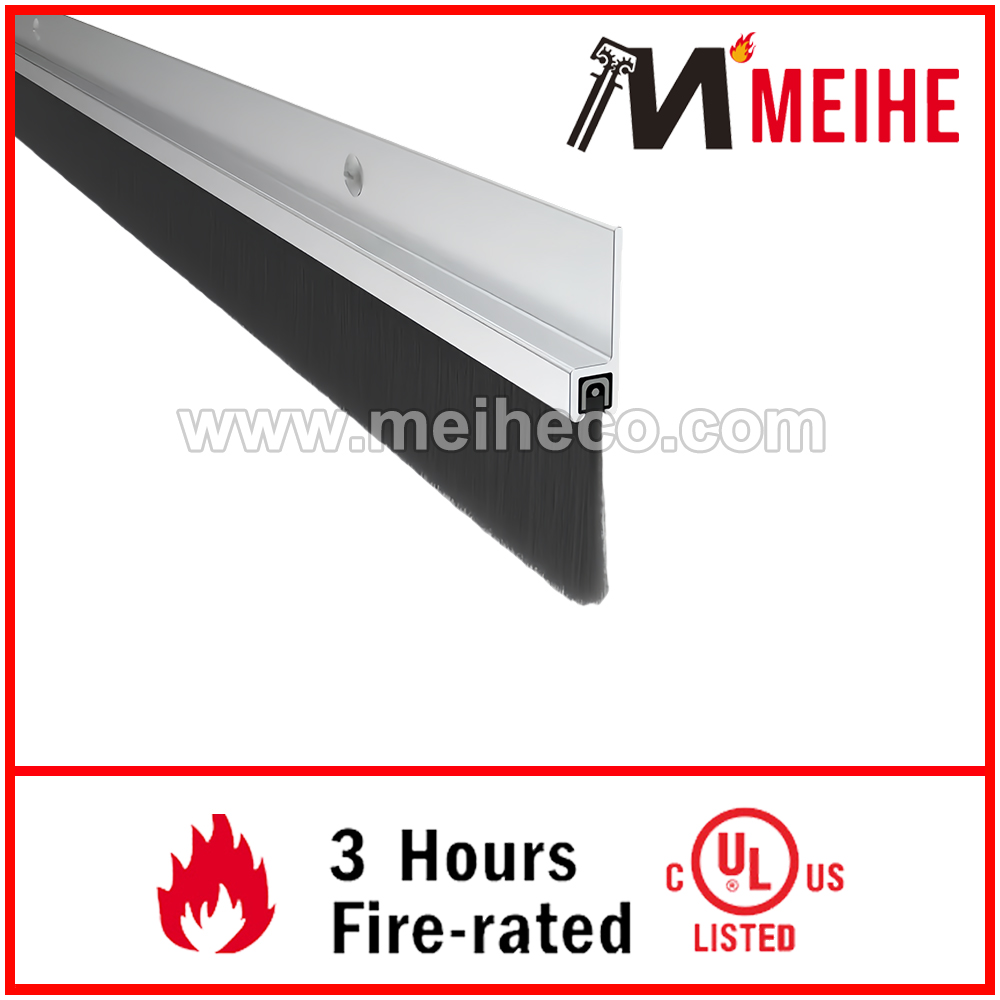
Proper installation of a brush door sweep is crucial for maintaining energy efficiency, preventing drafts, and keeping dust and pests out of your home or commercial space. Many property owners invest in quality weatherproofing solutions but fail to achieve optimal results due to common installation errors. Understanding these mistakes and learning how to avoid them can significantly improve the performance and longevity of your door sealing system. A well-installed brush door sweep creates an effective barrier that adapts to irregular floor surfaces while maintaining smooth door operation.
Common Measurement and Sizing Errors
Incorrect Door Width Assessment
One of the most frequent mistakes occurs during the initial measurement phase when installing a brush door sweep. Many installers measure only the door width without accounting for the door frame's actual opening dimensions. This oversight can result in purchasing a sweep that is either too short to provide complete coverage or too long, requiring excessive trimming that weakens the product's structural integrity. Professional contractors recommend measuring the door opening at multiple points, as some frames may not be perfectly square.
The gap between the door bottom and the threshold also requires careful assessment before selecting the appropriate brush door sweep model. Different sweep designs accommodate varying gap heights, and choosing the wrong specification can compromise sealing effectiveness. Standard residential doors typically have gaps ranging from half an inch to one inch, but commercial applications may require custom solutions for larger openings.
Inadequate Clearance Planning
Proper clearance planning involves understanding how the brush door sweep will interact with floor coverings, thresholds, and door operation patterns. Many installation failures occur because the sweep was sized without considering carpet thickness, area rugs, or uneven flooring transitions. The brush bristles must maintain consistent contact with the floor surface while allowing the door to open and close smoothly without excessive drag or binding.
Seasonal floor movement and settling can also affect clearance requirements over time. Wood floors, in particular, may expand or contract with humidity changes, potentially altering the optimal sweep positioning. Planning for these variations during initial installation helps prevent future adjustment issues and maintains consistent sealing performance throughout different weather conditions.
Mounting and Attachment Problems
Improper Screw Selection and Placement
The choice of fasteners plays a critical role in brush door sweep longevity and performance. Many installations fail prematurely due to inadequate screw selection or improper placement patterns. Standard wood screws may not provide sufficient holding power for heavy-duty commercial applications, while overly aggressive fasteners can split door materials or create stress concentrations that lead to mounting failure.
Screw placement should follow manufacturer specifications and consider door material properties. Hollow core doors require different fastening approaches than solid wood or metal doors, and the mounting hardware must be selected accordingly. Pre-drilling pilot holes prevents splitting and ensures accurate positioning, while countersinking screws creates a flush surface that won't interfere with door operation or catch on floor coverings.
Alignment and Leveling Issues
Proper alignment ensures that the brush door sweep maintains consistent contact across the entire door width while preserving smooth operation. Many installers rush through the alignment process, resulting in uneven brush contact that creates gaps where air, dust, and pests can penetrate. Using a level during installation helps identify and correct door irregularities before final mounting.
Temporary positioning with clamps or tape allows for adjustment testing before permanent attachment. This approach enables installers to verify proper door operation, check for binding points, and ensure adequate sealing contact. Making alignment corrections after installation often requires removing and reinstalling the entire sweep assembly, increasing labor costs and potential damage risks.
Adjustment and Positioning Mistakes
Inadequate Brush Contact Pressure
The effectiveness of any brush door sweep depends heavily on maintaining optimal contact pressure between the bristles and floor surface. Insufficient pressure allows air infiltration and reduces energy efficiency, while excessive pressure creates unnecessary wear on both the bristles and flooring materials. Finding the correct balance requires understanding the specific application requirements and floor surface characteristics.
Different bristle materials respond differently to compression forces, and installers must account for these properties during positioning. Natural bristles typically require lighter contact pressure than synthetic alternatives, while specialized applications like clean rooms or laboratories may have specific contamination control requirements that influence optimal positioning strategies.
Failure to Account for Door Movement
Doors naturally experience settling, thermal expansion, and operational wear that can affect brush door sweep positioning over time. Initial installations must accommodate these changes to maintain long-term effectiveness. Many failed installations result from positioning the sweep for current conditions without considering future adjustments or maintenance requirements.
Regular inspection and adjustment schedules help maintain optimal performance throughout the product lifecycle. Professional maintenance programs typically include quarterly checks for proper alignment, brush condition, and mounting hardware integrity. This proactive approach prevents minor issues from developing into complete system failures that require expensive replacement installations.
Material Compatibility and Selection Issues
Incompatible Bristle Materials
Selecting the appropriate bristle material for specific environmental conditions significantly impacts brush door sweep performance and longevity. Many installation failures occur because the chosen bristle type cannot withstand the intended application's temperature, chemical, or abrasion requirements. Industrial environments may require specialized bristles that resist oil, solvents, or extreme temperatures, while residential applications typically use standard synthetic materials.
Food service and healthcare facilities often have stringent hygiene requirements that dictate specific bristle materials and cleaning protocols. Standard brush door sweep materials may not meet these specialized needs, leading to contamination issues or premature replacement requirements. Understanding application-specific requirements before installation prevents costly retrofitting and ensures compliance with relevant regulations.
Mounting Hardware Mismatch
The mounting system must be compatible with both the door material and the intended service environment. Corrosion-resistant hardware is essential for exterior applications or areas with high humidity, while standard steel fasteners may be adequate for interior residential installations. Galvanic corrosion can occur when dissimilar metals are used in mounting systems, leading to premature failure and potential safety hazards.
Load-bearing requirements also influence hardware selection, particularly for heavy-duty commercial brush door sweep installations. High-traffic areas subject door hardware to repeated stress cycles that can exceed standard residential component ratings. Professional installers evaluate both static and dynamic loading conditions to ensure adequate safety margins and long-term reliability.
Maintenance and Long-term Performance Factors
Inadequate Cleaning and Care Protocols
Regular maintenance is essential for preserving brush door sweep effectiveness, yet many property owners neglect basic cleaning and inspection routines. Accumulated debris, dust, and moisture can compromise bristle flexibility and create binding points that interfere with door operation. Establishing appropriate cleaning schedules based on environmental conditions and usage patterns helps maintain optimal performance throughout the product lifecycle.
Different environments require customized maintenance approaches to address specific contamination sources and operational challenges. Industrial facilities may need weekly cleaning to remove manufacturing debris, while residential applications typically require monthly inspection and quarterly deep cleaning. Using appropriate cleaning agents and techniques prevents bristle damage while effectively removing accumulated contaminants.
Ignoring Wear Patterns and Replacement Indicators
Brush door sweep bristles gradually wear down through normal use, and recognizing replacement indicators helps maintain sealing effectiveness. Many property owners continue using worn sweeps well beyond their effective service life, compromising energy efficiency and allowing pest infiltration. Regular inspection of bristle length, flexibility, and mounting integrity provides early warning of required maintenance or replacement.
Uneven wear patterns often indicate installation or adjustment problems that should be corrected to prevent premature failure of replacement components. Documenting wear characteristics and replacement intervals helps optimize maintenance schedules and identify recurring issues that may require design modifications or alternative product selections for improved performance.
Environmental and Application Considerations
Weather and Climate Factor Neglect
Climate conditions significantly influence brush door sweep selection and installation requirements, yet many installers fail to account for local environmental factors. Extreme temperature variations can affect bristle flexibility and mounting hardware performance, while high humidity or precipitation exposure requires enhanced corrosion protection and drainage considerations.
Seasonal maintenance adjustments may be necessary in climates with significant temperature or humidity swings. Winter conditions often require different brush contact pressures than summer settings, and some installations benefit from seasonal bristle material changes to optimize performance across varying weather conditions. Planning for these adjustments during initial installation simplifies future maintenance and ensures consistent sealing effectiveness.
Traffic and Usage Pattern Mismatch
The frequency and type of door usage directly impacts brush door sweep wear rates and maintenance requirements. High-traffic commercial entrances experience much greater stress than residential interior applications, requiring more robust mounting systems and frequent inspection schedules. Matching the product specification to actual usage patterns prevents premature failure and reduces long-term maintenance costs.
Emergency egress requirements may also influence brush door sweep selection and installation methods. Fire safety codes often specify maximum resistance levels for door operation, and some brush configurations may not meet these requirements. Coordinating with local building officials during planning phases ensures compliance while maintaining sealing effectiveness for normal operations.
FAQ
How often should a brush door sweep be replaced
The replacement frequency for a brush door sweep depends on usage intensity, environmental conditions, and material quality. Residential applications typically require replacement every 2-3 years, while commercial installations may need annual replacement due to higher traffic volumes. Regular inspection of bristle condition, mounting integrity, and sealing effectiveness helps determine optimal replacement timing. Signs that indicate replacement needs include shortened bristles, loose mounting hardware, visible gaps during door closure, or increased drafts around the door perimeter.
Can I install a brush door sweep on any type of door
Most door types can accommodate brush door sweep installations, but specific mounting requirements vary based on door construction and material. Solid wood doors provide the most secure mounting surface, while hollow core doors may require specialized fasteners or reinforcement plates. Metal doors often need pre-drilling to prevent damage, and glass doors typically require alternative mounting approaches. The door's swing direction, clearance requirements, and local building codes also influence installation feasibility and methods.
What causes uneven wear on brush door sweep bristles
Uneven bristle wear typically results from improper installation alignment, irregular floor surfaces, or door operation issues. Misaligned sweeps create pressure concentrations that accelerate wear in specific areas, while warped or sagging doors can cause similar problems. Floor irregularities, carpet edges, or threshold transitions may also create localized wear patterns. Addressing the underlying cause through proper alignment, door adjustment, or floor preparation helps ensure even bristle wear and extends product life.
How do I determine the correct brush door sweep size for my door
Proper sizing requires measuring both the door width and the gap between the door bottom and floor surface. Measure the door width at the actual mounting location, accounting for any door frame irregularities or hardware that might affect installation. The gap measurement should be taken at multiple points across the door width to identify variations. Most brush door sweep products include sizing guides that match gap dimensions to appropriate bristle lengths, ensuring effective sealing without excessive drag during door operation.