
 EN
EN



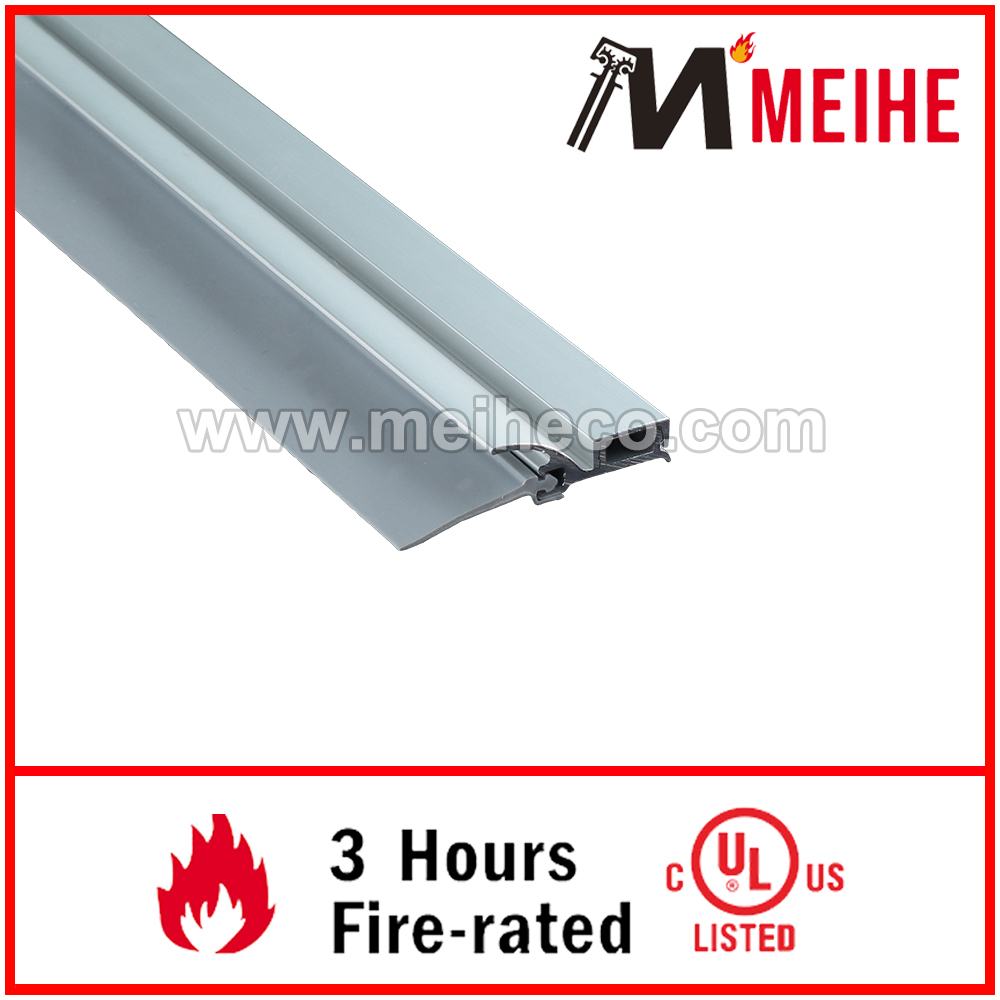
Cold climates present unique challenges for building thermal efficiency, with energy costs soaring during harsh winter months. One often overlooked component that significantly impacts indoor temperature stability is the door bottom seal, a critical barrier that prevents unwanted air exchange between interior and exterior environments. When properly installed and maintained, these sealing solutions create an effective thermal boundary that reduces heating costs while improving overall comfort levels throughout residential and commercial structures.
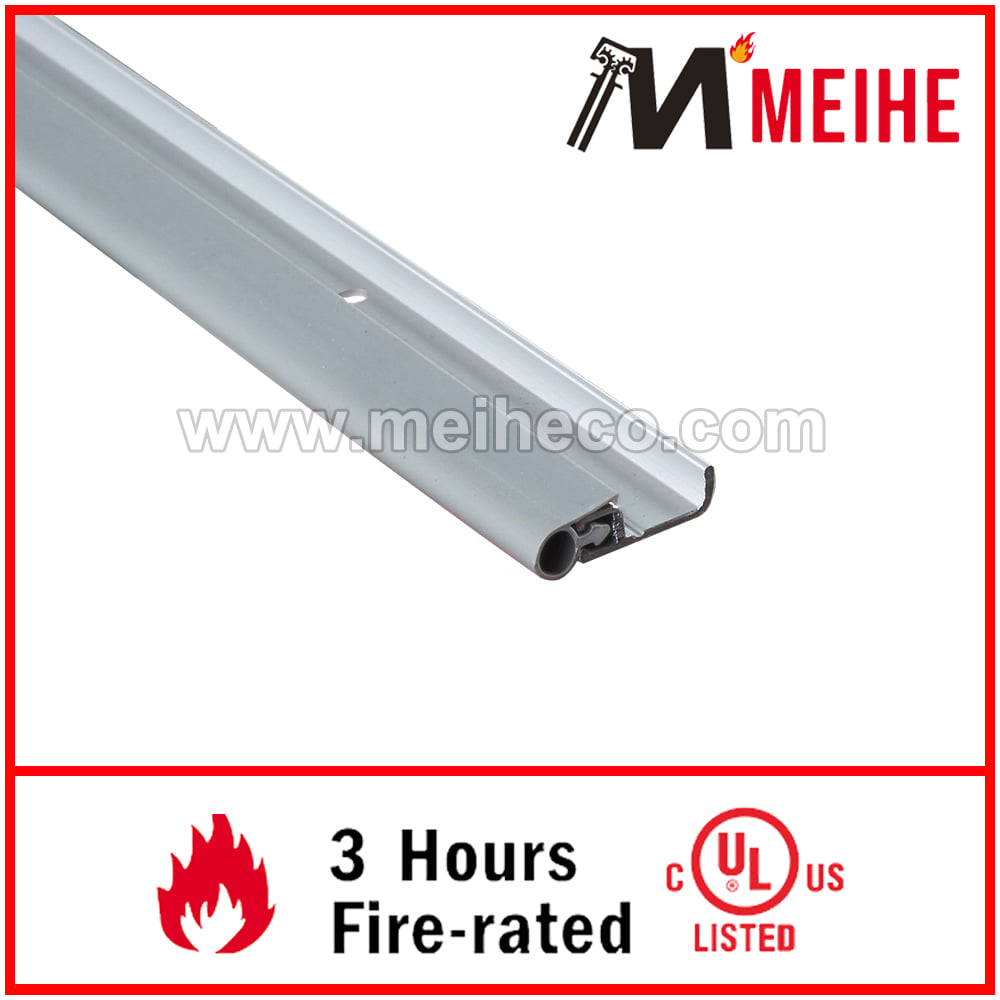
Professional building contractors and facility managers increasingly recognize that comprehensive thermal management requires attention to every potential air leakage point. Door bottom seals serve as the first line of defense against drafts, moisture infiltration, and temperature fluctuations that compromise building envelope integrity. Understanding how these components function within broader HVAC systems enables property owners to make informed decisions about energy conservation strategies.
Understanding Thermal Performance Challenges in Cold Weather
Heat Loss Mechanisms Through Door Gaps
Thermal energy transfer occurs through three primary mechanisms: conduction, convection, and radiation. Door bottom gaps create opportunities for convective heat loss, where warm indoor air escapes while cold outdoor air infiltrates living spaces. Research conducted by building science institutes demonstrates that even small gaps measuring one-eighth inch can result in significant energy losses equivalent to leaving a window partially open throughout winter months.
The stack effect amplifies these losses in multi-story buildings, where temperature differentials create pressure imbalances that drive air movement through unsealed openings. Door bottom seal systems counteract these forces by creating continuous barriers that maintain pressure equilibrium while preserving conditioned air within designated zones. Properly functioning seals reduce the workload on heating systems, extending equipment lifespan while decreasing operational costs.
Impact of Air Infiltration on Energy Consumption
Quantitative analysis reveals that uncontrolled air infiltration accounts for twenty to forty percent of heating and cooling energy consumption in typical buildings. Door bottom seals play crucial roles in minimizing these losses by maintaining consistent indoor temperatures that require less frequent heating system activation. Energy audits consistently identify door perimeter sealing as high-priority improvements that deliver immediate returns on investment.
Cold climate conditions exacerbate infiltration effects through increased temperature differentials between indoor and outdoor environments. Wind-driven air movement further intensifies pressure differentials that force conditioned air through unsealed gaps. Comprehensive door bottom seal installations create effective barriers against these environmental forces while maintaining comfortable interior conditions regardless of external weather patterns.
Door Bottom Seal Design and Material Considerations
Material Properties for Cold Climate Applications
Material selection significantly influences door bottom seal performance under extreme temperature conditions. Elastomeric compounds maintain flexibility at sub-zero temperatures while providing durable sealing characteristics that resist cracking and degradation. Advanced polymer formulations incorporate additives that prevent embrittlement during freeze-thaw cycles, ensuring consistent sealing performance throughout extended cold seasons.
Thermal conductivity properties affect heat transfer rates through sealing materials themselves. Low-conductivity compounds minimize thermal bridging while maintaining structural integrity under compression loads from door operation. Manufacturers engineer specialized formulations that balance flexibility, durability, and thermal resistance to optimize performance across diverse climate conditions and application requirements.
Geometric Configuration Options
Door bottom seal configurations vary from simple compression strips to sophisticated adjustable systems that accommodate different threshold heights and door clearances. Drop-down seals automatically extend when doors close, creating complete thermal barriers while retracting during door operation to prevent drag and wear. Surface-mounted options provide retrofit capabilities for existing installations without requiring extensive modifications to door frames or hardware.
Professional installation teams evaluate specific application requirements including door weight, operation frequency, and environmental exposure levels to recommend appropriate seal geometries. Adjustable mechanisms allow fine-tuning of compression forces that optimize sealing effectiveness while maintaining smooth door operation throughout temperature fluctuations that cause dimensional changes in building materials.
Installation Methods and Best Practices
Surface Preparation and Mounting Techniques
Successful door bottom seal installation begins with thorough surface preparation that removes debris, paint buildup, and irregularities that compromise sealing contact. Professional installers utilize specialized cleaning solvents and abrasive techniques to create smooth, uniform mounting surfaces that ensure consistent seal compression across the entire door width. Proper preparation prevents premature wear while maximizing thermal performance throughout the seal service life.
Mounting hardware selection considers both immediate installation requirements and long-term maintenance accessibility. Stainless steel fasteners resist corrosion in humid conditions while providing secure attachment that withstands repeated door operation cycles. Thread-locking compounds prevent hardware loosening due to thermal expansion and contraction cycles that occur during temperature fluctuations in cold climate applications.
Adjustment and Calibration Procedures
Proper door bottom seal adjustment requires careful attention to compression forces that balance sealing effectiveness with operational functionality. Over-compression causes premature wear and increased door operating forces, while insufficient compression allows air leakage that reduces thermal performance. Professional installation teams utilize pressure-sensitive measurement tools to verify optimal compression levels across the entire seal length.
Calibration procedures account for seasonal dimensional changes in door and frame materials that affect seal compression over time. Initial adjustments often require modification after building materials reach thermal equilibrium following installation. Regular maintenance schedules include compression verification and adjustment procedures that maintain door bottom seal performance throughout changing environmental conditions.
Performance Benefits and Energy Savings
Quantitative Thermal Performance Improvements
Field studies demonstrate that comprehensive door bottom seal installations reduce heating energy consumption by fifteen to twenty-five percent in cold climate applications. These savings result from decreased air infiltration rates that allow heating systems to maintain target temperatures with reduced operational time. Thermal imaging analysis reveals significant temperature stabilization around sealed door perimeters compared to unsealed installations.
Measurement data from building performance monitoring systems show consistent indoor temperature maintenance that reduces heating system cycling frequency. This operational efficiency extends equipment lifespan while decreasing maintenance requirements associated with frequent startup and shutdown cycles. Door bottom seal investments typically recover costs within two to three heating seasons through reduced energy expenses.
Comfort and Indoor Air Quality Enhancement
Beyond energy savings, door bottom seal systems significantly improve occupant comfort by eliminating cold drafts that create uncomfortable conditions near door areas. Consistent temperatures throughout interior spaces reduce the need for supplemental heating devices that consume additional energy. Improved thermal comfort allows thermostat settings that balance energy efficiency with occupant satisfaction.
Air quality benefits result from reduced infiltration of outdoor pollutants, allergens, and moisture that compromise indoor environmental conditions. Door bottom seal barriers prevent dust and debris entry while maintaining controlled ventilation systems that provide fresh air without energy penalties. These improvements contribute to healthier indoor environments that support productivity and well-being throughout cold weather periods.
Maintenance Requirements and Longevity
Inspection Protocols and Schedule
Regular door bottom seal inspection ensures continued thermal performance throughout extended service periods. Monthly visual examinations identify wear patterns, compression set, and damage that could compromise sealing effectiveness. Professional maintenance teams utilize specialized tools to measure compression forces and verify consistent contact across the entire seal length during routine inspections.
Seasonal inspection schedules coincide with temperature transitions that create stress on sealing materials through thermal cycling. Pre-winter evaluations ensure optimal performance during peak heating seasons, while post-winter assessments identify damage requiring repair or replacement before the next cold season. Documented inspection records track performance trends that predict maintenance requirements and replacement timing.
Replacement Indicators and Service Life
Door bottom seal replacement becomes necessary when visual inspection reveals cracking, permanent deformation, or loss of flexibility that indicates material degradation. Performance testing using smoke pencils or thermal imaging identifies air leakage that signals compromised sealing effectiveness. Prompt replacement prevents energy losses that quickly exceed the cost of new sealing components.
Service life expectations vary based on environmental exposure, door operation frequency, and material quality factors. High-quality door bottom seal products typically provide five to ten years of reliable service under normal operating conditions. Extreme temperature exposure and frequent door cycling may reduce service life, requiring more frequent replacement to maintain thermal performance standards.
FAQ
How often should door bottom seals be replaced in cold climates
Door bottom seal replacement frequency depends on several factors including material quality, environmental exposure, and usage patterns. In typical cold climate applications, high-quality seals provide five to seven years of reliable service before requiring replacement. However, extreme temperature fluctuations and frequent door operation may necessitate replacement every three to four years to maintain optimal thermal performance.
Can door bottom seals be installed on existing doors without modifications
Most door bottom seal systems offer retrofit installation options that accommodate existing doors without extensive modifications. Surface-mounted configurations attach directly to door bottoms using standard hardware, while some designs may require minor adjustments to door clearances. Professional installation assessment determines the most suitable seal type for specific door configurations and operational requirements.
What are the signs that a door bottom seal needs immediate replacement
Several indicators suggest immediate door bottom seal replacement including visible cracking or tearing, permanent compression set that prevents proper sealing contact, and noticeable drafts around door perimeters. Increased heating costs during cold weather periods may also indicate compromised seal performance requiring professional evaluation and potential replacement to restore thermal efficiency.
Do door bottom seals affect door operation or accessibility compliance
Properly installed door bottom seal systems should not significantly impact door operation when correctly sized and adjusted. Modern seal designs incorporate features that minimize operational resistance while maintaining effective sealing performance. Accessibility compliance considerations require professional evaluation to ensure seal installations meet applicable building codes and Americans with Disabilities Act requirements for door operation forces.