
 EN
EN



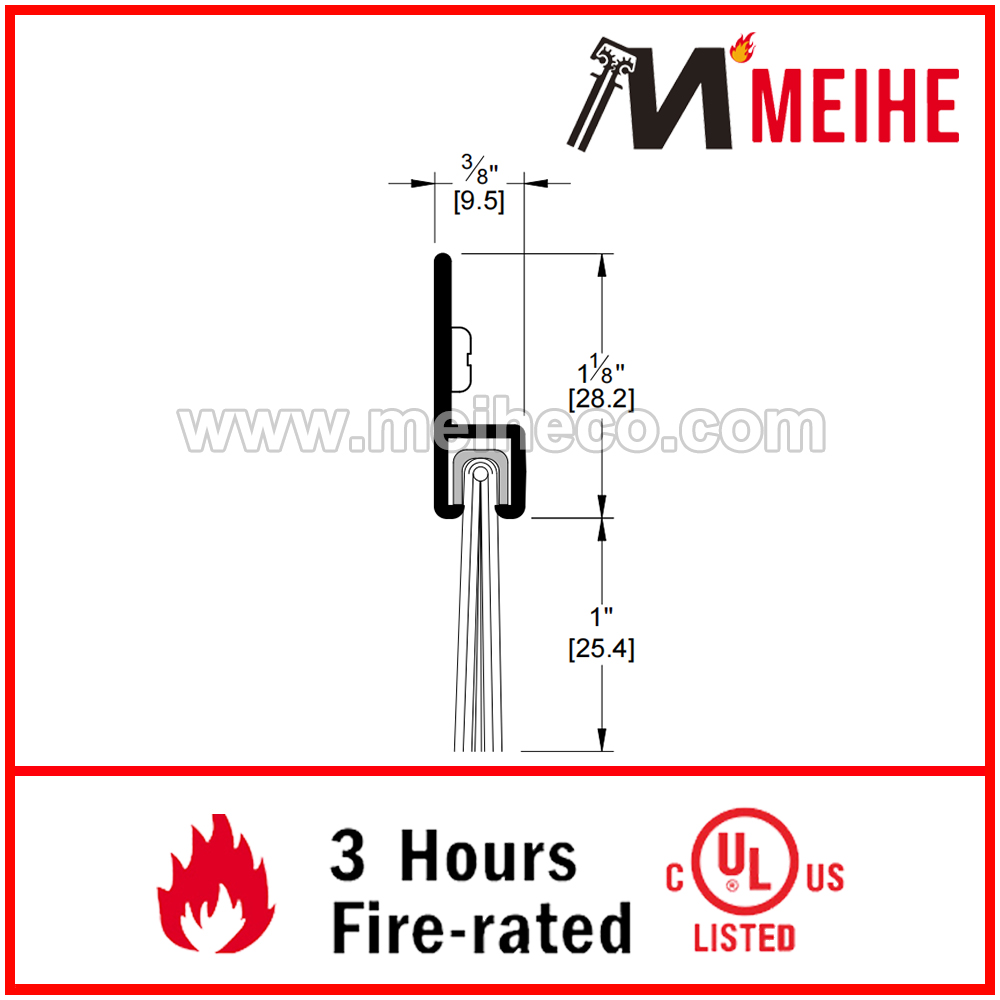
Indoor air quality and energy efficiency have become paramount concerns for homeowners and building managers seeking to optimize their living and working environments. Among the various weatherproofing solutions available, the brush door sweep stands out as an innovative and effective method for improving air sealing around doorways. This specialized weatherstripping component creates a flexible barrier that adapts to irregular floor surfaces while maintaining continuous contact to prevent air infiltration and energy loss.
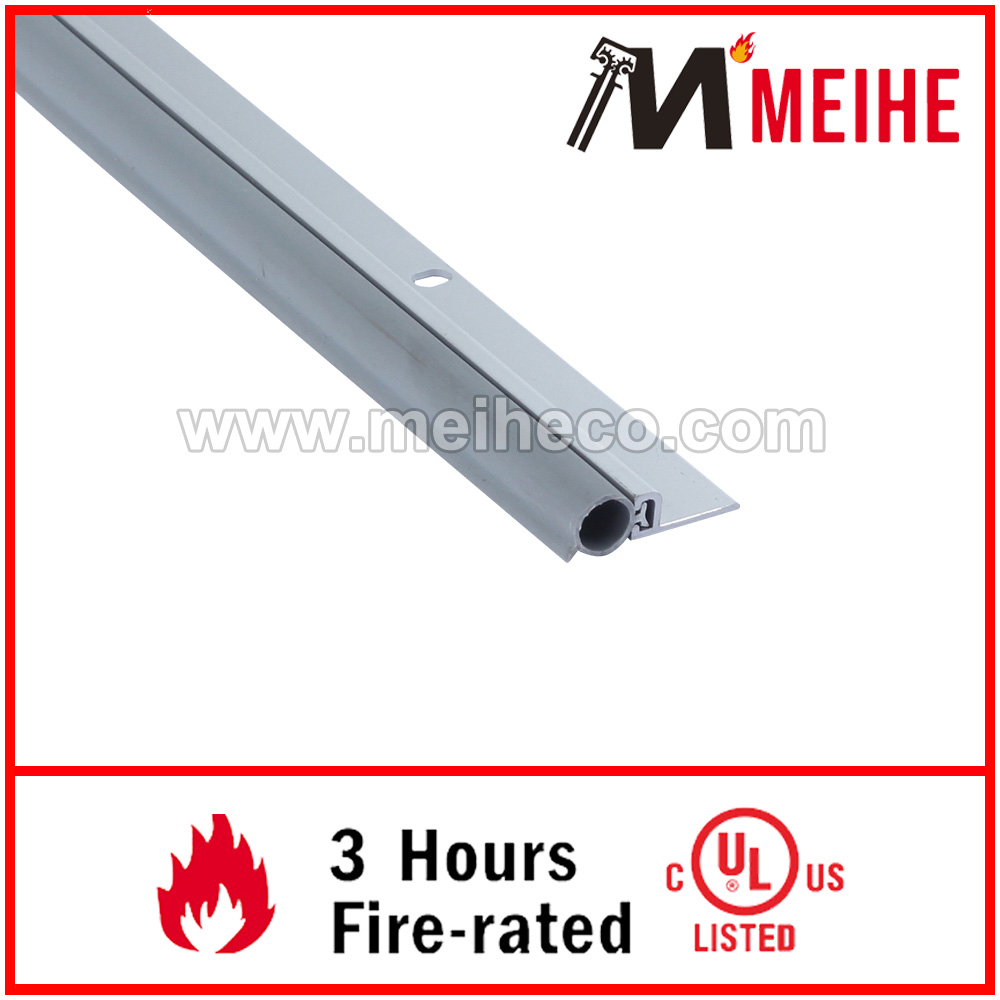
Modern construction practices emphasize building envelope integrity as a critical factor in achieving optimal thermal performance and indoor air quality. A properly installed brush door sweep addresses common air leakage points that traditional rigid weatherstripping often fails to seal effectively. The flexible bristles conform to uneven surfaces, creating a dynamic seal that maintains effectiveness even as building materials expand and contract with temperature fluctuations.
Understanding the mechanics of air infiltration through door gaps reveals why conventional sealing methods sometimes fall short. Air movement patterns around building openings create pressure differentials that can drive significant volumes of unconditioned air into interior spaces. The brush door sweep technology disrupts these air flows by creating multiple contact points along the door bottom, effectively reducing the pathway for unwanted air exchange.
Understanding Brush Door Sweep Technology
Construction Materials and Design Principles
The effectiveness of any brush door sweep depends heavily on the quality of materials used in its construction and the precision of its design. High-performance units typically feature dense bristle arrangements made from durable synthetic materials that resist compression set and maintain their sealing properties over extended periods. The mounting hardware must provide secure attachment while allowing for proper bristle positioning and adjustment to accommodate varying floor conditions.
Advanced brush door sweep designs incorporate multiple bristle densities and lengths to optimize sealing performance across different applications. The bristle material selection influences both durability and sealing effectiveness, with some formulations offering enhanced resistance to moisture, temperature extremes, and chemical exposure. Professional-grade installations often specify brush systems with replaceable bristle cartridges to maintain peak performance throughout the product lifecycle.
Installation Configuration Options
Proper installation methodology significantly impacts the long-term performance of brush door sweep systems. Surface-mounted configurations offer straightforward installation and maintenance access, while mortised installations provide enhanced aesthetics and protection from mechanical damage. The mounting height and bristle extension must be carefully calculated to ensure adequate floor contact without creating excessive drag during door operation.
Adjustable mounting systems allow for fine-tuning of bristle contact pressure and accommodation of seasonal building movement. These systems prove particularly valuable in commercial applications where door usage frequency and loading conditions vary significantly. The installation process requires precise measurement and alignment to achieve optimal sealing performance while maintaining smooth door operation.
Air Sealing Performance Benefits
Thermal Envelope Integrity Enhancement
Quantifying the thermal performance improvements achievable with quality brush door sweep installation reveals substantial energy savings potential. Studies conducted in various climate zones demonstrate measurable reductions in heating and cooling loads when door bottom air leakage is effectively controlled. The continuous seal provided by properly installed brush systems eliminates thermal bridging effects that can significantly impact overall building energy performance.
The dynamic sealing action of a brush door sweep maintains thermal envelope integrity even under varying operational conditions. Unlike rigid sealing materials that may lose effectiveness due to building movement or wear, the flexible bristle design adapts to changing conditions while maintaining consistent contact pressure. This adaptability proves especially valuable in high-traffic commercial environments where door operation frequency would quickly degrade less robust sealing solutions.
Indoor Air Quality Improvements
Beyond thermal performance benefits, effective door bottom sealing contributes significantly to maintaining indoor air quality standards. Uncontrolled air infiltration can introduce outdoor pollutants, allergens, and contaminants that compromise indoor environmental quality. A properly functioning brush door sweep creates a barrier against these unwanted intrusions while supporting controlled ventilation strategies designed to maintain healthy indoor air conditions.
The filtration effect provided by dense bristle arrangements can capture particulate matter that would otherwise enter through door gaps. This mechanical filtration, while secondary to the primary sealing function, contributes to overall indoor air quality management. Commercial applications particularly benefit from this additional protection against outdoor air contaminants that could affect occupant health and comfort.
Comparative Analysis with Alternative Sealing Methods
Rigid Weatherstripping Limitations
Traditional rigid weatherstripping materials, while effective in some applications, present significant limitations when addressing irregular floor surfaces or high-movement door installations. Rubber and foam-based seals require consistent surface contact to maintain their sealing effectiveness, making them vulnerable to gaps created by floor irregularities or door sagging. The brush door sweep design overcomes these limitations through its inherent flexibility and adaptive sealing characteristics.
Durability comparisons reveal that rigid weatherstripping materials often experience accelerated degradation under high-traffic conditions. The compression and relaxation cycles associated with frequent door operation can cause permanent deformation in foam-based seals, leading to progressive sealing performance degradation. Brush systems distribute these mechanical stresses across multiple bristle contact points, significantly extending operational life and maintaining consistent performance.
Automatic Door Bottom Systems
Automatic door bottom systems represent a sophisticated alternative to fixed brush door sweep installations, offering retractable sealing elements that deploy when the door closes. While these systems provide excellent sealing performance and minimal operational interference, they require more complex installation procedures and ongoing maintenance attention. The mechanical complexity inherent in automatic systems also introduces potential failure points that could compromise sealing effectiveness.
Cost considerations often favor brush door sweep solutions for many applications, particularly where installation simplicity and maintenance requirements are primary concerns. The passive operation of brush systems eliminates the mechanical components that require periodic adjustment and replacement in automatic systems. This reliability advantage makes brush door sweep technology particularly attractive for high-volume commercial applications where maintenance access may be limited.
Application-Specific Performance Considerations
Residential Installation Benefits
Residential applications of brush door sweep technology offer homeowners an accessible and effective method for improving energy efficiency and comfort. The installation process requires minimal specialized tools or expertise, making it a practical do-it-yourself upgrade for many homeowners. The immediate benefits in terms of draft reduction and energy savings provide tangible return on investment that validates the upgrade decision.
Aesthetic considerations play an important role in residential brush door sweep selection, as the visible components must complement existing door hardware and interior design elements. Modern brush door sweep designs offer various finish options and profile configurations to coordinate with contemporary and traditional architectural styles. The unobtrusive nature of properly installed systems preserves door appearance while delivering functional benefits.
Commercial and Industrial Applications
Commercial environments present unique challenges that highlight the advantages of brush door sweep technology. High-traffic conditions, frequent cleaning requirements, and diverse door sizes require sealing solutions that can withstand intensive use while maintaining consistent performance. The modular nature of many brush door sweep systems allows for customization to meet specific operational requirements and building codes.
Industrial applications often involve exposure to harsh environmental conditions that would quickly degrade conventional weatherstripping materials. Specialized brush door sweep formulations resist chemical exposure, temperature extremes, and mechanical abuse while continuing to provide effective air sealing. The field-replaceable nature of bristle components enables maintenance teams to restore peak performance without complete system replacement.
Installation Best Practices and Maintenance Requirements
Proper Measurement and Sizing Techniques
Achieving optimal performance from brush door sweep installations requires precise measurement and sizing to ensure appropriate bristle contact with floor surfaces. The measurement process must account for door clearances, floor irregularities, and operational requirements to determine proper bristle length and mounting position. Professional installation guidelines specify measurement tolerances and adjustment procedures to optimize sealing effectiveness.
Door weight and operational force considerations influence bristle selection and mounting hardware specifications. Heavy commercial doors require robust mounting systems and potentially stiffer bristle materials to maintain proper sealing contact without creating excessive operational resistance. The balance between sealing effectiveness and operational ease requires careful consideration during the specification process.
Long-term Performance Maintenance
Maintaining peak performance from brush door sweep installations involves periodic inspection and cleaning procedures to remove accumulated debris and assess bristle condition. The maintenance requirements are generally minimal compared to mechanical sealing systems, typically involving visual inspection and occasional cleaning with standard maintenance equipment. Replacement schedules depend on usage intensity and environmental conditions but generally extend several years for quality installations.
Performance monitoring involves observing changes in door operation force and conducting periodic air leakage assessments to verify continued sealing effectiveness. Early detection of bristle wear or mounting system degradation enables proactive maintenance that preserves system performance and extends operational life. Documentation of maintenance activities supports warranty compliance and helps optimize replacement scheduling.
FAQ
How does a brush door sweep differ from traditional rubber door seals
A brush door sweep uses flexible bristles that conform to irregular surfaces and maintain contact even when floors are uneven, while rubber seals require consistent surface contact and may leave gaps on irregular surfaces. The bristle design also distributes wear across multiple contact points, typically lasting longer than rubber alternatives in high-traffic applications.
What factors should be considered when selecting brush door sweep bristle density
Bristle density selection depends on the required sealing level, door weight, and operational frequency. Higher density bristles provide better sealing but may increase door opening force, while lower density options reduce operational resistance but may compromise sealing effectiveness. The specific application requirements and user preferences help determine the optimal balance.
Can brush door sweep systems be installed on existing doors without modifications
Most brush door sweep systems are designed for surface mounting on existing doors without requiring structural modifications. The installation typically involves measuring, positioning, and securing the mounting hardware with standard fasteners. Some applications may require minor adjustments to door clearances or hardware positioning to optimize performance.
How long do brush door sweep systems typically last before requiring replacement
Quality brush door sweep systems typically provide 5-10 years of effective service in residential applications and 3-7 years in commercial environments, depending on usage intensity and environmental conditions. The bristle components may require replacement more frequently than the mounting hardware, and some systems offer replaceable bristle cartridges to extend overall system life.
Table of Contents
- Understanding Brush Door Sweep Technology
- Air Sealing Performance Benefits
- Comparative Analysis with Alternative Sealing Methods
- Application-Specific Performance Considerations
- Installation Best Practices and Maintenance Requirements
-
FAQ
- How does a brush door sweep differ from traditional rubber door seals
- What factors should be considered when selecting brush door sweep bristle density
- Can brush door sweep systems be installed on existing doors without modifications
- How long do brush door sweep systems typically last before requiring replacement