
 EN
EN




Installing a door sweep on uneven floors presents unique challenges that require careful planning and execution. When floor surfaces are not perfectly level, traditional installation methods often result in unwanted gaps that compromise the door sweep's effectiveness in blocking drafts, moisture, and pests. Understanding the proper techniques for addressing uneven floor conditions is essential for achieving a professional installation that maintains consistent contact between the door sweep and floor surface throughout the entire door width.
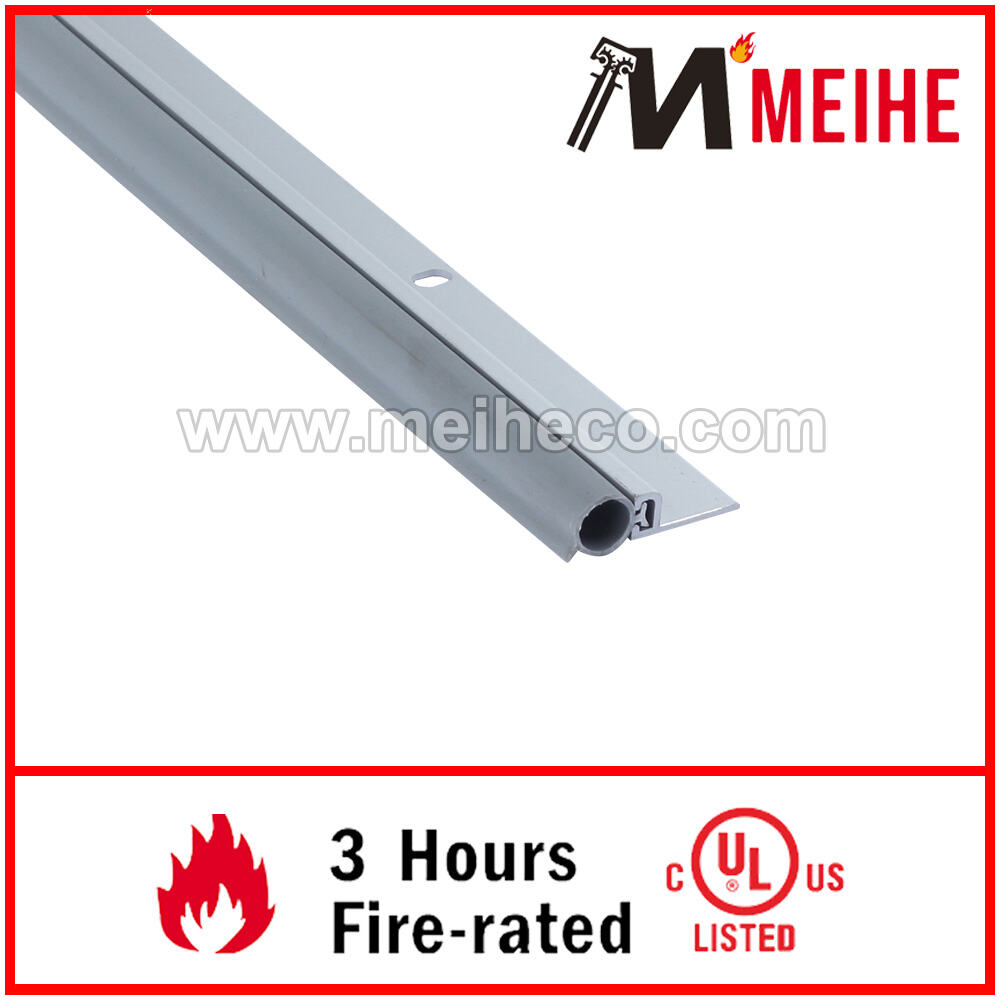
Uneven floors create installation complications that can significantly impact the performance of any door sweep system. These irregularities may result from settling foundations, worn flooring materials, or improper subfloor preparation during construction. The key to successful installation lies in accurately measuring floor variations and selecting appropriate adjustment methods that accommodate these differences while maintaining optimal sealing performance.
Professional contractors and experienced installers recognize that addressing uneven floor conditions requires more than simply attaching a standard door sweep to the bottom of a door. The installation process must account for height variations, surface irregularities, and potential future movement in both the flooring and door frame. This comprehensive approach ensures long-lasting performance and eliminates the need for frequent adjustments or replacements.
Understanding Floor Irregularities and Their Impact
Common Types of Floor Unevenness
Floor irregularities manifest in various forms, each requiring specific considerations during door sweep installation. High spots and low spots along the door's path create the most challenging conditions, as they directly affect the door sweep's ability to maintain consistent floor contact. These variations often occur due to subflooring issues, inadequate floor preparation, or natural settling over time.
Sloping floors present another common challenge, particularly in older buildings where foundation settling has occurred. When floors slope away from or toward the door, achieving uniform contact requires careful measurement and potentially custom fitting techniques. The door sweep must accommodate these gradual changes while maintaining effective sealing performance across the entire door width.
Transition areas between different flooring materials frequently create height differences that complicate installation. These transitions may include carpet to hardwood, tile to vinyl, or concrete to finished flooring surfaces. Each material change presents unique challenges that must be addressed through proper measurement and installation techniques.
Measuring and Documenting Floor Variations
Accurate measurement of floor irregularities forms the foundation of successful door sweep installation on uneven surfaces. Using a long straightedge or level, installers can identify high and low points along the door's travel path. These measurements should be documented at regular intervals, typically every six to twelve inches, to create a comprehensive profile of the floor's surface.
Digital levels and laser measuring tools provide enhanced accuracy when documenting floor variations. These instruments can detect subtle irregularities that may not be apparent through visual inspection alone. Creating a detailed measurement record allows for precise planning of installation adjustments and ensures optimal door sweep performance.
The measurement process should extend beyond the immediate door area to include adjacent flooring surfaces that may affect door operation. Understanding the broader floor profile helps installers anticipate potential issues and select appropriate installation methods that accommodate existing conditions while maintaining long-term functionality.
Pre-Installation Preparation Techniques
Surface Assessment and Cleaning
Thorough surface preparation ensures optimal adhesion and performance of the door sweep installation. All debris, dust, and residue must be removed from both the door bottom and floor surfaces where contact will occur. This cleaning process should include degreasing agents when dealing with surfaces that may have accumulated oils or other contaminants over time.
Surface assessment extends beyond simple cleaning to include evaluation of the door's condition and existing hardware. Worn or damaged door edges may require repair or modification before installation can proceed effectively. Similarly, existing weatherstripping or previous door sweep remnants must be completely removed to ensure proper fit and function of the new installation.
The assessment process should also identify any structural issues that may affect the door sweep installation. Doors that bind, stick, or operate improperly may indicate underlying problems that should be addressed before proceeding with weatherstripping installation. Resolving these issues beforehand prevents future complications and ensures optimal performance of the completed installation.
Tools and Materials Selection
Selecting appropriate tools and materials for uneven floor installations requires careful consideration of the specific challenges presented by each situation. Adjustable door sweep systems offer enhanced flexibility when dealing with significant floor variations, allowing for fine-tuning during and after installation. These systems typically include adjustment mechanisms that accommodate different floor heights without requiring removal and reinstallation.
Specialized installation tools facilitate precise fitting on uneven surfaces. These may include adjustable scribing tools, flexible measuring devices, and custom cutting equipment designed specifically for weatherstripping applications. Having the right tools available before beginning installation prevents delays and ensures professional-quality results.
Material selection should account for the specific environmental conditions and performance requirements of each application. Different door sweep materials offer varying degrees of flexibility and conformability to uneven surfaces. Understanding these characteristics helps installers choose the most appropriate solution for each unique situation.
Installation Methods for Uneven Floor Conditions
Flexible Installation Techniques
Flexible installation approaches accommodate floor irregularities through strategic positioning and adjustment methods. The door sweep can be positioned to follow the floor's contour while maintaining effective sealing performance. This technique requires careful measurement and marking to ensure consistent contact pressure across varying floor heights.
Segmented installation methods involve dividing the door sweep into sections that can be individually adjusted to accommodate floor variations. This approach works particularly well when dealing with significant irregularities that cannot be addressed through simple positioning adjustments. Each segment can be fitted to its specific floor section while maintaining overall system integrity.
The flexible installation process often requires multiple test fittings to achieve optimal results. Door operation should be tested throughout the installation process to ensure smooth function without binding or excessive resistance. Fine adjustments may be necessary to balance sealing effectiveness with proper door operation.
Shimming and Adjustment Strategies
Strategic shimming provides an effective solution for addressing minor floor irregularities during door sweep installation. Thin shims can be placed behind mounting brackets or along the door sweep body to compensate for low spots in the floor surface. This technique maintains consistent contact pressure while accommodating floor variations up to several millimeters.
Adjustment mechanisms built into quality door sweep systems allow for post-installation fine-tuning. These features enable installers to modify the door sweep position after initial installation, accommodating seasonal changes or minor settling that may occur over time. Regular adjustment capability extends the useful life of the installation and maintains optimal performance.
The shimming process requires careful attention to door operation throughout the adjustment procedure. Excessive shimming can create binding or operational issues, while insufficient adjustment may leave gaps that compromise sealing effectiveness. Finding the proper balance requires experience and patience during the installation process.
Common Installation Mistakes and Prevention
Avoiding Measurement Errors
Measurement accuracy is critical for successful door sweep installation on uneven floors. Common errors include failing to account for floor variations across the entire door width and relying on single-point measurements rather than comprehensive floor profiling. These mistakes often result in installations that appear correct at specific points but leave gaps in other areas.
Temperature and humidity conditions can affect both floor surfaces and door sweep materials during installation. Measurements taken under extreme conditions may not accurately reflect normal operating conditions, leading to gaps or binding issues as environmental conditions change. Professional installers account for these variables by conducting measurements under typical conditions when possible.
Documentation of measurements prevents errors during the installation process and provides reference information for future adjustments or maintenance. Detailed records help installers verify their work and troubleshoot any issues that may arise after installation completion.
Preventing Operational Issues
Door binding represents one of the most common operational issues resulting from improper door sweep installation on uneven floors. This problem typically occurs when the door sweep is positioned too low or when installation methods fail to account for floor variations. Testing door operation throughout the installation process helps identify and resolve binding issues before they become problematic.
Excessive wear patterns often develop when door sweep installations do not properly accommodate floor irregularities. Areas of high contact pressure may wear prematurely, while low-contact areas may allow air infiltration and moisture penetration. Balanced installation techniques prevent these issues by distributing contact pressure evenly across the entire door sweep length.
Noise issues during door operation frequently result from improper contact between the door sweep and floor surface. Irregular contact patterns can create scraping, dragging, or squeaking sounds that become problematic over time. Proper installation techniques that ensure smooth, consistent contact eliminate these noise concerns while maintaining effective sealing performance.
Long-Term Maintenance and Adjustment
Regular Inspection Procedures
Establishing regular inspection routines ensures continued effectiveness of door sweep installations on uneven floors. Monthly visual inspections can identify wear patterns, gap formation, or operational changes that may indicate the need for adjustment or maintenance. These inspections should include checking for proper door operation, examining the door sweep for damage or wear, and verifying consistent floor contact.
Seasonal inspection schedules account for environmental changes that may affect both floor conditions and door sweep performance. Temperature fluctuations, humidity variations, and seasonal settling can all impact installation effectiveness over time. Regular monitoring allows for proactive adjustments that maintain optimal performance throughout changing conditions.
Documentation of inspection findings helps track performance trends and identify recurring issues that may require systematic solutions. This information proves valuable for planning maintenance activities and making informed decisions about replacement timing or installation modifications.
Adjustment and Replacement Planning
Planned adjustment procedures help maintain door sweep effectiveness as floor conditions change over time. Many installations benefit from periodic fine-tuning to accommodate minor settling or wear patterns that develop during normal use. Having adjustment procedures established in advance prevents minor issues from becoming major problems.
Replacement planning should consider both the expected lifespan of the door sweep material and the potential for changing floor conditions. Quality installations may last many years with proper maintenance, but environmental factors or structural changes may necessitate earlier replacement. Planning for these contingencies helps ensure continued performance without extended periods of reduced effectiveness.
The replacement process for door sweep installations on uneven floors often benefits from the experience gained during initial installation. Documentation of successful techniques and lessons learned during the original installation proves valuable for future maintenance or replacement activities.
FAQ
What is the maximum floor variation that can be accommodated during door sweep installation?
Most quality door sweep systems can accommodate floor variations up to 6-8 millimeters without requiring special modification. Larger variations may require custom fitting techniques, flexible materials, or segmented installation approaches. The specific accommodation capability depends on the door sweep design and installation method selected for each application.
How frequently should door sweep installations be inspected on uneven floors?
Door sweep installations on uneven floors should be inspected monthly during the first year to monitor performance and identify any adjustment needs. After the installation stabilizes, quarterly inspections are typically sufficient for most applications. High-use doors or challenging environmental conditions may require more frequent monitoring to maintain optimal performance.
Can door sweep installations be adjusted after initial installation on uneven floors?
Many modern door sweep systems include adjustment mechanisms that allow for post-installation modifications. These features enable fine-tuning of the door sweep position to accommodate minor floor changes or optimize performance. However, significant adjustments may require partial removal and reinstallation to achieve proper results.
What tools are essential for measuring floor variations before door sweep installation?
Essential measuring tools include a straight edge or level at least as long as the door width, measuring tape, and marking tools for documenting variations. Digital levels provide enhanced accuracy for detecting subtle irregularities. A scribing tool helps transfer floor profiles to the door sweep for custom fitting when necessary.
Table of Contents
- Understanding Floor Irregularities and Their Impact
- Pre-Installation Preparation Techniques
- Installation Methods for Uneven Floor Conditions
- Common Installation Mistakes and Prevention
- Long-Term Maintenance and Adjustment
-
FAQ
- What is the maximum floor variation that can be accommodated during door sweep installation?
- How frequently should door sweep installations be inspected on uneven floors?
- Can door sweep installations be adjusted after initial installation on uneven floors?
- What tools are essential for measuring floor variations before door sweep installation?