
 EN
EN



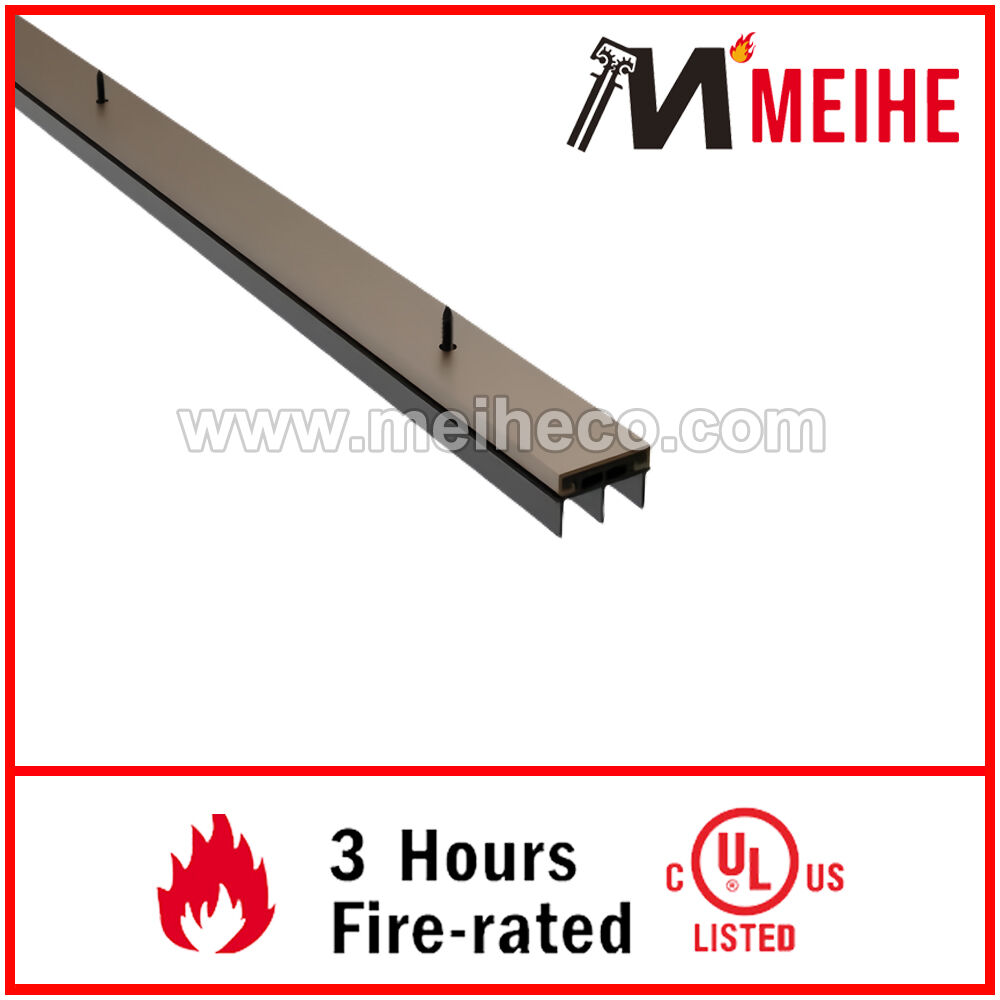
Heavy entrance doors create unique challenges when it comes to sealing gaps at the bottom threshold. Unlike lightweight interior doors, these substantial barriers require robust sealing solutions that can withstand frequent use while maintaining an effective seal against air infiltration. A door sweep represents one of the most practical and cost-effective methods for addressing drafts under heavy entrance doors, providing both energy efficiency benefits and enhanced comfort for building occupants.
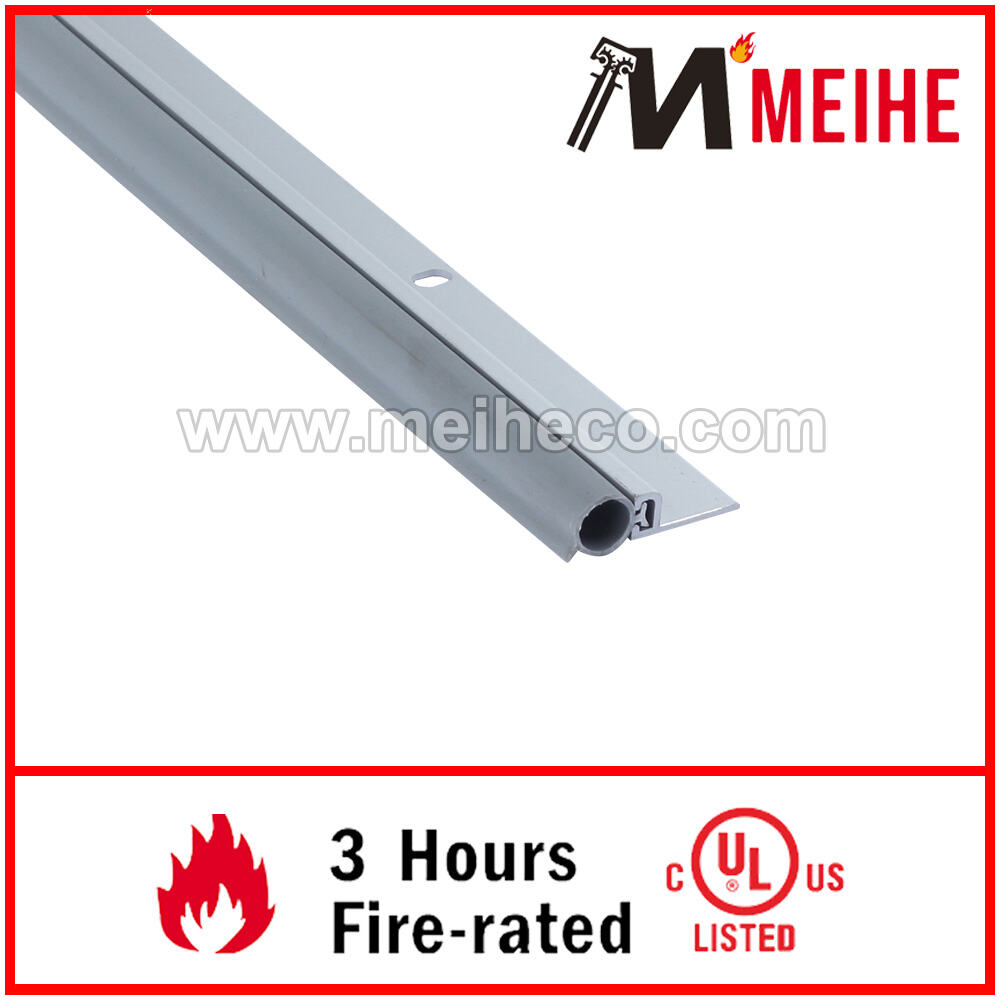
The effectiveness of a door sweep depends largely on proper selection and installation techniques tailored to the specific requirements of heavy entrance doors. These installations must account for increased door weight, higher traffic volumes, and exposure to outdoor weather conditions. Understanding the mechanics behind draft reduction helps building owners and facility managers make informed decisions about weatherization investments that deliver measurable energy savings.
Modern door sweep technology has evolved significantly to address the demanding requirements of commercial and institutional applications. Advanced materials and design innovations enable these sealing systems to maintain consistent performance even under the stress of frequent door operation and varying weather conditions. The selection process involves evaluating multiple factors including door weight, threshold design, clearance requirements, and expected service life.
Understanding Draft Formation Under Heavy Entrance Doors
Air Movement Dynamics
Draft formation under heavy entrance doors occurs through a complex interaction of pressure differentials and gap geometry. When indoor and outdoor temperatures differ, air movement naturally occurs through any available opening, including the space between the door bottom and threshold. Heavy doors often require larger clearances to accommodate their weight and prevent binding during operation, creating more significant pathways for air infiltration.
The stack effect in multi-story buildings amplifies draft issues, as warm air rises and creates negative pressure at ground level entrances. This phenomenon draws outdoor air through bottom gaps with considerable force, making effective sealing crucial for maintaining interior comfort and energy efficiency. A properly installed door sweep interrupts this airflow pattern by creating a flexible barrier that adapts to door movement while maintaining contact with the threshold surface.
Impact of Door Weight on Sealing Requirements
Heavy entrance doors present unique challenges that distinguish them from standard residential applications. The substantial weight requires robust hardware and may cause settling over time, affecting the consistency of the bottom gap. This settling can create uneven spaces that allow air infiltration even when a door sweep is installed, emphasizing the importance of adjustable sealing solutions.
Door weight also influences the type of door sweep mechanism that provides optimal performance. Automatic door sweeps that activate when the door closes offer advantages for heavy doors by ensuring consistent contact pressure without relying solely on door weight for sealing force. These systems can compensate for minor variations in door positioning while maintaining effective draft control throughout the door's operational life.
Door Sweep Design Principles for Heavy Applications
Material Selection Considerations
The choice of door sweep materials significantly impacts performance and longevity in heavy entrance door applications. Vinyl and rubber compounds offer excellent sealing properties but may compress over time under heavy door loads. Brush seals provide consistent contact across uneven surfaces but require periodic replacement as bristles wear. Metal-backed sweeps offer durability but require precise adjustment to prevent binding or inadequate sealing.
Advanced polymer materials combine the flexibility needed for effective sealing with the durability required for high-traffic applications. These materials resist compression set while maintaining elasticity across a wide temperature range. The selection process must consider not only initial sealing performance but also long-term reliability under the specific conditions of each installation.
Attachment Methods and Hardware
Proper attachment of a door sweep to heavy entrance doors requires hardware capable of withstanding the forces generated during door operation. Standard screws may loosen over time due to the dynamic loads created by heavy door movement. Specialized fasteners designed for high-stress applications provide more reliable long-term performance.
The attachment method must also accommodate the door construction materials and thickness. Solid wood doors require different fastening approaches than hollow metal doors or glass entrance systems. Some door sweep designs incorporate through-bolts or mechanical clamping systems that distribute attachment forces over larger areas, reducing the likelihood of fastener failure or door damage.
Installation Techniques for Optimal Performance
Pre-Installation Assessment
Successful door sweep installation begins with thorough assessment of the existing door and threshold conditions. This evaluation must identify any irregularities in the threshold surface, variations in the door bottom gap, and potential interference points that could affect seal performance. Heavy doors may have settled or shifted since initial installation, creating conditions that require compensation during door sweep selection and installation.
Measuring techniques for heavy entrance doors differ from residential applications due to the greater precision required and the challenges of working with substantial door weights. Professional installation often involves temporary door support systems to ensure accurate measurements and safe working conditions. The assessment should also consider seasonal variations in gap dimensions caused by thermal expansion and contraction of building materials.
Adjustment and Calibration Procedures
Proper adjustment of a door sweep requires balancing sealing effectiveness with operational functionality. Too much pressure against the threshold can create excessive drag that interferes with door operation, particularly problematic with heavy doors that already require significant force to move. Insufficient pressure compromises sealing performance and allows continued air infiltration.
Calibration procedures should account for the full range of door positions and operating conditions. The door sweep must maintain effective contact throughout the door's swing arc while accommodating any vertical movement that occurs during operation. Testing protocols should verify performance under various weather conditions and door operating speeds to ensure consistent results.
Performance Evaluation and Maintenance
Measuring Draft Reduction Effectiveness
Quantifying the draft reduction achieved by door sweep installation requires systematic measurement techniques that account for the complex airflow patterns around heavy entrance doors. Smoke pencil tests provide visual confirmation of air movement patterns before and after installation, while anemometer measurements offer quantitative data on air velocity reduction. These assessments help validate the effectiveness of the sealing system and identify any remaining problem areas.
Long-term performance monitoring involves periodic evaluation of sealing effectiveness as the door sweep experiences wear from regular use. Heavy entrance doors subject sealing systems to greater stress than typical applications, potentially leading to accelerated wear or adjustment drift. Regular monitoring helps identify maintenance needs before seal performance degrades significantly.
Maintenance Requirements and Schedules
Maintenance requirements for door sweep installations on heavy entrance doors typically exceed those of standard applications due to increased wear rates and more demanding operating conditions. Inspection schedules should account for traffic volume, weather exposure, and the specific design characteristics of the installed system. High-traffic entrances may require monthly inspections, while lower-use applications might need only quarterly assessments.
Maintenance procedures include checking fastener tightness, evaluating seal material condition, and verifying proper adjustment settings. Heavy doors may cause gradual loosening of attachment hardware, requiring periodic re-tightening or replacement with upgraded fasteners. The maintenance program should also address cleaning requirements, as debris accumulation can interfere with seal performance and accelerate wear.
Energy Efficiency and Cost Considerations
Calculating Energy Savings Potential
The energy savings potential from door sweep installation depends on multiple factors including climate zone, building usage patterns, and existing air leakage rates. Heavy entrance doors in commercial buildings often represent significant sources of energy loss due to their size and frequent operation. Quantifying these losses requires consideration of both infiltration rates and the energy required to condition replacement air.
Calculation methods should account for seasonal variations in temperature differentials and the impact of building pressurization systems on infiltration rates. Professional energy audits can provide baseline measurements that enable accurate projections of savings from door sweep installation. These assessments often reveal that draft reduction measures provide some of the highest returns on investment among building weatherization options.
Return on Investment Analysis
Investment analysis for door sweep installations must consider both initial costs and ongoing maintenance requirements over the expected service life of the system. Heavy-duty door sweep systems designed for demanding applications typically cost more than residential-grade products but offer superior longevity and performance. The analysis should factor in energy cost escalation rates and potential utility rebates that may be available for efficiency improvements.
Payback periods for door sweep installations are typically quite favorable, often ranging from six months to two years depending on energy costs and building characteristics. The calculation should include both direct energy savings and indirect benefits such as improved comfort, reduced HVAC system cycling, and potential extension of equipment service life due to reduced load requirements.
Advanced Door Sweep Technologies
Automatic Activation Systems
Automatic door sweep systems offer particular advantages for heavy entrance door applications by providing consistent sealing performance regardless of door positioning variations. These mechanisms typically use spring-loaded or magnetic activation to ensure positive contact with the threshold when the door closes. The automatic operation compensates for minor settling or adjustment drift that might compromise manual systems over time.
Integration with heavy door hardware requires careful consideration of activation forces and timing to ensure smooth operation without interference. Advanced systems include adjustable activation sensitivity and may incorporate dampening mechanisms to prevent harsh contact that could cause premature wear. These features prove particularly valuable in high-traffic applications where consistent performance is critical.
Smart Monitoring Capabilities
Emerging door sweep technologies incorporate sensors and monitoring capabilities that provide real-time performance data and maintenance alerts. These systems can detect changes in sealing effectiveness, hardware wear, or adjustment drift before they significantly impact energy performance. Smart monitoring proves particularly valuable for heavy entrance doors where access for inspection may be challenging or where system failure could have significant energy cost implications.
Data collected by monitoring systems enables predictive maintenance scheduling and helps optimize replacement timing to minimize lifecycle costs. The integration of door sweep monitoring with building automation systems provides facility managers with comprehensive information about building envelope performance and helps identify trends that might indicate broader maintenance needs.
FAQ
How long does a door sweep typically last on a heavy entrance door
The service life of a door sweep on heavy entrance doors varies significantly based on usage intensity, weather exposure, and material quality. High-quality commercial-grade door sweep systems typically provide 3-5 years of effective service in normal applications, while premium materials and designs may extend this to 7-10 years. Heavy doors subject sealing systems to greater mechanical stress, potentially reducing service life by 20-30% compared to lighter door applications. Regular maintenance and proper adjustment can significantly extend operational life by preventing premature wear from misalignment or excessive contact pressure.
Can a door sweep interfere with heavy door operation
Properly selected and installed door sweep systems should not interfere with heavy door operation when appropriate products are chosen for the specific application. However, incorrect sizing or adjustment can create excessive drag that makes door operation difficult, particularly problematic with already heavy doors. Professional installation ensures proper clearances and contact pressures that maintain sealing effectiveness without compromising operational functionality. Automatic door sweep systems often provide the best balance by ensuring sealing contact only when the door is closed, eliminating any potential interference during door movement.
What threshold conditions are required for effective door sweep performance
Effective door sweep performance requires a reasonably flat and clean threshold surface that allows consistent contact across the full door width. Minor irregularities up to 1/8 inch can typically be accommodated by flexible seal materials, but larger variations may require threshold repair or specialized door sweep designs. The threshold must also provide adequate clearance for door sweep attachment hardware while maintaining structural integrity under the additional loads imposed by heavy door operation. Regular cleaning of the threshold area prevents debris accumulation that could interfere with seal contact or cause accelerated wear.
How do I determine the right door sweep size for my heavy entrance door
Selecting the correct door sweep size requires accurate measurement of door width, bottom gap dimensions, and clearance requirements for proper operation. Heavy doors may require wider or more robust door sweep designs to handle the increased mechanical loads and provide adequate sealing across the full door width. Professional measurement techniques account for door sag, seasonal variations, and threshold irregularities that could affect sizing requirements. The selection process should also consider door construction materials, hardware configurations, and accessibility requirements for future maintenance to ensure long-term compatibility and performance.