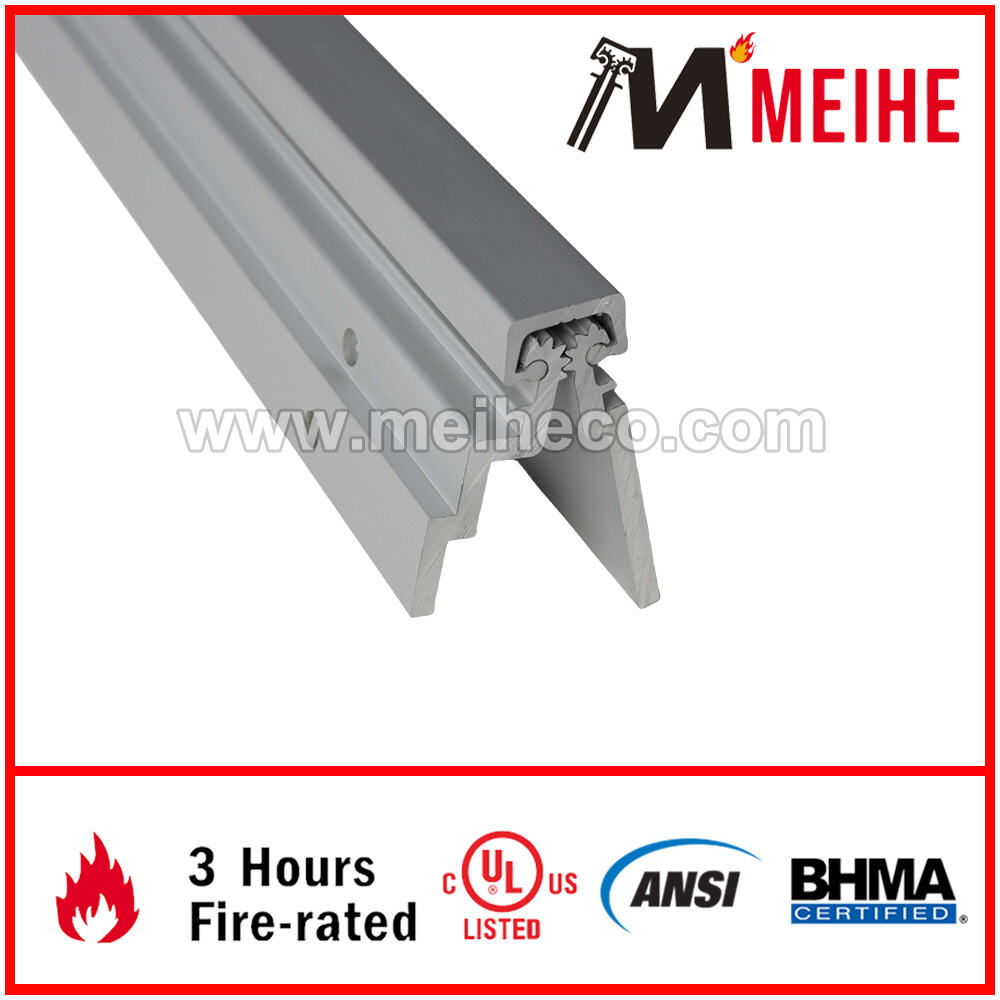
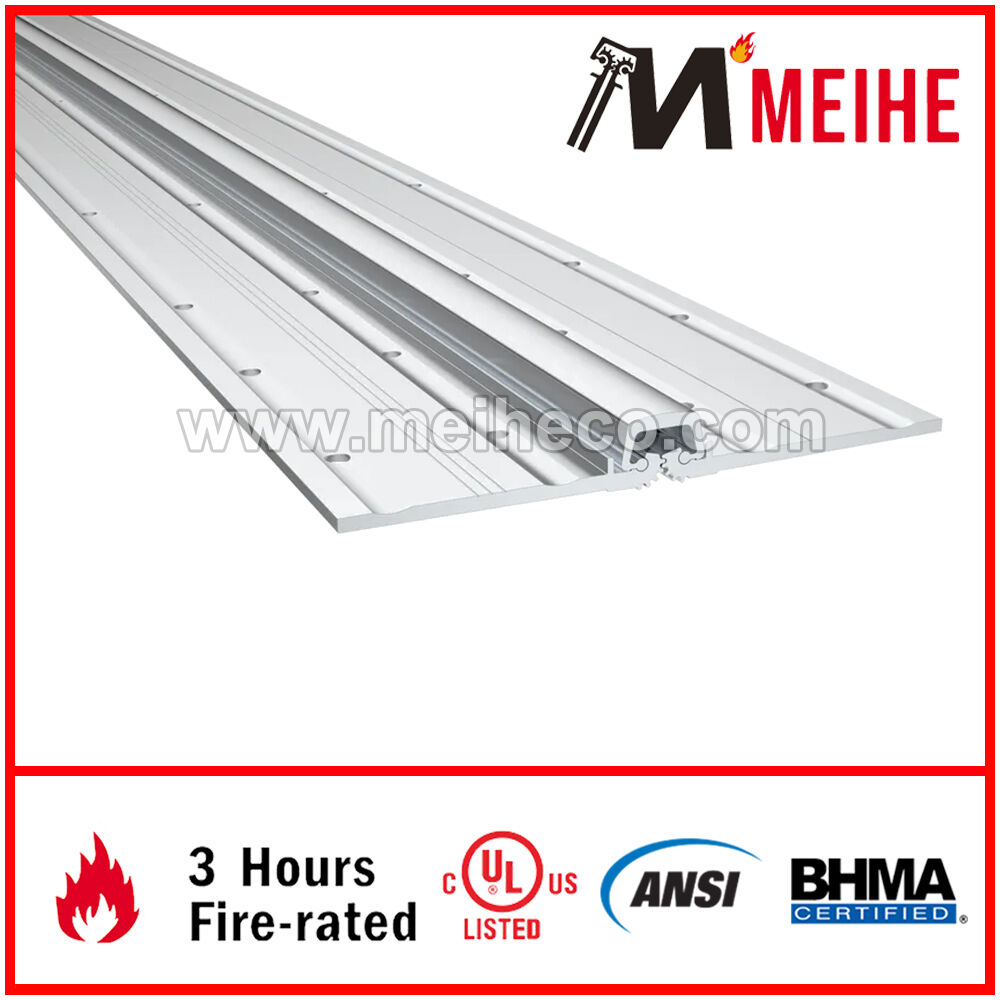
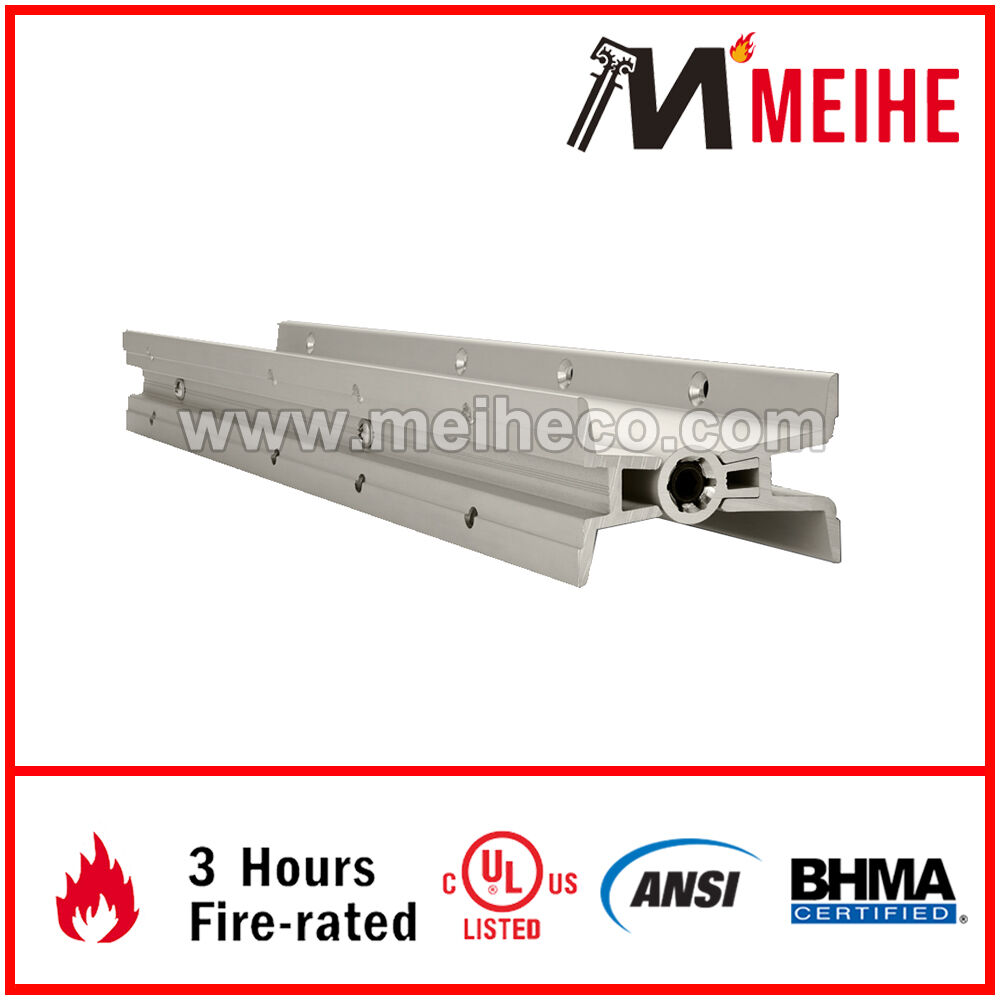
door pinch guard
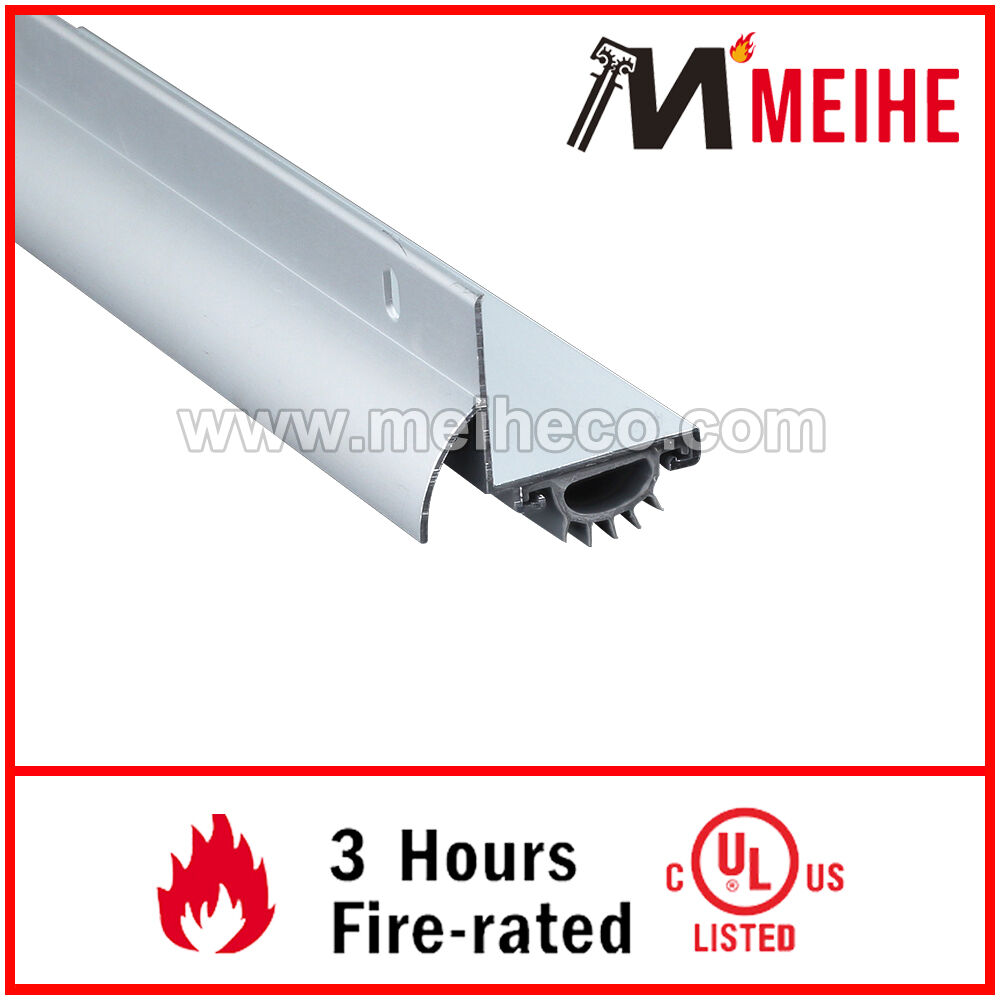
A door pinch guard represents an essential safety mechanism designed to prevent fingers, hands, and other body parts from being caught or crushed in door hinges and frames. This protective device serves as a critical barrier between moving door components and vulnerable areas where injuries commonly occur. The door pinch guard functions by creating a physical shield that covers the gap between the door and frame, effectively eliminating access to dangerous pinch points while maintaining normal door operation. Modern door pinch guard systems incorporate advanced materials and engineering principles to deliver reliable protection without compromising door functionality or aesthetic appeal. The primary mechanism involves strategically positioned cushioning elements or rigid barriers that absorb impact forces and redirect pressure away from potential injury zones. These safety devices utilize various technological approaches, including flexible polymer strips, hinged protective panels, and spring-loaded cushioning systems that automatically adjust to door movement patterns. Installation flexibility allows door pinch guard units to accommodate different door types, including residential entry doors, commercial fire doors, and specialized industrial applications. The technological features of contemporary door pinch guard designs include weather-resistant materials that withstand environmental exposure, antimicrobial surfaces that maintain hygiene standards, and modular construction that simplifies maintenance procedures. Advanced models incorporate visual warning indicators and textured surfaces that alert users to potential hazards while providing tactile feedback. Manufacturing specifications ensure compatibility with standard door hardware and building codes, making door pinch guard installation straightforward for both new construction and retrofit applications. The versatility of these safety devices extends across multiple sectors, including healthcare facilities, educational institutions, childcare centers, and residential buildings where occupant safety remains paramount.
 ×
×


 EN
EN