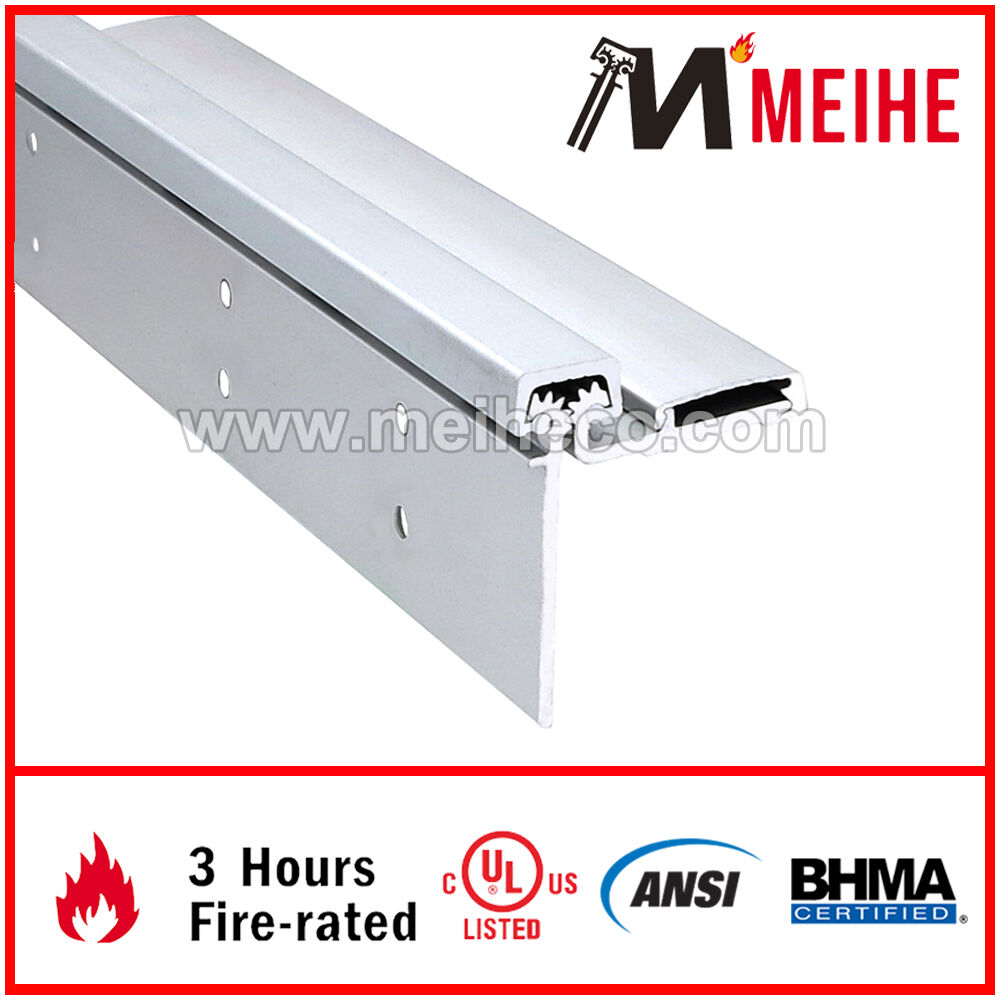
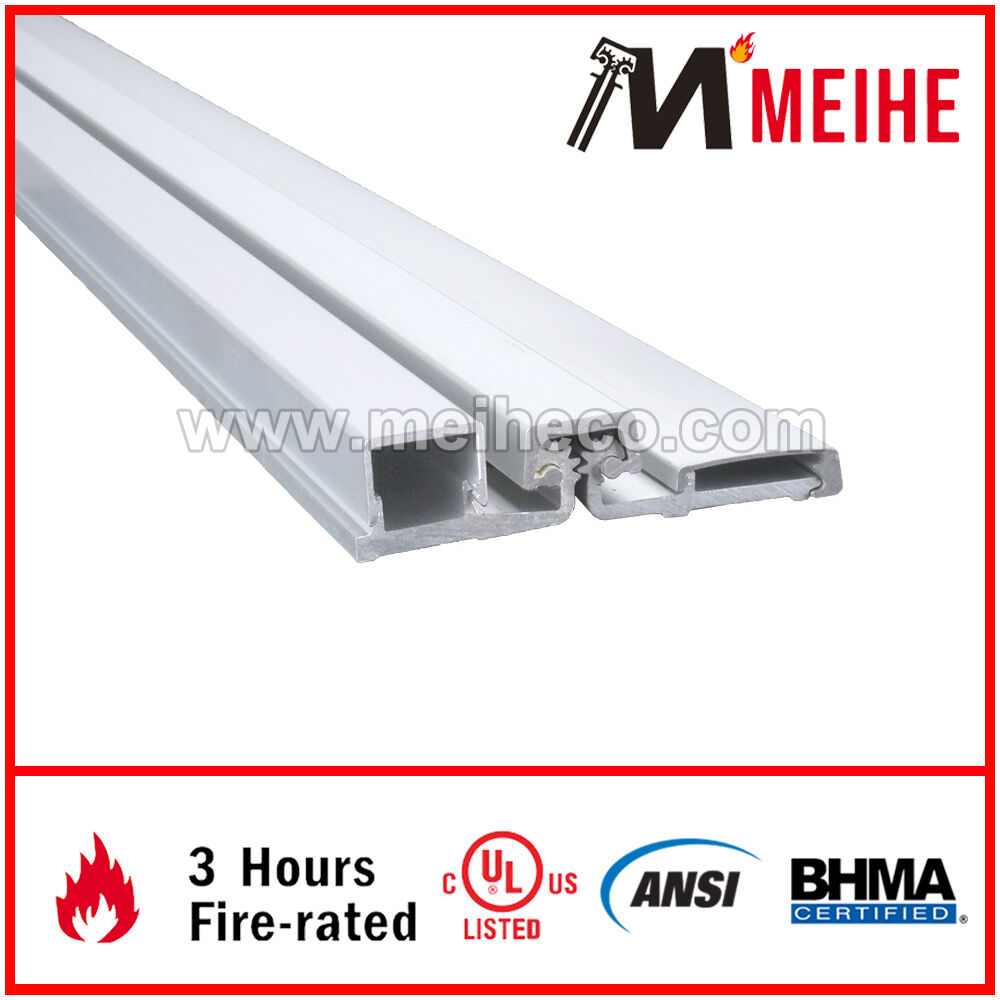
adjustable threshold
An adjustable threshold represents a sophisticated building component designed to provide seamless transitions between different floor surfaces while offering customizable height settings to accommodate various architectural requirements. This innovative threshold system serves as a critical element in modern construction, addressing the common challenges of floor level differences, accessibility compliance, and aesthetic continuity throughout residential and commercial spaces. The adjustable threshold incorporates advanced engineering principles that allow for precise height modifications without compromising structural integrity or visual appeal. The main functions of an adjustable threshold encompass bridging gaps between dissimilar flooring materials, creating smooth transitions that eliminate tripping hazards, and providing weather sealing capabilities for exterior applications. These thresholds excel in managing height differentials that commonly occur during renovation projects or when installing new flooring over existing surfaces. The technological features of adjustable thresholds include precision-engineered adjustment mechanisms that typically utilize screw-based or cam-lever systems for height modification. These components are manufactured from durable materials such as aluminum alloys, stainless steel, or reinforced composites that resist corrosion and maintain dimensional stability under varying environmental conditions. Advanced models incorporate integrated sealing systems with replaceable gaskets and weatherstripping to ensure optimal performance in exterior installations. The applications for adjustable thresholds span numerous sectors, including residential construction, commercial buildings, healthcare facilities, educational institutions, and industrial environments. They prove particularly valuable in doorway transitions, elevator entrances, wheelchair accessible routes, and areas requiring compliance with Americans with Disabilities Act standards. Professional contractors and architects frequently specify adjustable thresholds for projects involving mixed flooring types, such as transitions from carpet to hardwood, tile to vinyl, or concrete to decorative surfaces, making them indispensable components in contemporary building design and renovation projects.
 ×
×


 EN
EN