
 EN



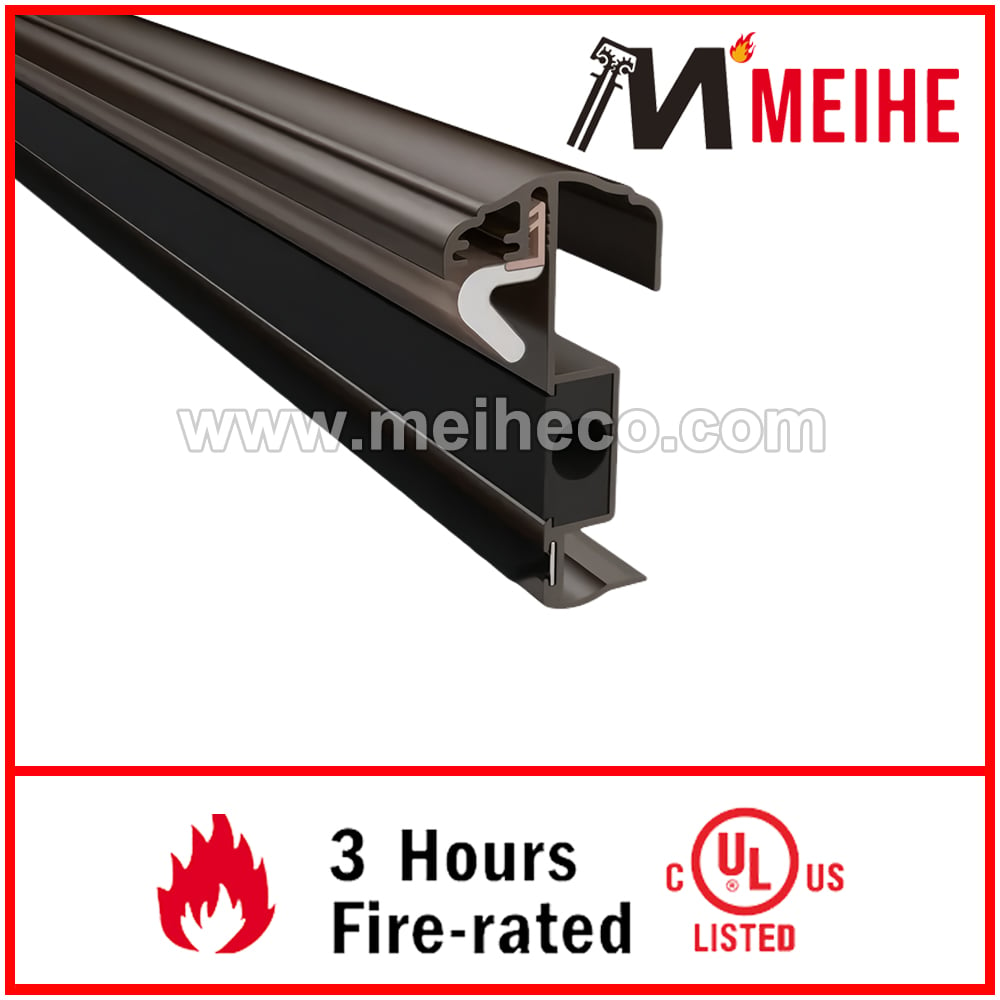
Seasonal temperature fluctuations pose one of the most overlooked challenges in industrial door and window design. As materials expand and contract throughout the year, the precise fit of an astragal—the vertical seal or gasket that bridges the gap between two sliding or hinged door panels—becomes critically vulnerable to misalignment and performance degradation. Understanding how seasonal expansion impacts astragal fit is essential for facility managers, engineers, and installation professionals who depend on reliable perimeter sealing systems to maintain thermal efficiency, sound isolation, and weatherproofing across diverse climates.
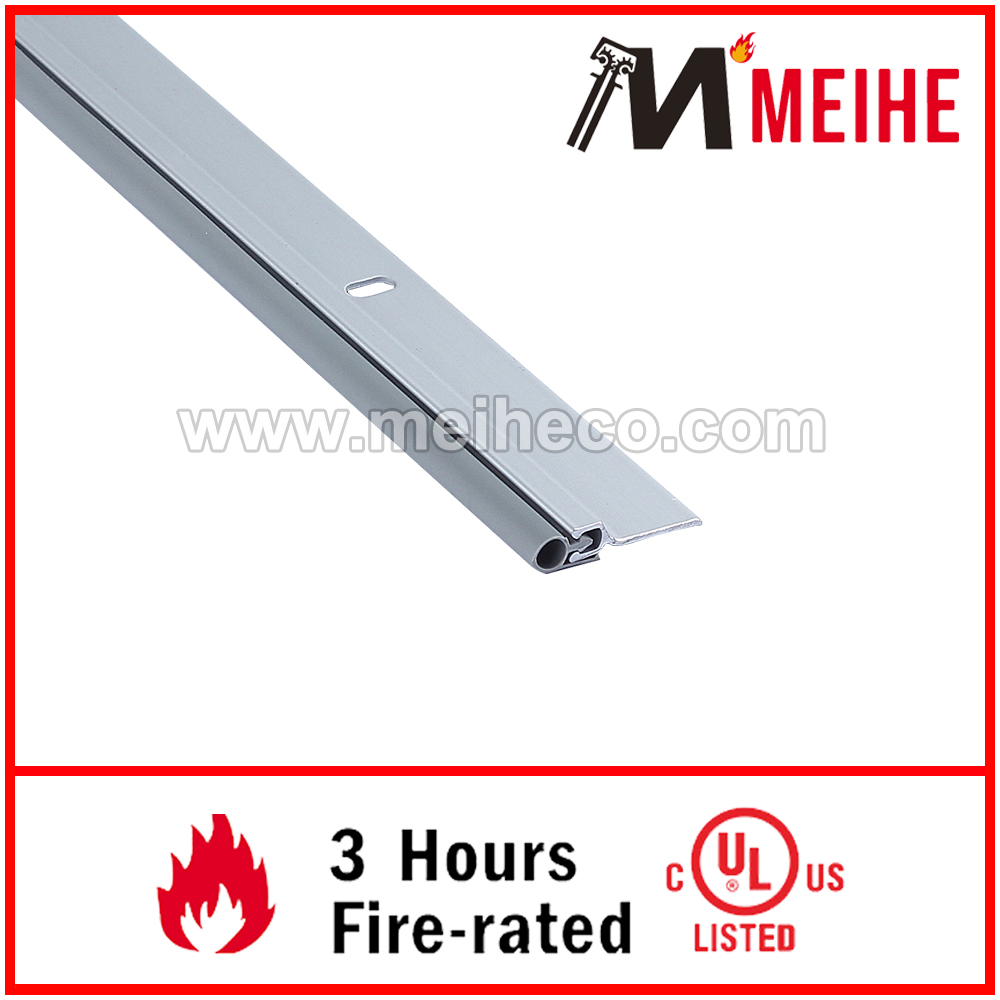
The relationship between temperature and astragal performance extends far beyond simple material contraction. When an astragal experiences thermal stress, the integrity of the seal degrades, leading to air infiltration, moisture ingress, and increased energy costs. This guide explores the physical mechanisms of seasonal expansion, its direct impact on astragal fit tolerance, and practical strategies to maintain seal performance year-round.
How Seasonal Expansion Affects Astragal Performance
Thermal Expansion and Material Behavior
Every material expands when heated and contracts when cooled. The coefficient of thermal expansion varies significantly by material type. Aluminum astragal frames expand at approximately 23 micrometers per meter per degree Celsius, while rubber gasket components expand at different rates depending on composition. When an astragal is installed in summer heat, it occupies maximum space within its frame. As winter arrives and temperatures drop, the astragal contracts, creating gaps that compromise the seal between door panels. Conversely, spring and summer expansion can cause the astragal to press too tightly against adjacent components, potentially warping the frame or creating binding resistance.
Gap Formation and Seal Breakdown
The most immediate consequence of seasonal expansion on an astragal is gap formation. An astragal designed with minimal tolerance to fit snugly during installation will inevitably develop gaps as seasonal temperature swings occur. These gaps allow unfiltered air passage, defeating the primary purpose of the astragal. In high-performance buildings where acoustic isolation or clean-room standards apply, even a 1-millimeter gap in the astragal can reduce sound attenuation by 5–10 decibels or allow particulate infiltration. The relationship between temperature change and astragal gap size is linear and predictable, making this a calculable engineering challenge rather than an unpredictable failure mode.
Installation and Design Strategies for Astragal Stability
Proper Tolerance and Clearance Design
The foundation of astragal durability begins at the design stage. Engineers must specify astragal fits with seasonal expansion fully accounted for. Rather than designing an astragal to fit perfectly at average ambient temperature, the design should assume the worst-case seasonal scenario. This means calculating the maximum contraction in winter and the maximum expansion in summer, then sizing the astragal frame and gasket to maintain acceptable compression force across this entire range. Modern astragal specifications typically recommend 3–5 millimeters of design clearance to accommodate ±3 percent material movement across a 60-degree Celsius seasonal temperature range. This seemingly large tolerance is actually the minimum necessary to prevent performance failure of the astragal.
Gasket Compression and Force Management
The gasket component of an astragal must maintain consistent compression force regardless of seasonal temperature swings. When thermal contraction reduces compression, the seal fails. When thermal expansion increases compression beyond design limits, the gasket may extrude or harden, losing flexibility. A properly engineered astragal balances these competing demands by using gasket materials with low durometer hardness (typically Shore A 40–50 for rubber compounds) that remain pliable across temperature ranges from −20 to +60 degrees Celsius. The astragal frame itself must be rigid enough to resist flexing from wind loads or door operation while still accommodating the differential expansion between the frame and the gasket material. Professional astragal installation requires compression verification at installation, with follow-up measurement after the first full seasonal cycle to ensure the astragal maintains acceptable compression.
Monitoring and Maintenance for Seasonal Astragal Performance
Seasonal Inspection Protocols
Effective astragal maintenance begins with seasonal inspection before peak heating and cooling seasons. In autumn, before winter contraction occurs, inspect the astragal for visible gaps or separation from the door frame. In spring, after maximum winter contraction, measure gasket compression and check for hardening or cracking in the rubber component. This inspection timing allows corrective action before peak demand seasons when seal failure impacts occupant comfort and operational efficiency. Many facilities neglect seasonal astragal inspection, treating the seal as a one-time installation detail rather than a component requiring active maintenance. Buildings in regions with temperature swings exceeding 40 degrees Celsius should implement quarterly astragal inspection and pressure testing to catch performance degradation early.
Adjustment and Replacement Strategies
When seasonal expansion testing reveals astragal performance decline, several corrective options exist. Minor gasket hardening can often be addressed by applying silicone-based lubricants specifically formulated for astragal rubber components, which restore pliability without damaging the seal. If compression has fallen below acceptable thresholds, shim adjustment or gasket replacement may be necessary. Complete astragal replacement becomes required when thermal cycling has caused permanent deformation or when the original astragal design proves inadequate for local climate conditions. Professional astragal service providers can measure residual compression force using specialized gauges and recommend replacement intervals based on degradation rates. Budgeting for astragal replacement every 7–10 years in high-cycling climate regions prevents unexpected seal failures and maintains building envelope integrity.
FAQ
How much movement should I expect in an astragal due to seasonal temperature changes?
Aluminum astragal frames typically move 2–4 millimeters per meter of length across a 50-degree Celsius seasonal temperature swing. For a standard 2-meter door astragal, expect 4–8 millimeters of total dimensional change between summer and winter conditions. Rubber gasket components within the astragal may shift an additional 1–2 millimeters due to different thermal properties. These movements are normal and predictable, which is why proper installation clearance and gasket compression design are essential to accommodate this astragal movement without performance loss.
What is the ideal compression force range for an astragal gasket during seasonal extremes?
Professional astragal standards specify that gasket compression should remain between 20 and 50 percent of gasket thickness across seasonal temperature swings. If an astragal gasket measures 10 millimeters in thickness at installation, it should maintain 2–5 millimeters of compression even during maximum winter contraction. Compression below 2 millimeters allows air leakage, while compression above 5 millimeters creates excessive friction and potential gasket extrusion. High-quality astragal systems maintain this compression range through careful material selection and frame design that accounts for seasonal astragal movement.
Can I use the same astragal design in climate zones with different seasonal temperature ranges?
No, astragal designs must be tailored to local climate conditions. An astragal engineered for a temperate zone with 30-degree seasonal swings will fail in a continental climate with 60-degree swings. The astragal specification should explicitly state maximum and minimum operating temperatures and design for the full range expected in the installation region. When relocating door systems to different climates, re-specification of the astragal is mandatory to maintain seal performance across the wider or different seasonal temperature extremes of the new location.